The York County Hex Murder — witchcraft belief killing
York County, Pennsylvania, 1928 — solved
Published June 7, 2026
Case Details
Quick Facts
Classification:
Quick facts
The Case
The York County Hex Murder was the 1928 killing of Nelson Rehmeyer, a Pennsylvania farmer and practitioner of powwow folk magic, by three men who believed he had placed a curse upon them. On November 27, 1928, John Blymire, John Curry, and Wilbert Hess traveled to Rehmeyer's isolated home in Rehmeyer's Hollow in North Hopewell Township, York County, Pennsylvania, seeking to force him to surrender his powwow spell book—a copy of the Long Lost Friend—and a lock of his hair, which they believed would break the hex. When Rehmeyer refused, the encounter turned violent, ending in his death and the burning of his body. The case became a national sensation, exposing the persistence of folk magic beliefs in rural Pennsylvania and raising questions about superstition, mental state, and criminal culpability in American jurisprudence.
The Crime
John Blymire, the ringleader of the group, came from a family of powwow practitioners and had become convinced that various misfortunes in his life—including illness and economic hardship—were the result of a hex placed upon him by Nelson Rehmeyer. Seeking guidance, Blymire consulted with local powwow practitioners who allegedly confirmed his suspicions and told him that to break the curse, he would need to obtain Rehmeyer's copy of the Long Lost Friend spell book and a lock of the man's hair, which would then need to be buried.
On the evening of November 27, 1928, Blymire recruited two younger accomplices, John Curry and Wilbert Hess, to accompany him to Rehmeyer's remote farmhouse in what locals knew as Rehmeyer's Hollow, near Stewartstown. The three men confronted Rehmeyer in his home and demanded he hand over his spell book and permit them to cut a lock of his hair. When Rehmeyer refused and resisted, a violent struggle ensued. The attackers beat and choked the farmer, then bound him with rope. In an effort to both destroy evidence and, according to their beliefs, ensure the curse was lifted, they set Rehmeyer's body on fire before fleeing the scene. The fire damaged but did not completely destroy the house.
Timeline
Nelson Rehmeyer murdered in his home
John Blymire, John Curry and Wilbert Hess attacked Rehmeyer in Rehmeyer's Hollow, beat and strangled him, then set fire to his body in an attempt to break a supposed curse and destroy evidence.
Body discovered by neighbors
Neighbors found Rehmeyer's partially burned body after noticing his livestock had not been fed for two days.
Three suspects arrested
All three perpetrators were quickly arrested after the body was discovered, and the case immediately attracted national media attention due to its connection to superstition about witchcraft.
Trial begins in York County
The three men stood trial charged with murder in York County, Pennsylvania, with their confessions and belief in curses as central elements of the case.
Sentences handed down
Blymire and Curry were convicted of first-degree murder and sentenced to life imprisonment, while Hess was convicted of second-degree murder and given a sentence of 10 to 20 years.
The Victim
Nelson Rehmeyer was a farmer living in the isolated area that would later bear his family's name—Rehmeyer's Hollow. He was known in the community as a practitioner of powwow, a system of Pennsylvania Dutch folk magic that blended Christian prayer, herbalism, and ritual to heal illness, protect against harm, and influence events. Powwow practitioners, sometimes called "hex doctors" or "powwowers," occupied an ambiguous position in rural Pennsylvania communities: respected by some as healers and spiritual guides, feared by others as potential sources of curses and malevolent magic.
Rehmeyer lived alone in his farmhouse, which sat in a secluded hollow accessible only by rough country roads. His isolation, combined with his reputation as a powwow practitioner, made him a figure of both respect and suspicion among his neighbors. The fact that he possessed a copy of The Long Lost Friend—a well-known grimoire of powwow spells and rituals—was apparently common knowledge, and this book became the focal point of Blymire's obsession.
Investigation
Rehmeyer's body was discovered on November 29, 1928, two days after the murder, when neighbors noticed that his farm animals had not been fed and went to investigate. They found the partially burned corpse inside the damaged house, along with clear signs of a violent struggle. Local law enforcement was immediately called to the scene, and the investigation quickly focused on the unusual circumstances of the crime.
The three perpetrators were apprehended soon after the body's discovery. Their confessions revealed the witchcraft motive behind the killing, transforming what might have been a routine murder investigation into a national media spectacle. The men admitted they had gone to Rehmeyer's home specifically to obtain his spell book and hair in order to break what they believed was a genuine supernatural curse. The case attracted journalists from across the United States, fascinated by the revelation that belief in witchcraft and hexes remained strong enough in 1920s America to motivate murder.
Physical evidence recovered from the scene included the rope used to bind Rehmeyer, signs of the assault, and the partially burned body. The fact that the fire had not fully consumed the house or destroyed all evidence proved crucial to establishing the sequence of events and contradicting any claims that Rehmeyer's death had been accidental.
Trial and Verdict
The trial of John Blymire, John Curry, and Wilbert Hess began in January 1929 in York County, Pennsylvania. The prosecution presented the confessions of the three defendants, along with physical evidence from the crime scene, to argue that the men had committed premeditated murder. The defense did not seriously contest the facts of the killing but instead sought to contextualize the defendants' actions within their genuine belief in powwow magic and hexes, potentially suggesting diminished capacity or reduced culpability.
The court, however, rejected any notion that sincere belief in witchcraft could excuse or mitigate the crime of murder. The jury found John Blymire and John Curry guilty of first-degree murder, and both men were sentenced to life imprisonment. Wilbert Hess, who was younger and apparently played a lesser role in the violence, was convicted of second-degree murder and received a sentence of 10 to 20 years in prison.
The verdicts affirmed that the American legal system would not recognize supernatural beliefs as a defense for violent crime, regardless of how sincerely held those beliefs might be. The case became a landmark in the intersection of folk culture, mental state, and criminal law.
Today
The York County Hex Murder remains one of the most unusual cases in American criminal history, a vivid illustration of how traditional folk beliefs persisted in rural communities well into the twentieth century. All three convicted men were eventually released on parole after serving portions of their sentences, though specific release dates are not consistently documented in available sources.
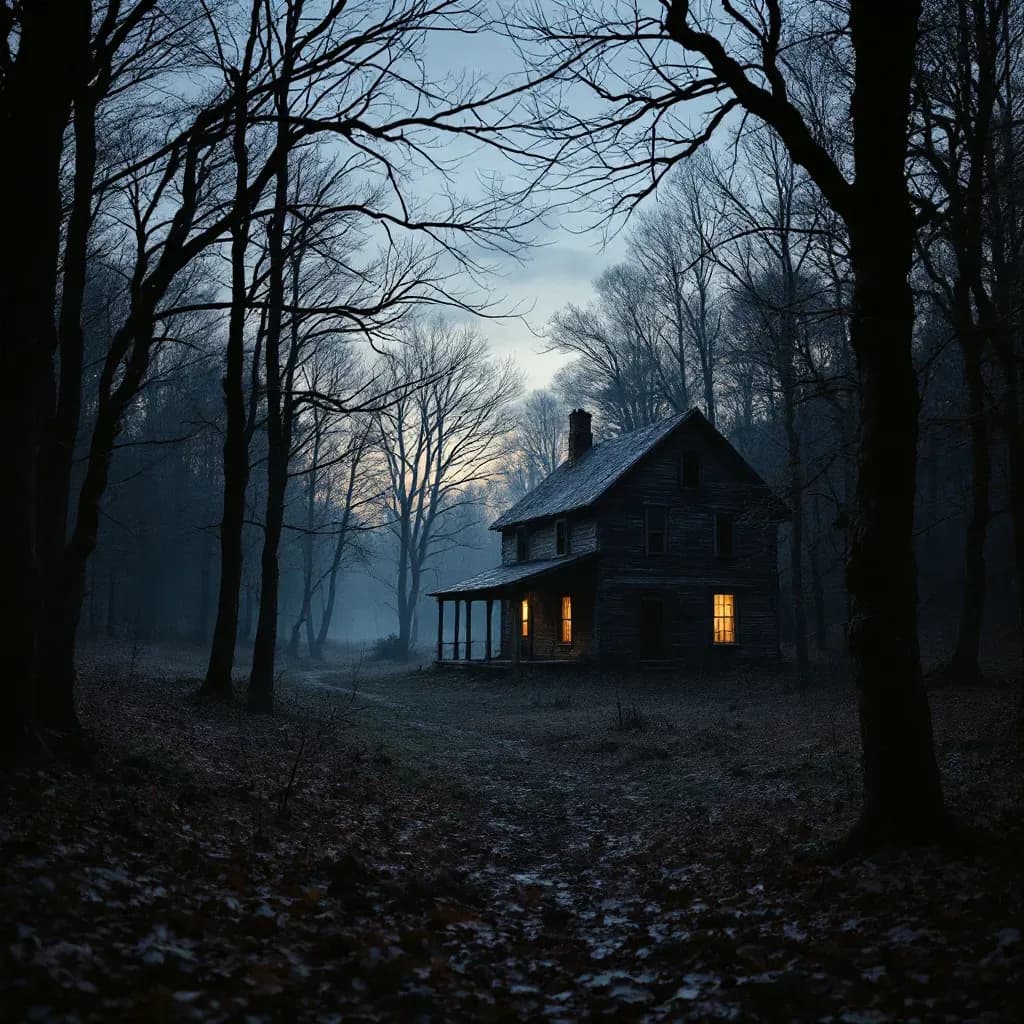
Rehmeyer's Hollow, the isolated location where the murder took place, has become something of a local legend in York County. The Rehmeyer house, though damaged by the fire set during the murder, was not completely destroyed and stood for many years afterward, becoming a destination for curious visitors and amateur ghost hunters drawn by the property's dark history.
The case has been the subject of ongoing cultural fascination. In 2015, the documentary *Hex Hollow: Witchcraft and Murder in Pennsylvania* examined the crime in detail, exploring both the historical facts and the broader context of powwow practices in Pennsylvania Dutch communities. York County Libraries has also produced educational content about the murder, recognizing it as a significant event in local history. The case has been featured in numerous true crime podcasts, books, and online discussions, cementing its status as one of America's most bizarre murder cases.
The Hex Murder raises enduring questions about belief, superstition, and criminal responsibility. While powwow as a folk practice has largely faded from Pennsylvania Dutch communities, the case serves as a reminder of how deeply supernatural worldviews once shaped everyday life in rural America, and how the collision between those traditional beliefs and modern legal standards could produce tragic results. The story of Nelson Rehmeyer's death remains a cautionary tale about the dangerous potential of superstition when combined with desperation, ignorance, and violence.
Media coverage
TV series
- Hex Hollow: Witchcraft and Murder in Pennsylvania(2026)
Ask about this case
Answers from KrimiNyt's coverage onlyFollow this case
Get an email when a new documentary, podcast or book about The York County Hex Murder — witchcraft belief killing appears, or when a verdict is reached.