The Tupac and Biggie Murders — Hip-Hop's Unsolved Drive-Bys
Las Vegas and Los Angeles, 1996–1997 — both cases officially unsolved
Published June 2, 2026
Quick Facts
The Case
The Tupac and Biggie murders are two officially unsolved American homicide cases involving the drive-by shootings of two of hip-hop's most influential artists within six months of each other. Tupac Amaru Shakur was killed in Las Vegas in September 1996, and Christopher George Latore Wallace — The Notorious B.I.G. — was killed in Los Angeles in March 1997. Despite decades of investigation, neither case has produced a homicide conviction, though former LAPD detective Greg Kading has publicly identified the alleged shooters and a retaliation plot linking the two killings.
The Crime
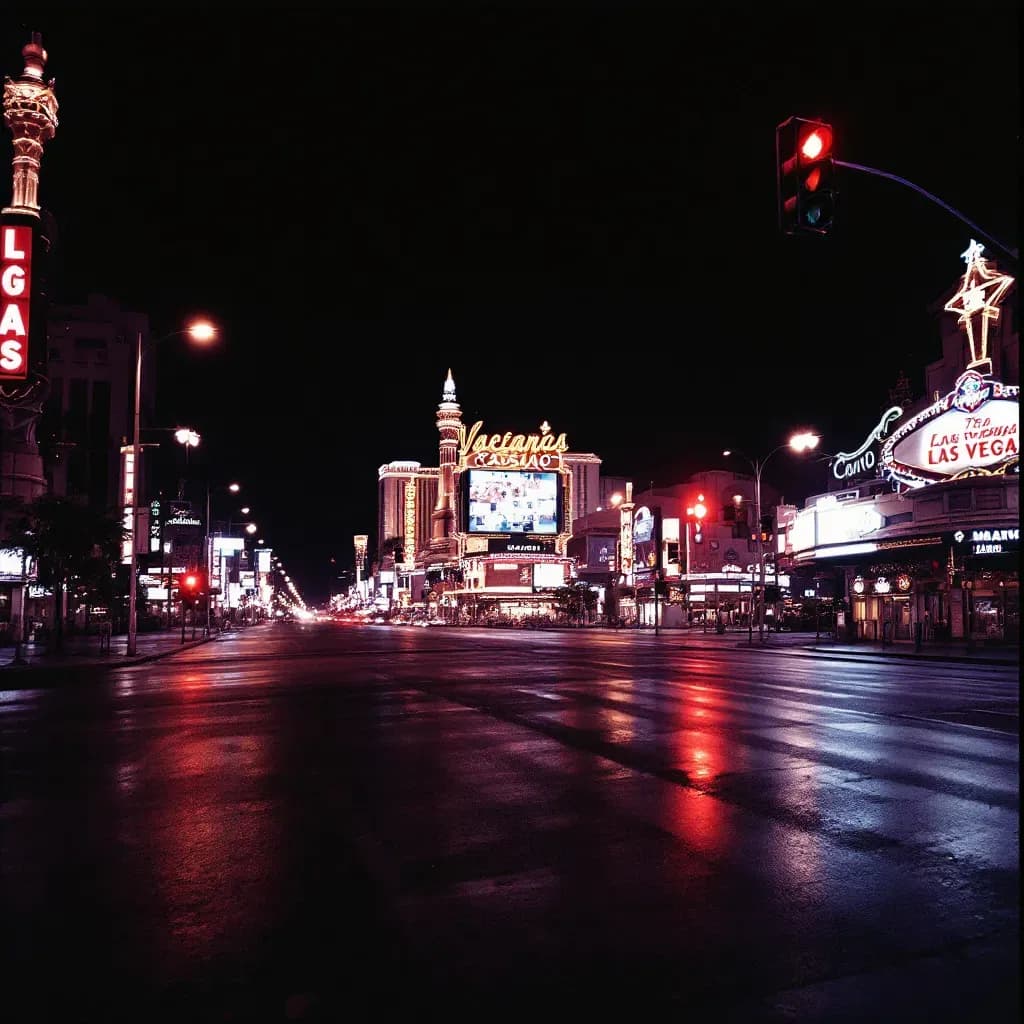
On the night of September 7, 1996, Tupac Shakur attended the Mike Tyson–Bruce Seldon fight at the MGM Grand in Las Vegas with Death Row Records CEO Suge Knight. After the fight, Tupac and members of his entourage were involved in a violent altercation with Orlando Anderson, a South Side Compton Crip, in the casino lobby. Hours later, as Knight drove Tupac in a black BMW down the Las Vegas Strip, a white Cadillac pulled up alongside them at a red light near Flamingo Road. A gunman opened fire, striking Tupac four times. He was rushed to University Medical Center and died six days later, on September 13, 1996.
Six months later, on March 9, 1997, Biggie was in Los Angeles to attend the Soul Train Music Awards and promote his upcoming album. After leaving an after-party at the Petersen Automotive Museum, his Chevy Suburban stopped at a red light on Wilshire Boulevard. A dark sedan pulled alongside, and a gunman fired multiple rounds into the passenger side. Wallace was struck four times and pronounced dead at Cedars-Sinai Medical Center shortly after arrival.
Timeline
Tupac Shakur shot in Las Vegas
On September 7, 1996, at 11:15 p.m., Tupac Shakur (25) is hit by shots fired from a passing car at the intersection of East Flamingo Road and Koval Lane in Paradise, Nevada.
Tupac Shakur dies
Six days after the shooting, Tupac Amaru Shakur dies on September 13, 1996, from the injuries he sustained in the attack on September 7.
The Notorious B.I.G. killed in Los Angeles
Christopher George Latore Wallace (The Notorious B.I.G.) is killed in a drive-by shooting in Los Angeles, California, on March 9, 1997. The case remains officially unsolved.
Suspect Orlando Anderson dies
Orlando Anderson, who was a suspect in the Tupac case but was never charged, dies in 1998. He never faced trial in connection with the murder.
Duane 'Keffe D' Davis arrested and indicted
A grand jury in Nevada indicts Duane Keith 'Keffe D' Davis in connection with the murder of Tupac Shakur. Davis pleads not guilty. He is indicted, not convicted.
Judge rules 2008 police interview admissible
In 2026, a judge in Clark County, Nevada, rules that a 2008 police interview with Davis may be used as evidence in the trial against him.
The Victims
Tupac Amaru Shakur was 25 years old at the time of his death. A platinum-selling rapper, actor, and poet, he had already released some of the most critically acclaimed albums in hip-hop history, including Me Against the World and All Eyez on Me. He was signed to Death Row Records at the time of his murder.
Christopher Wallace, known as The Notorious B.I.G. or Biggie Smalls, was 24 years old. A Brooklyn-born rapper signed to Bad Boy Records under Sean 'Puffy' Combs, he was widely regarded as one of the greatest lyricists of his generation. His debut album Ready to Die had transformed East Coast hip-hop, and his second album Life After Death was released just sixteen days after his murder.
Investigation
The Las Vegas Metropolitan Police Department's initial investigation into Tupac's killing was hampered by uncooperative witnesses, including Suge Knight himself. Orlando Anderson was questioned but never charged before being killed in an unrelated Compton gang shooting in May 1998.
The LAPD's investigation into Biggie's murder went through multiple iterations, including a task force led by Detective Greg Kading beginning in 2006. According to Kading's account, detailed in his book Murder Rap and a lengthy investigative interview, Duane 'Keefe D' Davis — Orlando Anderson's uncle — provided a recorded proffer statement in which he described being in the Cadillac the night Tupac was shot and named Anderson as the shooter. Kading further alleged that Suge Knight had paid Wardell 'Poochie' Fouse, a Mob Piru Blood, to kill Biggie in retaliation.
Kading's findings have been presented in extensive video documentation, but both Anderson and Fouse were killed before they could be charged, and Kading was removed from the task force before bringing a case.
Trial and Verdict
No one has ever been convicted of either murder. For more than 25 years, both cases remained officially unsolved. In September 2023, Las Vegas police arrested Duane 'Keefe D' Davis and charged him with murder in Tupac's killing — the first and only arrest in either case. As of the most recent verified reporting, that prosecution remains ongoing. No charges have ever been filed in the Biggie Smalls homicide.
Today
The Tupac and Biggie murders remain among the most analyzed unsolved homicides in American popular culture. The cases have inspired countless documentaries, books, and podcasts, and continue to fuel debate about the East Coast–West Coast hip-hop rivalry, the role of Death Row and Bad Boy Records, and alleged law-enforcement failures or cover-ups. Greg Kading's investigation provides the most detailed publicly available theory tying the two killings together as a single retaliation chain, but in the absence of completed prosecutions, the official status of both cases remains unsolved.
Media coverage
TV series
- Last Man Standing: Suge Knight and the Murders of Biggie & Tupac(2026)
- Who Killed Biggie and Tupac?(2026)
- The Life & Death of Tupac Shakur(2026)
Ask about this case
Answers from KrimiNyt's coverage onlyFollow this case
Get an email when a new documentary, podcast or book about The Tupac and Biggie Murders — Hip-Hop's Unsolved Drive-Bys appears, or when a verdict is reached.