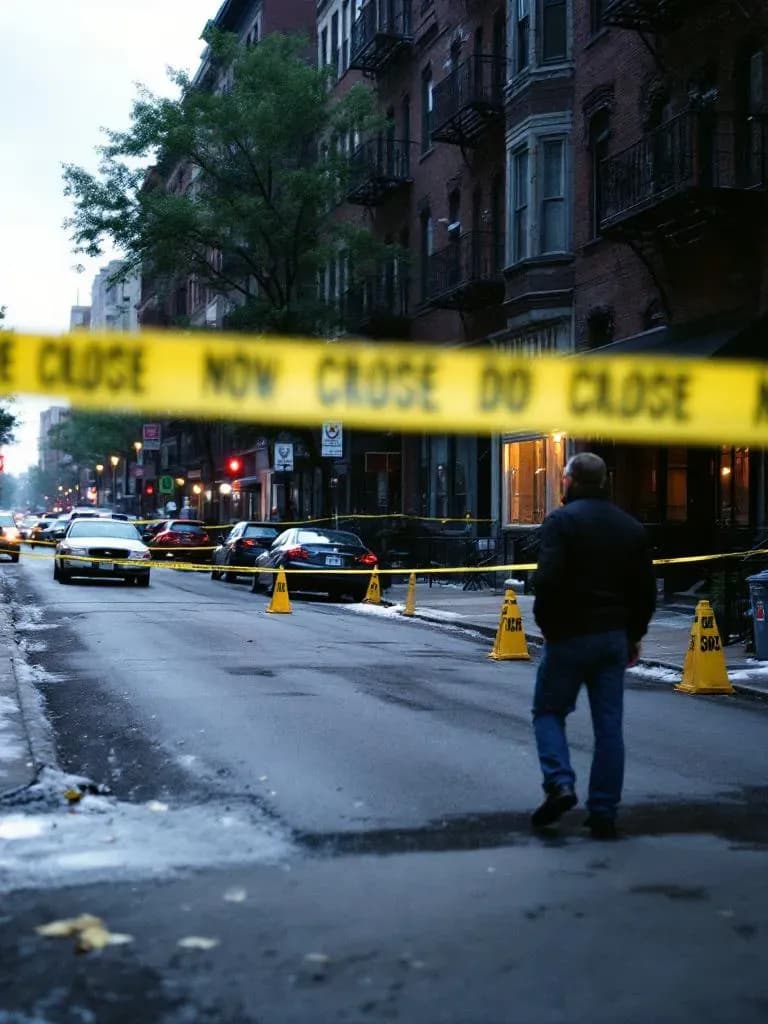
The Chicago Tylenol Murders — Unsolved 1982 Poisonings
Chicago metropolitan area, 1982 — unsolved mass poisoning that killed at least seven people
Published June 2, 2026
Quick Facts
The Case
The Chicago Tylenol Murders are an unsolved American mass-poisoning case from the autumn of 1982, in which an unknown perpetrator laced Extra Strength Tylenol capsules with potassium cyanide and returned the bottles to store shelves in the Chicago metropolitan area. At least seven people died, the killings triggered one of the largest consumer product recalls in U.S. history, and despite decades of investigation no one has ever been convicted of the murders themselves. The only person ever imprisoned in connection with the case, James William Lewis, served time for an extortion attempt tied to the killings, not for the poisonings.
The Crime
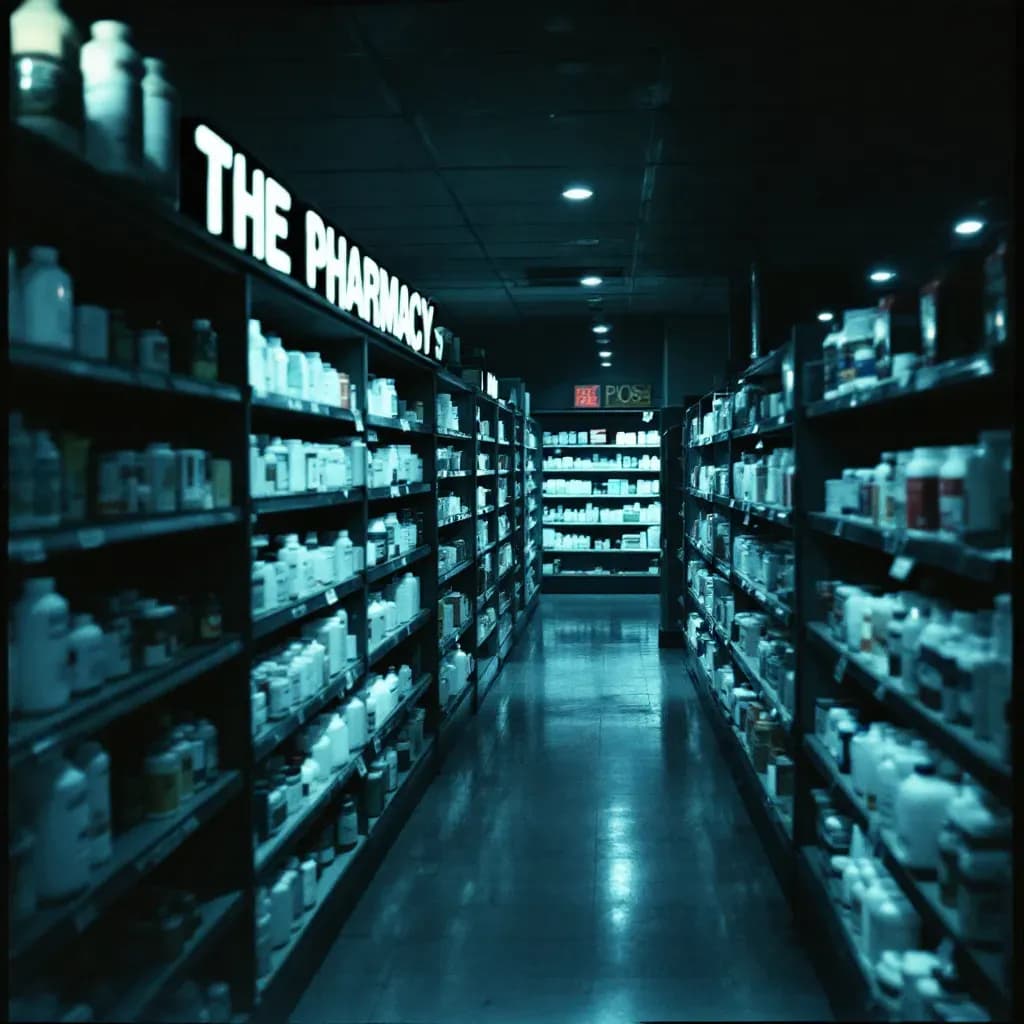
In late September 1982, customers across the Chicago area bought Extra Strength Tylenol capsules that looked entirely ordinary but had been opened and refilled with a lethal dose of potassium cyanide. According to research summarized by EBSCO's case overview, some capsules contained roughly 65 milligrams of cyanide, many times the fatal dose. Victims collapsed within minutes of taking what they believed was a routine over-the-counter painkiller.
Investigators quickly concluded that the contaminated bottles had not been tampered with at the factory. Bottles from different production lots turned up in different stores across the metropolitan area, suggesting that the killer had bought or stolen Tylenol from retailers, poisoned the capsules at another location, and then returned the bottles to shelves at multiple pharmacies and supermarkets. The modus operandi — anonymous, indiscriminate, and aimed at the general public — is what made the case so terrifying and so difficult to solve.
Timeline
First deaths confirmed in Chicago area
Authorities register the first deaths in late September 1982. The victims had all taken Extra-Strength Tylenol capsules laced with potassium cyanide.
Seven victims identified in Chicago suburbs
The seven deceased – including Mary Kellerman (12) and Adam Janus (27) – lived in Elk Grove Village, Arlington Heights, Lisle, Winfield, Elmhurst and Chicago.
Johnson & Johnson recalls Tylenol nationwide
In response to the poisonings, Johnson & Johnson launches a massive product recall from stores across the US – a decision unprecedented in its scale.
James W. Lewis sends extortion letter to Johnson & Johnson
Lewis demands one million dollars in a letter to Johnson & Johnson and claims responsibility for the poisonings in the letter. The letter makes him the most high-profile suspect.
James W. Lewis dies without charges for the Tylenol murders
Lewis, who had been convicted of extortion but never indicted for the murders themselves, dies in 2023. The case remains unsolved.
The Victims
The first confirmed victim was twelve-year-old Mary Kellerman of Elk Grove Village, Illinois, who died on the morning of September 28, 1982, after her parents gave her a Tylenol capsule for a cold. Within hours, 27-year-old postal worker Adam Janus died in Arlington Heights. When his family gathered at his home to grieve, his younger brother Stanley Janus, 25, and Stanley's wife Theresa took capsules from the same bottle and also collapsed; both died shortly afterwards. Additional victims in the Chicago area brought the widely cited death toll to seven, as detailed in the WTTW Chicago Stories overview of the case.
The victims had nothing in common beyond their geography and the fact that they had recently purchased Extra Strength Tylenol. The randomness of the killings is part of what shaped the public response and the lasting fear the case generated.
Investigation
Once a nurse and off-duty firefighters made the connection between the deaths and Tylenol, authorities issued urgent public warnings, and Johnson & Johnson pulled roughly 31 million bottles from shelves nationwide. Investigators from local police, the Illinois state authorities, the FBI and the FDA pursued thousands of leads.
The most prominent suspect was James William Lewis, a New York man who mailed Johnson & Johnson a letter demanding $1 million to "stop the killing." Lewis was tracked down, charged and ultimately sent to federal prison for the extortion attempt, serving about 13 years. He always denied being the poisoner, although he later offered investigators a detailed description of how the killer might have operated. The FBI revisited the case in 2009, searching Lewis's home in Massachusetts, but no charges for the murders followed. A long-running podcast investigation has examined both Lewis's role and other theories in detail.
Trial and Verdict
There has never been a trial for the Tylenol murders themselves. No suspect has been charged with the homicides, and the case officially remains unsolved. James Lewis was convicted only of extortion. Civil litigation and regulatory action against Johnson & Johnson focused on product safety and recall procedures rather than identifying the killer. Lewis died in July 2023 without ever being charged in connection with the deaths.
Today
More than four decades on, the Chicago Tylenol Murders remain a defining unsolved case in American criminal history. They directly led to the introduction of tamper-evident packaging on over-the-counter medication and to federal anti-tampering legislation, changes still visible in the foil seals and shrink-wrapped caps on household medicine cabinets. The Chicago History Museum, WTTW and several podcast and YouTube documentary productions have continued to revisit the evidence, interview surviving relatives and press for answers. For the families of Mary Kellerman, the Janus brothers and the other victims, the case is still open — a reminder that one of the most consequential product-tampering crimes in modern history has never been formally solved.
Ask about this case
Answers from KrimiNyt's coverage onlyFollow this case
Get an email when a new documentary, podcast or book about The Chicago Tylenol Murders — Unsolved 1982 Poisonings appears, or when a verdict is reached.