The Axeman of New Orleans: America's Unsolved Serial Killer
He struck with an axe, demanded jazz to spare lives, then vanished — and was never identified
Published June 6, 2025
Case Details
Quick Facts
Classification:
Quick facts
May 1918: A new serial killer emerges in New Orleans
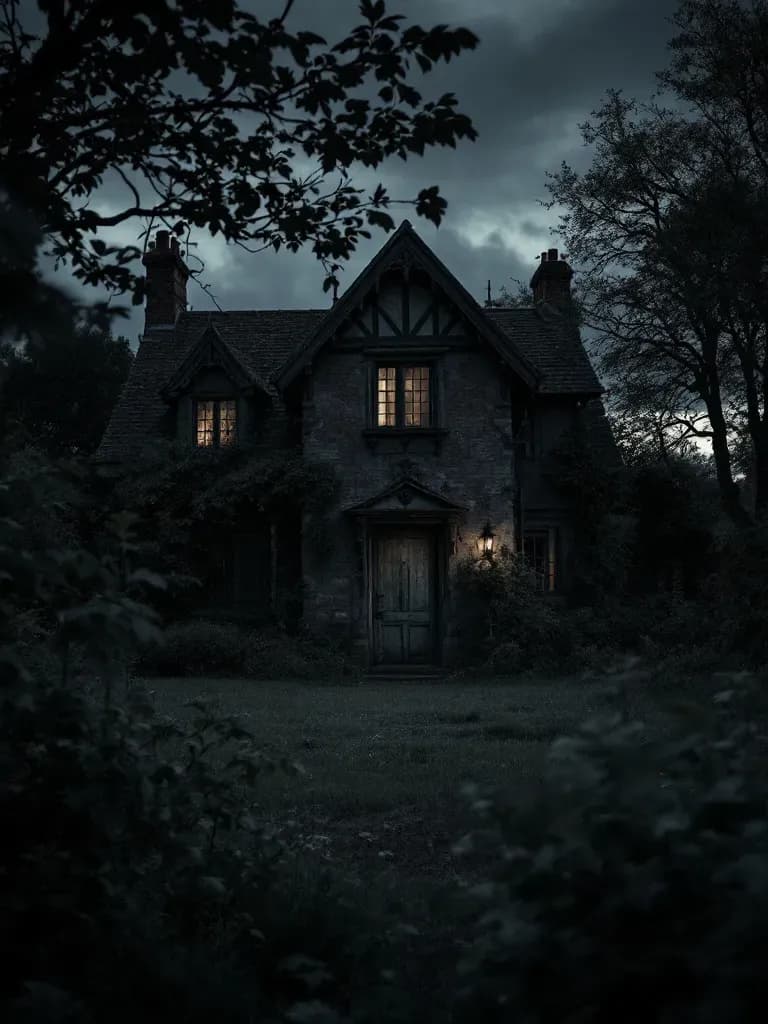
Beginning in May 1918, a series of brutal attacks shook New Orleans, Louisiana, revealing the presence of a new and terrifying serial killer: the Axeman of New Orleans. From the spring of 1918 through the fall of 1919, this killer spread death and fear across a city already famous for its vibrant jazz culture. His method was chillingly consistent — breaking into homes, often by removing a panel from the back door, and attacking victims with an axe, typically one found in the victims' own home. Motives remained a mystery to both police and the public, with theories ranging from ethnic hatred and possible sexual sadism to a bizarre obsession with music. To this day, the case remains unsolved.
May 23, 1918: The Maggio couple — the first victims
The first known attack occurred on the night of May 23, 1918, when Italian immigrant and grocer Joseph Maggio and his wife Catherine were brutally murdered in their home. Joseph was attacked with a straight razor, while Catherine suffered multiple axe blows. Police found a bloody axe at the scene — one that belonged to the household. There was no sign of robbery, establishing a disturbing pattern: the attacks appeared motivated purely by a desire to kill. Joseph's brother, Andrew Maggio, was briefly suspected, but as further attacks followed, suspicion against him and other family members was dropped.
Attacks and panic: From Besumer to the murder of Joseph Romano
The attacks continued in the months that followed. On June 27, 1918, grocer Louis Besumer and his companion Harriet Lowe survived a similar assault. While recovering in hospital, Lowe made the extraordinary claim that Besumer was a German spy — a groundless accusation that illustrated the mounting panic gripping New Orleans. Besumer was briefly arrested but quickly released.
Timeline
First victim couple: Joseph and Catherine Maggio
The Italian couple Maggio are brutally murdered in their home at night. Joseph is attacked with a straight razor, Catherine is killed with an axe. The bloody murder weapon came from the victims' own household.
Attack on Louis Besumer and Anna Lowe
Grocer Louis Besumer and his girlfriend Anna Lowe survive an attack. At the hospital, Lowe baselessly accuses Besumer of being a German spy - a sign of the growing panic in the city.
Murder of Joseph Romano
71-year-old Joseph Romano is fatally wounded in his bed. His nieces describe the perpetrator as a heavy, dark man. A bloody axe is found in the garden.
The Axeman's 'letter from hell'
Newspapers receive a letter from the suspected Axeman, who calls himself a 'demon from hell' and promises to spare anyone playing jazz on March 19 from 11:45 pm.
Jazz night in New Orleans
The whole city plays jazz to comply with the Axeman's ultimatum. The night passes without new attacks, reinforcing the legend of the mysterious killer.
End of the murder series
After October 1919, the attacks stop abruptly. The identity of the Axeman of New Orleans remains unsolved to this day. The case is never solved.
On August 10, 1918, 71-year-old Joseph Romano was attacked in his bed. His nieces found him fatally wounded. A bloody axe lay in the garden, and one of the nieces described the attacker as a "heavy, dark man in a dark suit" — consistent with the sparse witness accounts from other incidents.
The fact that many victims were of Italian descent fueled theories about ethnic hatred as a possible motive. Later criminologists have noted that the Axeman appeared to target women as primary victims, killing men only when they stood in the way — a detail that has led some to suggest sexual sadism or other sexual motivations, though nothing was ever confirmed.
March 1919: The "Letter from Hell" and the jazz ultimatum
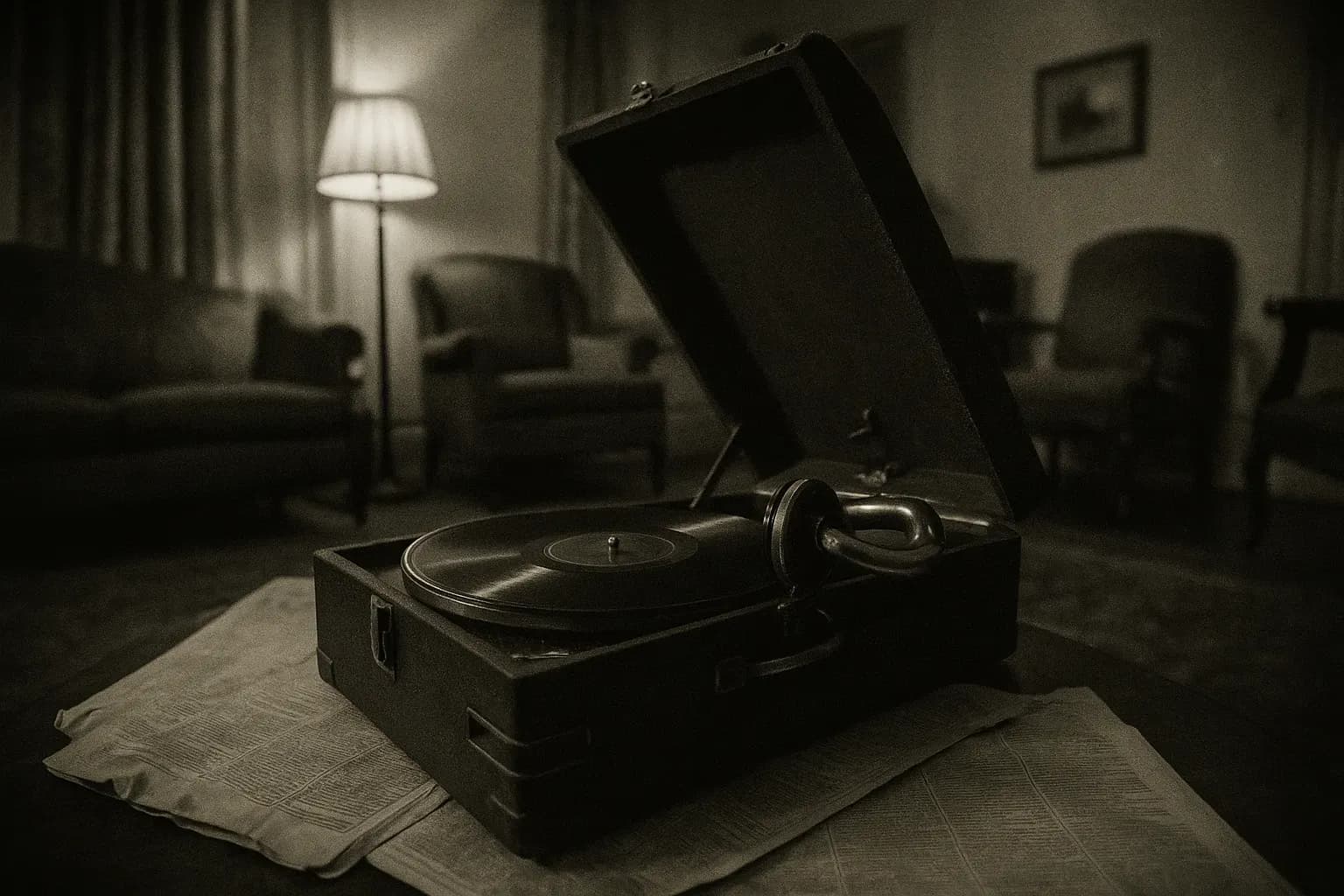
The case took its most extraordinary turn in March 1919, when several newspapers received letters allegedly written by the Axeman himself. In a letter dated March 13, 1919, the sender described himself as "a demon from hell" and promised to spare anyone who had jazz playing in their home or at a venue on the night of March 19, beginning at 11:45 p.m.
The result was a city-wide jazz frenzy — one of the most surreal episodes in American criminal history. Whether the letters were genuine remains debated by true crime experts to this day. Regardless of their authenticity, the letter cemented the Axeman's place in New Orleans true crime history as an enduring and unsolved mystery.
After the jazz night: The final attacks of 1919
The attacks did not stop after the letter. In March 1919, the Axeman struck the Cortimiglia family in Gretna, a suburb of New Orleans across the Mississippi River. Charlie and Rosie Cortimiglia survived with serious injuries, but their two-year-old daughter did not. The killing of a child marked a disturbing escalation in an already terrifying serial killer case.
The last known attack attributed to the Axeman took place on October 27, 1919, targeting grocer Mike Pepitone. His widow heard a commotion and glimpsed a figure fleeing, but was unable to provide a useful description. Mike Pepitone was killed instantly.
The endless hunt: Theories and suspects
Despite an intense police investigation, the Axeman of New Orleans was never caught or definitively identified. Theories put forward over the years included ethnic hatred directed at Italian immigrants, sexual sadism, a bizarre promotion of jazz, and even speculation about mafia involvement in murder cases. None were ever proven. One of the survivors, Louis Besumer, was himself killed in 1931, but no evidence conclusively tied him to the Axeman murders.
The aftermath: Fear and unresolved trauma in New Orleans
The Axeman's brief but brutal reign left deep scars on New Orleans, particularly among its Italian immigrant community. Fear was so intense that men organized neighborhood watch patrols and some families left the city entirely. The human cost — shattered families and survivors carrying lifelong trauma — was enormous.
The case continues to fascinate and illustrates how an unsolved mystery can become an indelible part of a city's identity. The Axeman of New Orleans stands as a symbol of irrational fear and a grim reminder that some of history's darkest crimes are never solved.
Ask about this case
Answers from KrimiNyt's coverage onlyFollow this case
Get an email when a new documentary, podcast or book about The Axeman of New Orleans: America's Unsolved Serial Killer appears, or when a verdict is reached.