Marion Parker: The 1927 Kidnapping That Shocked America
How a 12-year-old girl's murder by a disgruntled ex-employee became one of the decade's most brutal crimes
Published June 6, 2025
Case Details
Quick Facts
Classification:
Quick facts
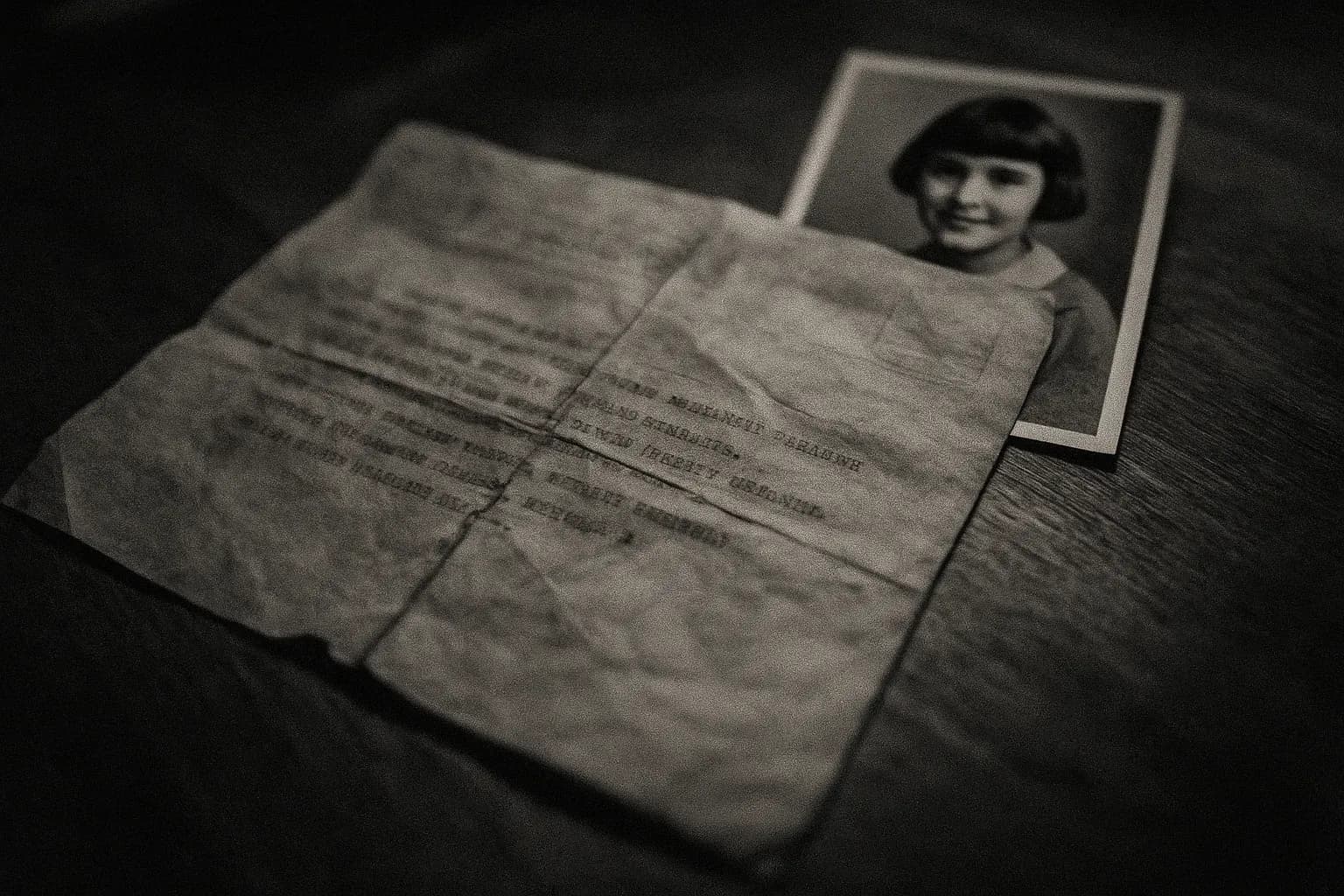
On the afternoon of December 15, 1927, a man entered a Los Angeles junior high school with a calculated lie. He claimed that Perry Parker, a prominent banker at the Los Angeles First National Trust and Savings Bank, had been in a serious accident. When asked to identify which Parker daughter he needed to collect, he specified Marion by name—a detail that would later prove crucial, as Marion had an identical twin sister, Marjorie.
The school officials, reassured by his knowledge of the family, released Marion into his custody. The girl had no idea she was walking toward her death.
That man was William Edward Hickman, a 19-year-old with a criminal history and a vendetta. Hickman had previously worked as an employee at Perry Parker's bank but was fired for forging a check. Earlier in 1927, after Parker testified against him in court, Hickman served time for the offense. The kidnapping was no random act—it was calculated revenge wrapped in a ransom scheme.
Timeline
Birth of Marion Parker
Frances Marion Parker is born in Sebastian County, Arkansas.
Pharmacy robbery
William Hickman is involved in a robbery in which C. Ivy Toms is killed.
Kidnapping
12-year-old Marion Parker is kidnapped by William Edward Hickman in Los Angeles.
Ransom handover and death
During the ransom handover, it becomes clear that Marion has already been murdered. Her mutilated body is found.
Arrest of the perpetrator
William Edward Hickman is arrested in Echo, Oregon.
Execution
Hickman is executed by hanging at San Quentin prison.
The first ransom demand arrived on December 16, via cryptic letters and telegrams. Hickman wanted $1,500 in gold. A third telegram came the following morning, containing additional details to prove he held Marion and would carry out his threat.
Perry Parker faced an impossible choice: pay the ransom or risk his daughter's life. On December 17, 1927, he delivered the $1,500 in gold as instructed. Hickman took the money, then dumped Marion's body from a moving car and sped away into the Los Angeles night.
What police and the Parker family discovered in the days that followed would haunt the city for decades. Marion's body was mutilated—her limbs had been severed and wrapped in newspaper, discarded in a nearby park. In a grotesque attempt at deception, Hickman had sewn Marion's eyes open to make her appear alive when presented to her father. Her small body was stuffed with a blood-stained towel marked with the name "Bellevue Arms Apartments."
That towel became the critical break in the case. Police traced it to the apartment building, following the evidence chain directly to Hickman. He was arrested and the full scope of his cruelty became public knowledge.
The Marion Parker case exploded into the national consciousness at a time when kidnappings were becoming headline news. The combination of a child victim, a wealthy family, cold calculation, and grotesque brutality captured the public imagination in a way few crimes had before. Newspapers across the country reported every detail, and the case became emblematic of the violent crimes of the Jazz Age.
The case's influence extended far beyond the 1920s. Decades later, when HBO developed its *Perry Mason* series, writers drew inspiration from the Parker kidnapping, weaving similar elements of ransom demands, gruesome discoveries, and family trauma into the show's narrative.
For Perry Parker, no amount of money could have saved his daughter. The $1,500 ransom paid to a killer became a bitter footnote to an unspeakable loss. Marion Parker's case remains a stark reminder of how quickly a normal day—walking out of school, accepting a ride from a stranger—can become a tragedy that echoes through generations.
**Sources:**
https://www.youtube.com/watch?v=Kpa8gaJYu3o
https://www.oxygen.com/true-crime-buzz/how-marion-parker-murder-case-inspired-perry-mason
https://open.spotify.com/episode/3p2ZqE4NfFWNHOfoJ6Pf2u
https://vocal.media/criminal/little-marion-parker-the-most-gruesome-crime-of-the-1920s
https://theneighborhoodnewsonline.net/news/community/997-true-halloween-ghost-story-the-sad-and-gruesome-story-of-marion-parker-not-for-the-faint-of-heart
Media coverage
Books
- Butterfly in the Rain: The 1927 Marion Parker Abduction and Murder(2026)
Ask about this case
Answers from KrimiNyt's coverage onlyFollow this case
Get an email when a new documentary, podcast or book about Marion Parker: The 1927 Kidnapping That Shocked America appears, or when a verdict is reached.