Faith Temple Pentecostal Church — Salt Lake City Estate Dispute
Salt Lake City, Utah, 1998 — civil estate and congregational dispute, not a criminal case
Published June 1, 2026
Quick Facts
The Case
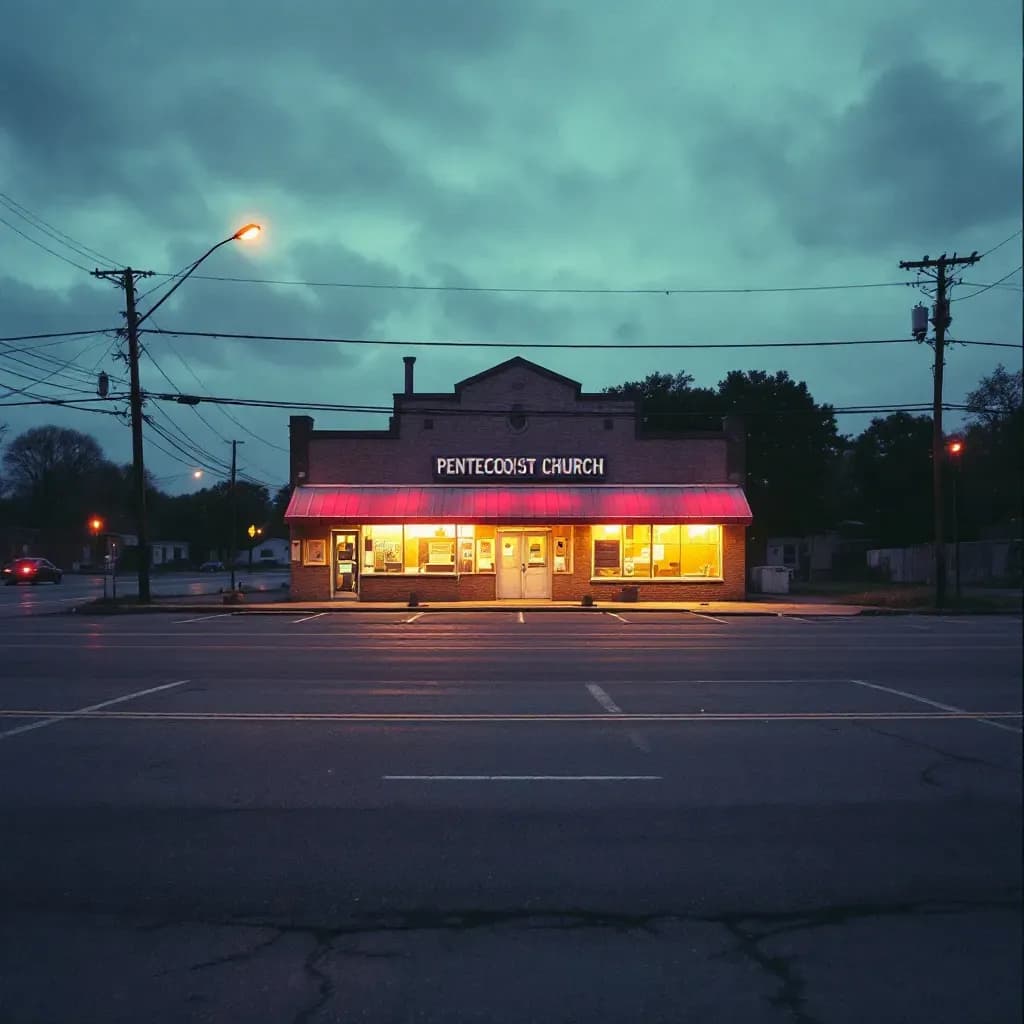
The Faith Temple Pentecostal Church case is not a single criminal prosecution but a civil estate and congregational dispute in Salt Lake City, Utah, that became public in 1998 after the death of the church's founder, Rosemary 'Mama' Cosby. Rather than involving a charged offender, victim, or sentence, the matter centered on who controlled the church's property and assets, and how Cosby's estate should be divided among her widower, her adult children, and the institution she had built. Later media interest, driven by the rise of her relative Mary Cosby on reality television, reframed the same church as the subject of cult-related allegations — but those allegations have not produced a criminal verdict.
The Crime
Strictly speaking, no criminal offense has been verified in the available reporting. What is documented is a bitter civil court fight described in detail by the Deseret News in August 1998. After Rosemary Cosby's death earlier that year, two factions emerged inside Faith Temple Pentecostal Church. One side aligned with her widower, Bishop Robert C. Cosby, who continued in a leadership role at the church. The other side aligned with Cosby's adult children from a previous marriage, Rosalind Cazares and Ernest Wilson, who challenged how the estate — and by extension, church-linked property — was being handled.
The court action sought the appointment of a special administrator for Rosemary Cosby's estate and produced a restraining order barring Robert Cosby from selling or transferring assets that were allegedly part of her personal estate rather than the church's. Lois Johnson, identified as the church's financial manager, was also named in the dispute, underscoring how entangled personal, family, and institutional finances had become.
Timeline
Rosemary "Mama" Cosby dies
The founder of Faith Temple Pentecostal Church in Salt Lake City dies in January 1997, triggering the dispute over her estate and the church's property.
Case heard at Utah's 3rd District Court
Judge William Thorne hears the case in Salt Lake City. He plans to appoint a special administrator and impose a ban on transferring the disputed assets.
Case still pending as of January 2000
According to available sources, the civil dispute over Rosemary Cosby's estate and the church property remained unresolved at least until January 2000.
The Victims
Because this is not a homicide or assault case, there are no crime victims in the traditional sense. The aggrieved parties in the civil proceedings were Rosemary Cosby's adult children, who argued that property and assets rightfully belonging to their late mother's estate were at risk, and the congregation members who found themselves split between competing leaders and competing visions of what Faith Temple should be. Years later, former members and observers cited in a Fox News video segment and in a long-form analysis at The Revealer described emotional, financial, and relational harms they attributed to the church's internal culture, including allegations involving arranged marriages within the Pentecostal community surrounding the Cosby family.
Investigation
There is no public record in the cited sources of a criminal investigation into Faith Temple Pentecostal Church tied to Rosemary Cosby's death or the subsequent dispute. The 1998 proceedings were civil: probate-style litigation over an estate, complicated by the fact that the deceased had been the spiritual and organizational head of an active congregation. The court's interventions — a special administrator and a restraining order — functioned as protective measures to preserve assets while the underlying ownership questions were litigated.
The church itself, located at 1510 S. Richards St. in Salt Lake City, continued to operate during and after the dispute. No prosecutor, detective, or police agency is identified in the available sources as having opened a criminal file connected to the estate fight.
Trial and Verdict
There has been no criminal trial and no criminal verdict associated with the Faith Temple Pentecostal Church case as documented in the sources reviewed. The civil litigation reported in 1998 produced procedural rulings — most notably the restraining order against Robert C. Cosby and the move toward a court-appointed administrator — but the available coverage does not record a final, public resolution of who ultimately received which assets. Anyone searching for a conviction, prison sentence, or acquittal tied to this church will not find one in the cited record.
Today
Faith Temple Pentecostal Church re-entered the national conversation through reality television. After Mary Cosby — Rosemary Cosby's granddaughter and a figure connected to the church's leadership lineage — joined The Real Housewives of Salt Lake City, viewers and journalists began scrutinizing the congregation's history and practices. A Fox News video segment aired allegations that the church operated in a cult-like fashion, while The Revealer examined the Pentecostal context, including arranged marriages within the family network.
As of the latest verified reporting, Faith Temple Pentecostal Church remains an active congregation in Salt Lake City. The 1998 estate dispute and the more recent cult-related allegations remain matters of civil litigation and media scrutiny rather than criminal prosecution. No criminal offender, charge, verdict, or sentence has been established in the available record.
Ask about this case
Answers from KrimiNyt's coverage onlyFollow this case
Get an email when a new documentary, podcast or book about Faith Temple Pentecostal Church — Salt Lake City Estate Dispute appears, or when a verdict is reached.