The Berlin Darkroom Killer: Three Men Poisoned with GBL
In spring 2012, Dirk P. poisoned three men with Liquid Ecstasy at a Berlin bar and in private apartments. He was sentenced to life in June 2013.
Published May 7, 2026
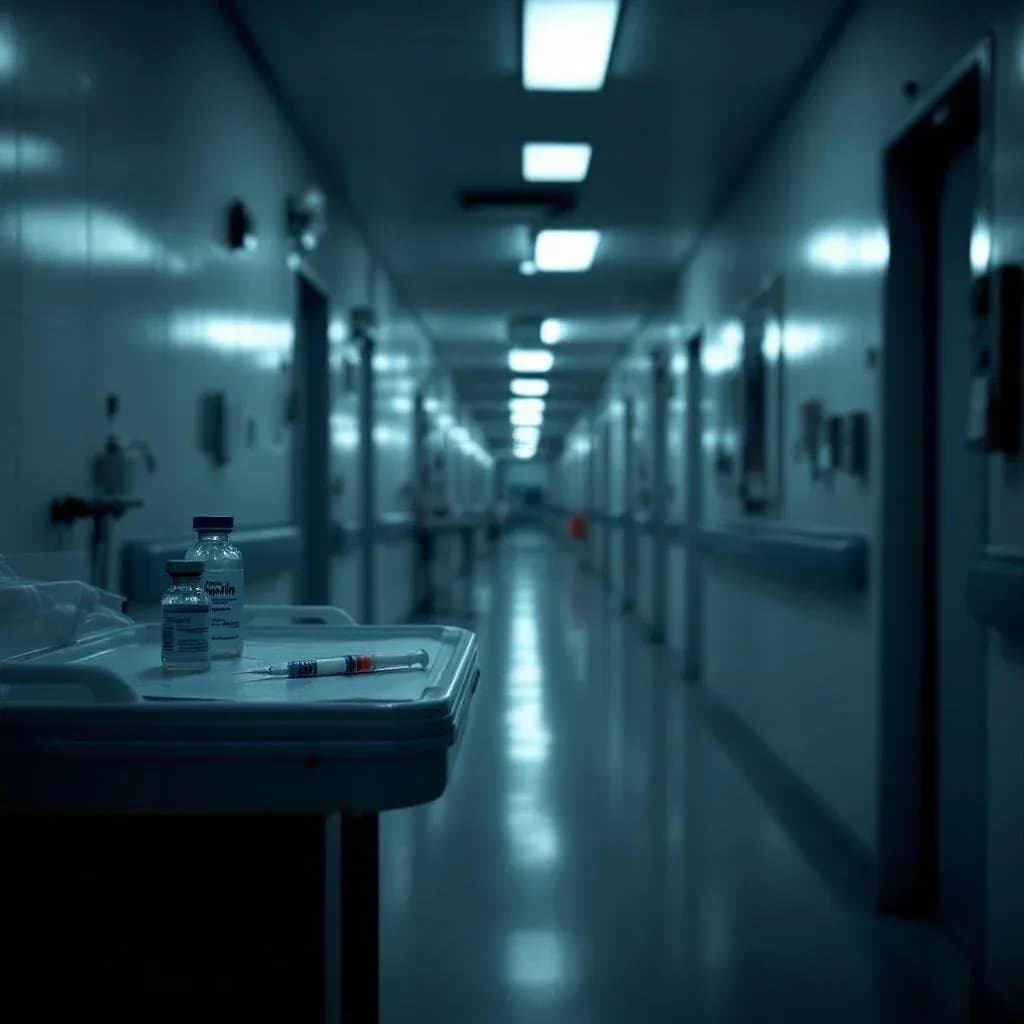
Dirk P., a teacher trainee living in Berlin-Friedrichshain, killed three men in Berlin between April and May 2012 by administering GBL — a chemical compound popularly known as Liquid Ecstasy or, in Danish slang, "ko-dråber" (cow drops) — in doses sufficient to cause loss of consciousness and respiratory arrest.
The victims
The three men who died were Alexander M. (34), Nicky M. (32), and Peter M. (41). At least one other man, Miroslaw W. (26), survived an attack by Dirk P. and later played a role in connecting the cases and identifying the suspect.
The crimes
The attacks took place in two types of setting: the darkroom of a Berlin bar, and the private apartments of the victims. This combination of semi-public and private locations complicated the initial investigation, as the link between the deaths was not immediately apparent. As German outlet BZ Berlin noted in its coverage, it was far from obvious at the outset that the three deaths were connected — and establishing that connection became a central challenge for investigators.
Timeline
Unexplained coma cases at Charité
The intensive care unit at the hospital discovers that several patients without a diabetes diagnosis fall into a coma after insulin injections.
Police called in
Hospital management reports the case to police in Berlin after the pattern of poisonings becomes clear.
Nurse arrested
A 42-year-old nurse is arrested after being identified as the main suspect among the staff in the unit.
Confession
The nurse confesses to having injected at least three patients without a doctor's order.
Trial concluded
The court finds the nurse guilty of bodily harm by poisoning and hands down a prison sentence.
Safety reforms implemented
Charité and other German hospitals introduce stricter medication documentation systems and increased monitoring in intensive care units.
The GBL poisoning cases are an example of how serial murder investigations can involve an unknown number of incidents that are never fully mapped. The precise number of survivors beyond Miroslaw W. has not been definitively established in available sources.
Investigation and arrest
Berlin police arrested Dirk P. on 26 May 2012. The investigation drew on medical evidence of GBL poisoning and witness testimony placing Dirk P. at the relevant locations. Survivor Miroslaw W. was instrumental in helping authorities piece the cases together.
Trial and verdict
The case was heard before the Landgericht Berlin — the regional criminal court with jurisdiction over serious cases in the German legal system. In June 2013, the court sentenced Dirk P. to life imprisonment for three counts of murder.
The court additionally determined what German law calls besondere Schwere der Schuld — a finding of particular gravity of guilt — which in practice means that any future parole application after the standard minimum of 15 years would require an extraordinary review. The verdict became final. As Stern reported at the time of sentencing, the court emphasised the severity of the crimes and the systematic manner in which Dirk P. had operated.
The sentence was never served. As Tagesspiegel reported, Dirk P. died by suicide at a prison hospital in 2014, less than a year after the verdict.
Legacy and broader impact
The case has since reached a wider international audience through the Crime Scene Berlin Netflix documentary, which examines the course of events and the questions left unanswered — including what motivated Dirk P. and whether all victims have ever been identified.
For Berlin's LGBTQ+ community, of which several victims were a part, the case left a lasting mark. As schwulissimo.de has documented, it raised questions about safety in spaces designed as places of refuge, and about how deaths in vulnerable communities risk being overlooked or misread in the early stages of an serial murder investigation.
For the families of Alexander M., Nicky M., and Peter M., the case represents an unresolved justice: a verdict was reached, but the perpetrator escaped his sentence. Miroslaw W. and any other survivors carry the experience with them. The case remains a fixed reference point in discussions of poisoning crimes, serial murder investigation, and the protection of vulnerable groups.
Ask about this case
Answers from KrimiNyt's coverage onlyFollow this case
Get an email when a new documentary, podcast or book about The Berlin Darkroom Killer: Three Men Poisoned with GBL appears, or when a verdict is reached.