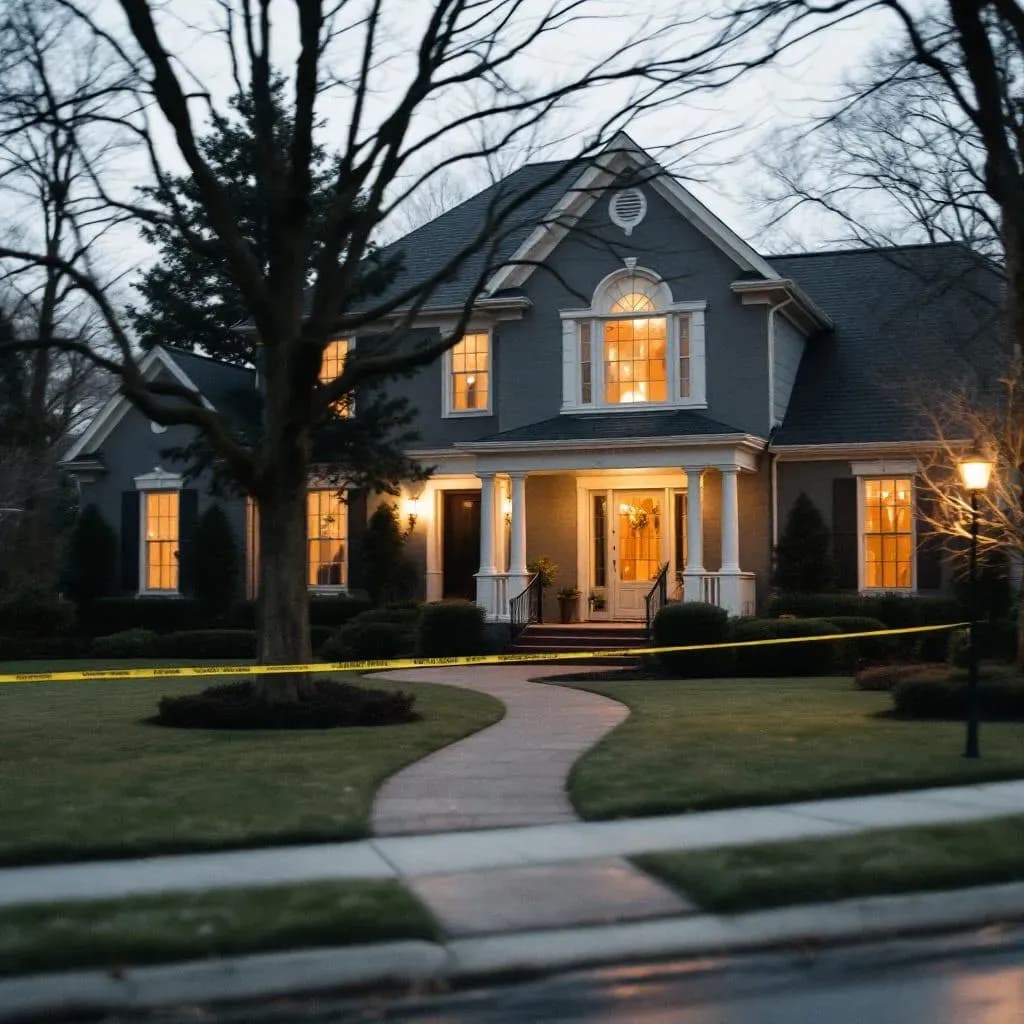
staged murder
A killing where the scene is manipulated to look like a suicide, accident or burglary
A staged murder is a killing in which the perpetrator has deliberately manipulated the crime scene or the surrounding circumstances in order to make the killing appear to be something else — for instance a suicide, an accident or a burglary gone wrong. Under Danish law, the term is not a separate provision of the criminal code, but a journalistic and criminological description of a particular method of killing.
In practice, staging means that after the killing the perpetrator arranges traces, removes evidence or places objects strategically in order to construct an alternative course of events. The purpose is to shift suspicion away from the perpetrator and to delay or derail the investigation.
In Danish criminal law, such a killing is assessed primarily under the rules on manslaughter, cf. the provisions on homicide in the Danish Penal Code (straffeloven). Subsequent acts — such as removing evidence or actively misleading the police — may additionally give rise to liability under provisions on tampering with evidence and obstruction of an investigation, depending on the concrete circumstances.
From an investigative standpoint, staged murders are particularly demanding, because the first indications at the crime scene may point in the wrong direction. Forensic medical examination, reconstruction of the course of events and analysis of inconsistencies in the perpetrator's account are central tools for exposing the manipulation.
In a true crime context — including cases such as the Brendan Banfield case from Fairfax County, Virginia — the term is used to describe instances where the investigation revealed precisely that the crime scene had been deliberately arranged to conceal the true nature of the killing and the identity of the person behind it.