left-wing extremism
Far-left ideology combined with the willingness to use violence for political ends
Left-wing extremism is an analytical and administrative term for political attitudes, movements and organisations placed at the far left of the political spectrum that accept, legitimise or actively use violence as a means of achieving political or ideological goals. The concept is not itself defined in any specific Danish statutory provision, but it is used consistently in the threat assessments of the Danish Security and Intelligence Service (PET) and in the risk analyses of other authorities as an operational category for describing and monitoring extremist actors.
Ideologically, left-wing extremism typically covers currents such as communism, anarchism and certain forms of militant anti-fascism, which share an anti-systemic outlook. In a criminal and terrorism context, the defining feature is not the political conviction as such, but the willingness to use unlawful and often violent means — including sabotage, political violence and terrorism — to advance those goals.
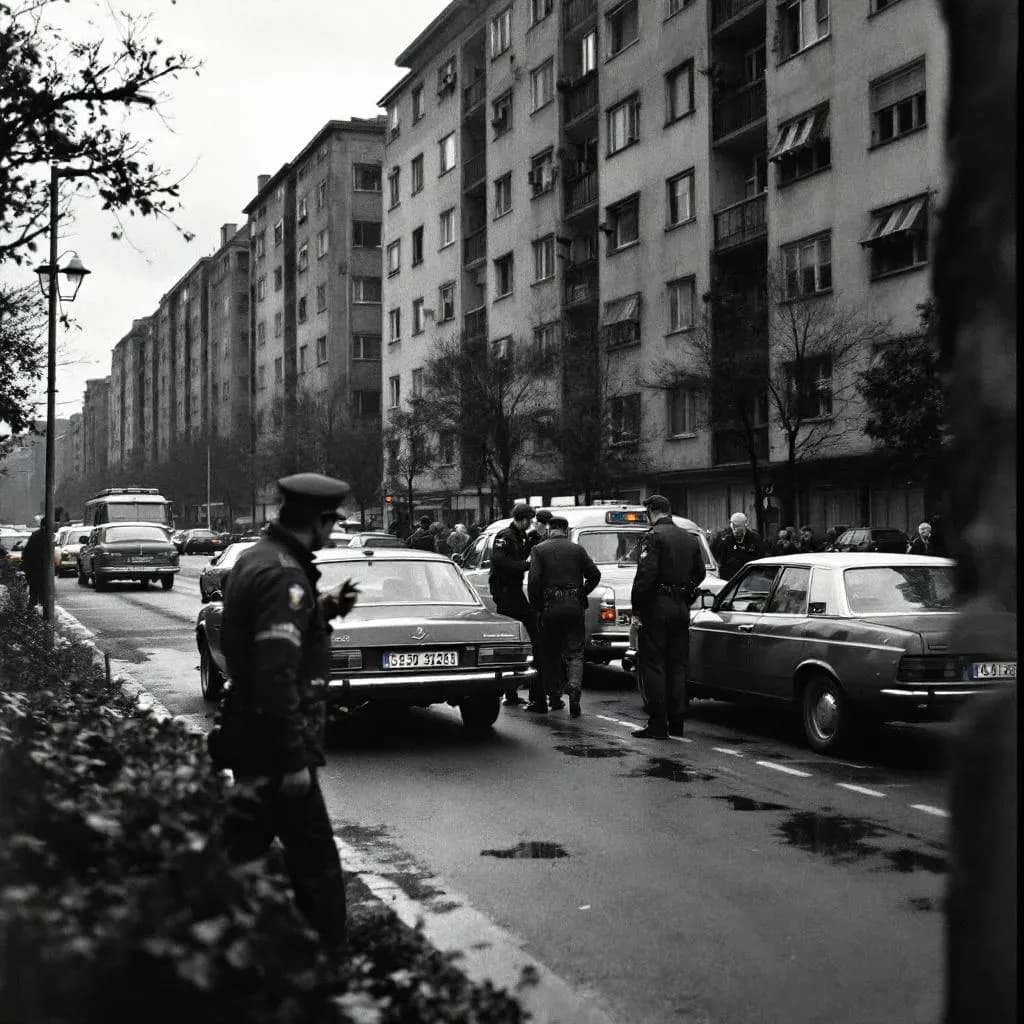
In an international true crime and terrorism context, left-wing extremist violence is most closely associated with organisations such as the West German Red Army Faction (Rote Armee Fraktion, RAF), which during the 1970s and 1980s carried out killings, kidnappings and bomb attacks with the declared aim of destabilising the West German state. The RAF was regarded as one of Western Europe's bloodiest left-wing extremist terrorist organisations and remains a central reference point for understanding the concept.
More recent cases, such as the German Lina E. case, illustrate how left-wing extremist violence in a modern judicial context can lead to conviction for aggravated violence and participation in a criminal organisation, even where the perpetrators are not affiliated with classic terrorist organisations. Here the political motivation and the systematic, ideologically justified violence are central evidentiary issues for the prosecution.
Under Danish law, left-wing extremist acts are not prosecuted under a separate legal basis, but under the general provisions on violence, terrorism and organised crime in the Danish Penal Code (straffeloven). The political or ideological motivation may, however, form part of sentencing and of the assessment of whether an act qualifies as terrorism.