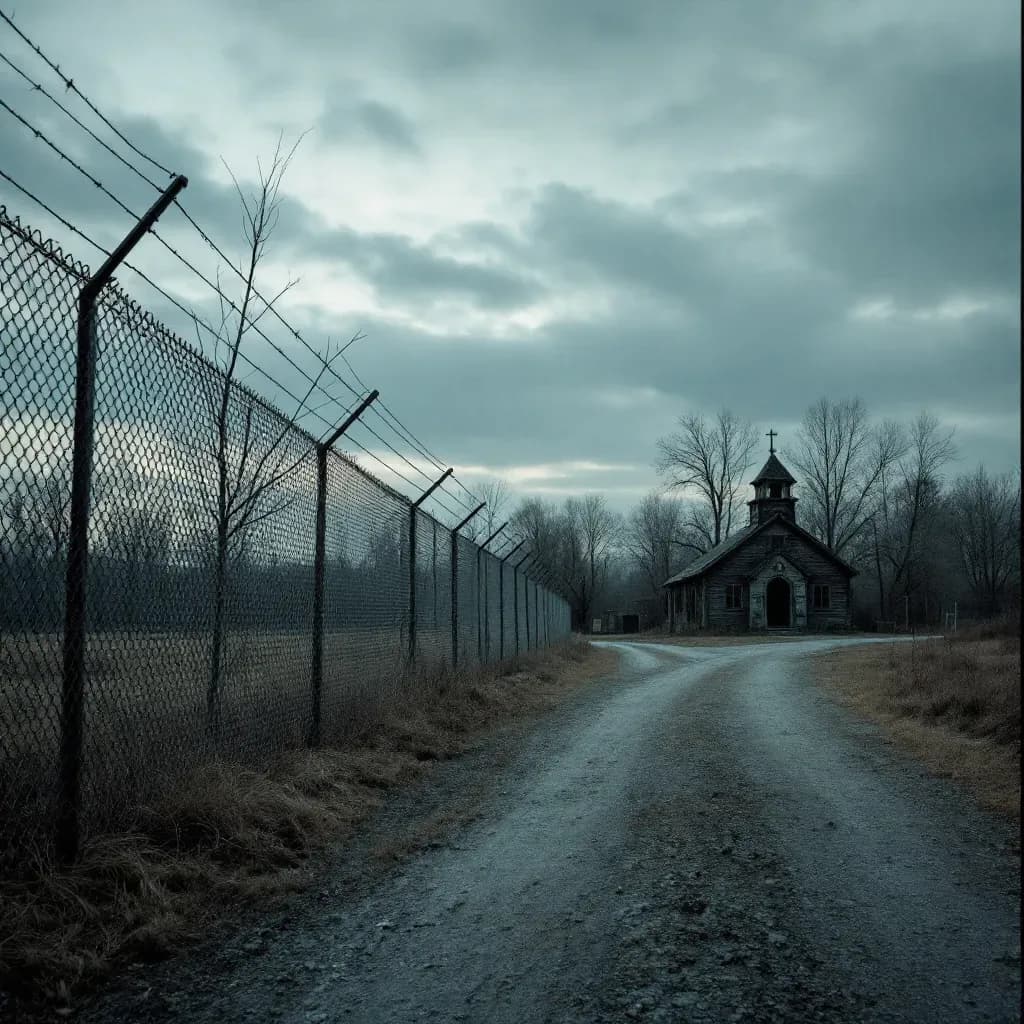
cult abuse
Abuse within closed religious groups, enabled by control, dependency and authority
Cult abuse denotes abuse — typically sexual, psychological or physical — that takes place within closed religious or cultic environments, and which is made possible by the leader's or the group's systematic exercise of control, creation of dependency and spiritual authority over the members. Under Danish law the term is not an independent legal category in criminal law, but is used descriptively about a particular form of abuse that differs from abuse in other settings because of the organised apparatus of power from which it arises.
In practice, cult abuse typically means that a victim is in a situation marked by isolation from the outside world, total dependency on the group structure, and fear of spiritual or social consequences if they resist. These factors make it especially difficult for victims to acknowledge the abuse, seek help or leave the environment. The case against the American sect leader Tony Alamo is one example in which religious authority was used systematically to legitimise sexual abuse of children.
In Danish court cases, cult abuse is not dealt with as one unified concept, but is broken down into the concrete criminal acts that have been committed: sexual abuse, violence, unlawful coercion or exploitation of a relationship of dependency. It is these individual acts that are subsumed under the relevant provisions of the Danish Penal Code (straffeloven), not the cultic context as such. The cultic context may, however, carry legal significance as an aggravating circumstance or as an explanation of the victim's behaviour — including delayed reports, retraction of statements, or an inability to break free.
Cases from environments such as Gloriavale illustrate how systematic social and spiritual control can sustain abuse across generations without outside intervention. The term is used in true crime contexts and in sociological and psychological literature as an analytical framework for understanding why traditional protective mechanisms — reporting, escape, witness testimony — do not function in the usual way in cultic environments.