critical infrastructure
Systems vital to society, and the legal weight of attacks directed against them
Critical infrastructure denotes the installations, facilities, networks and systems necessary to maintain or restore functions vital to society — including energy supply, healthcare, water supply, transport and digital systems. Under Danish law, the concept is expressly defined in the Act on the Resilience of Critical Entities (CER-loven) as an asset, a facility, equipment, a network or a system, or part thereof, which is necessary for the delivery of an essential service.
The significance of the concept emerges particularly clearly in cases involving sabotage and attacks. The Nord Stream 1 and Nord Stream 2 gas pipelines in the Baltic Sea are a central example: as trans-European energy supply systems, they are precisely the type of installation whose destruction can paralyse security of supply for several states at once. The explosions in September 2022 illustrated that attacks on critical infrastructure are not merely a national matter, but can have cross-border consequences of strategic importance.
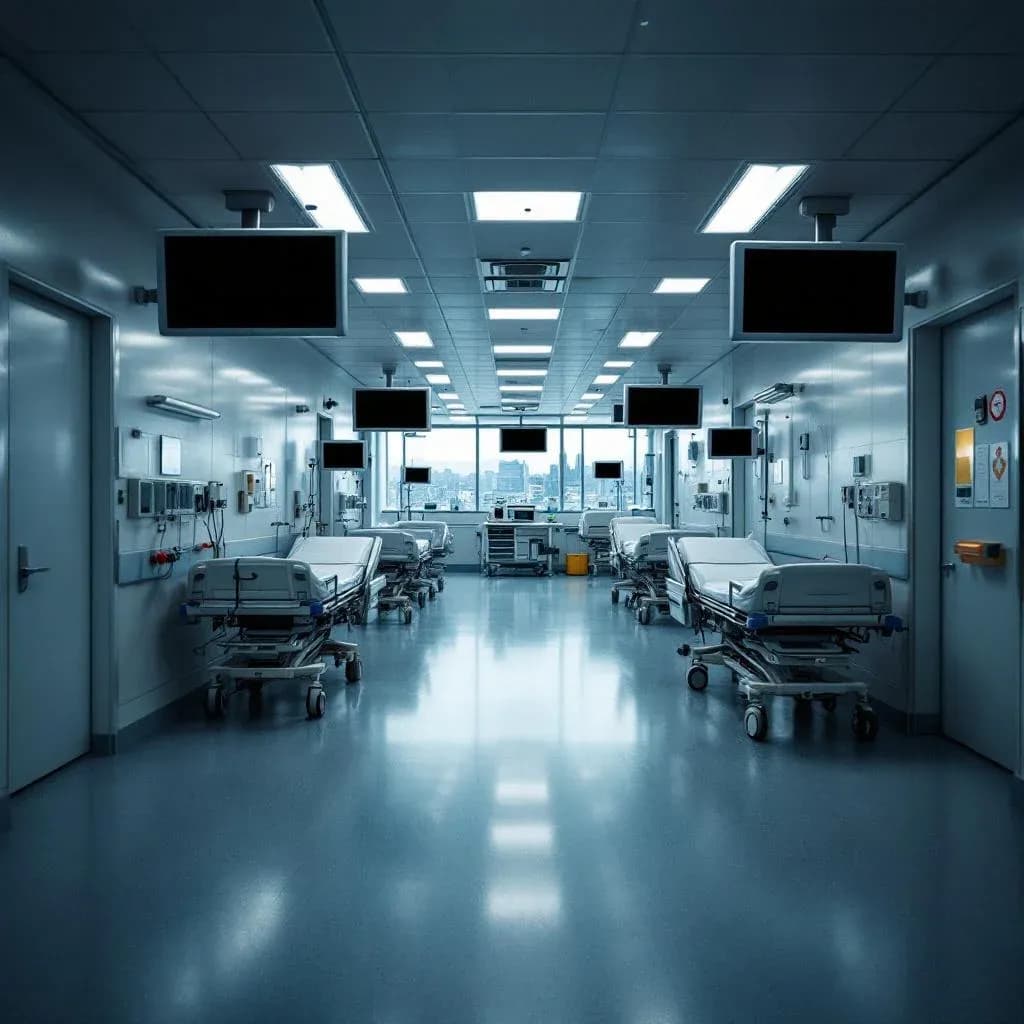
Within the health sector, the 2020 attack on the University Hospital in Düsseldorf shows how digital systems — in that case the hospital's IT infrastructure — can constitute critical infrastructure when their failure directly affects patients' lives and safety. The ransomware attack caused operational disruption of such a character that the hospital temporarily had to turn away emergency patients.
Common to these cases is that the attack is not directed at a single organisation, but at the fundamental systems on which large parts of society depend. It is this vulnerability — combined with the potentially far-reaching consequences of a failure — that gives the concept its particular legal and security-policy weight. The threat may come from state actors, criminal groups or a combination of the two.