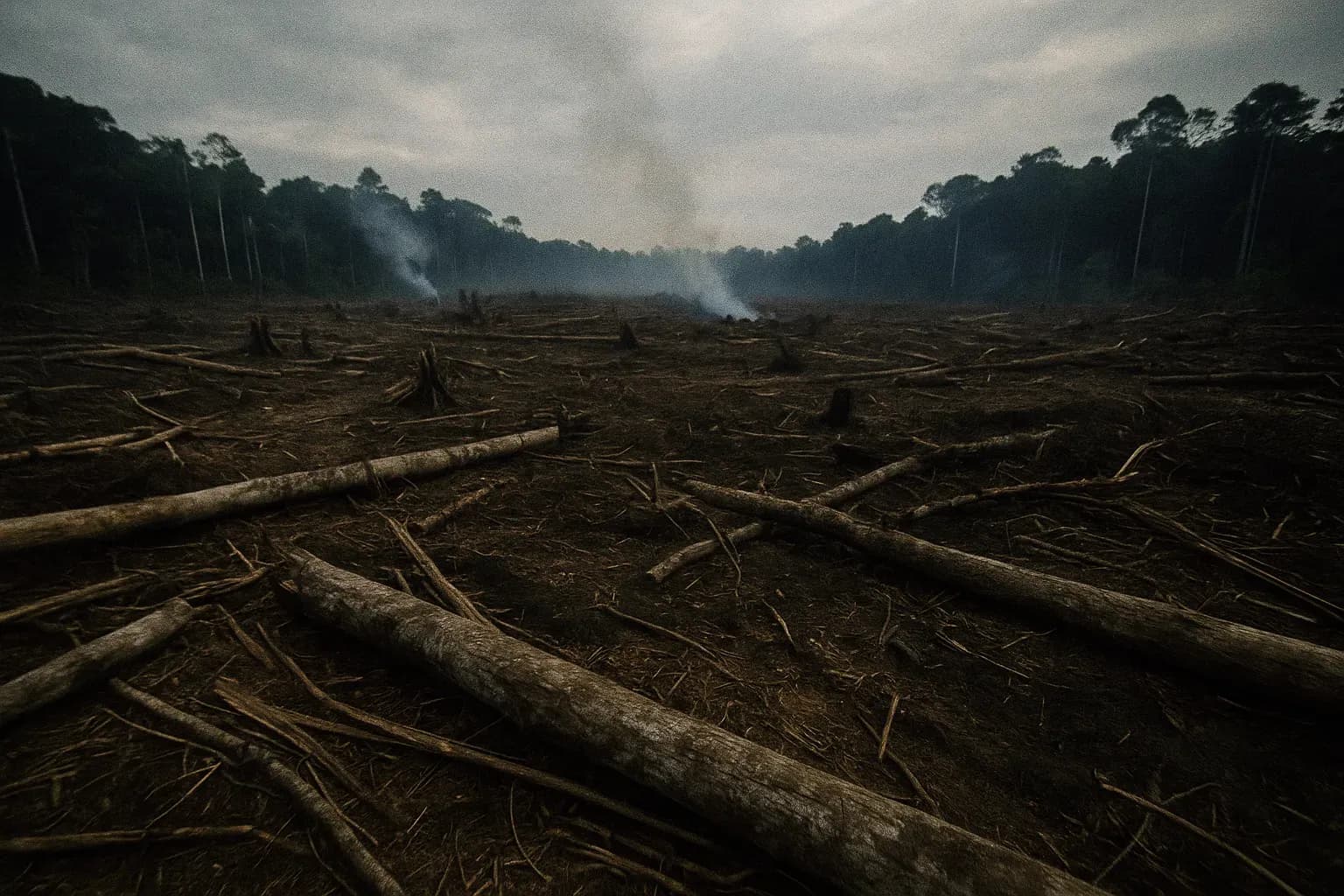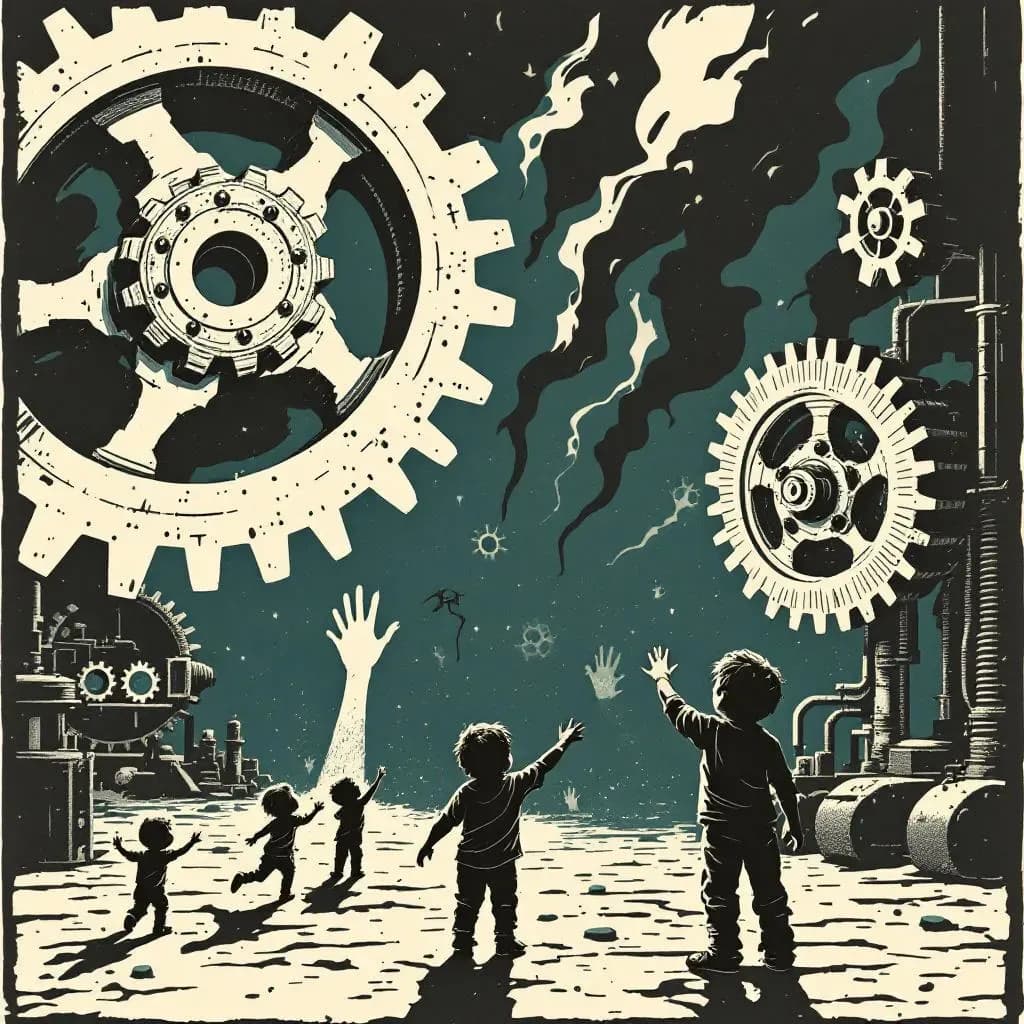
child labour
Regulated through working environment law and enforced by Arbejdstilsynet
Child labour is, under Danish law, a collective term for work that children either may not perform at all, or may perform only under strict age and safety rules. The concept covers work carried out by children below the statutory minimum age as well as work capable of harming the child's physical or mental development, health or safety. Danish law contains no single legal definition of child labour in the Penal Code (straffeloven); instead the area is regulated through the working environment legislation.
The central protection follows from the EU Charter of Fundamental Rights, Article 32, which states clearly that child labour is prohibited. The Charter also ensures that young people who do work must have special protective measures adapted to their age. In Denmark this prohibition is implemented through the working environment rules on young people's work, which lay down specific age limits and safety requirements.
The main principle is that children must not work in a way that interferes with their schooling or otherwise hinders their normal development. The rules ensure that work may only begin from a certain age, and that it must not involve dangerous or health-damaging tasks. The protection comprises both an age limit for when children may work at all, and special rules for young people under 18 concerning working hours, rest periods and prohibited work tasks. Enforcement of the rules takes place primarily through the Danish Working Environment Authority (Arbejdstilsynet), not through criminal sanctions in the traditional sense.