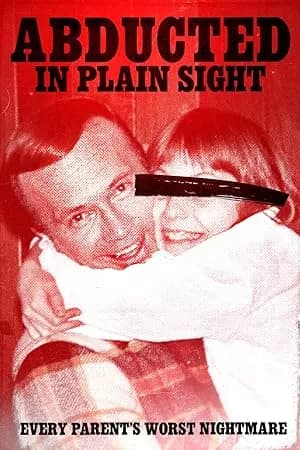
Abducted in Plain Sight
Netflix, 2017 — the shocking true story of how Robert Berchtold abducted Jan Broberg twice in 1970s Idaho
Quick facts
What Is the Series About?
Abducted in Plain Sight is a feature-length documentary film directed by Skye Borgman and available on Netflix. Running approximately 91 minutes, it chronicles one of the most bewildering child abduction cases in American history: the repeated kidnapping and sexual abuse of Jan Broberg, a young girl from Pocatello, Idaho, by her family's trusted neighbor and close friend, Robert Berchtold. Originally released in 2017, the film achieved viral notoriety after Netflix began streaming it in early 2019, becoming an instant subject of stunned conversation among true-crime audiences worldwide.
What sets the documentary apart from conventional crime films is not just the severity of the crimes committed, but the almost incomprehensible ease with which Berchtold manipulated an entire family — parents included — over the course of years. Viewers and critics alike found themselves simultaneously horrified by Berchtold's actions and struggling to understand how the adults around Jan failed to protect her.
---
The Case
In the early 1970s, Robert Berchtold — known affectionately to the Broberg family as "B" — was a charming, well-liked neighbor in Pocatello, Idaho. He cultivated a close friendship with Bob and Mary Ann Broberg and gradually embedded himself into the fabric of family life, winning the trust of everyone around him. What was happening beneath that friendly surface was a calculated, long-term campaign of grooming and coercive manipulation directed at both the parents and their eldest daughter, Jan.
In 1974, when Jan was just 12 years old, Berchtold took her out under the pretense of a horseback riding trip. Instead, he drove her across the border to Mexico, holding her in his motor home. According to reporting on the case, the Broberg family waited five days before contacting law enforcement — a decision that became one of the most discussed and debated elements of the entire case. The delay was a direct consequence of Berchtold's manipulation of the parents, who had been compromised in ways that the documentary reveals in extraordinary, uncomfortable detail.
Berchtold was eventually charged and, in 1976, pleaded guilty to kidnapping. The sentence handed down was five years in prison. He served ten days. The shocking leniency of that outcome meant Berchtold remained free and continued to pose a danger. Jan was abducted a second time, and the cycle of abuse, manipulation, and institutional failure continued.
The documentary does not shy away from the most disturbing dimension of the case: Berchtold's manipulation extended to Jan's own parents, Bob and Mary Ann Broberg, whose own compromised relationships with Berchtold left them unable or unwilling to act decisively to protect their daughter. The film features interviews with Jan Broberg herself, now an adult, as well as members of her family, making it an unusually personal and raw account of the crimes.
Berchtold's legal troubles did not end with the 1976 case. He was later convicted of firearm possession and aggravated assault. Before he could be sentenced in that case, he died by suicide. He never fully faced justice for the full scope of what he had done to Jan Broberg and her family.
---
Production
The documentary was directed by Skye Borgman, whose approach centers on intimate first-person testimony from the Broberg family. Rather than relying purely on archival footage or third-party commentary, Borgman secured access to Jan Broberg and her parents, allowing them to describe — in their own words — the events that unfolded over the course of years. This decision gives the film an unusually direct emotional charge. Hearing Jan recount her experiences as a child, alongside her parents' attempts to explain their own behavior, creates a layered, often deeply uncomfortable viewing experience.
The film's structure builds methodically, withholding key revelations until the audience has been drawn into the apparent normalcy of the Broberg household — and then systematically dismantling that normalcy layer by layer. The result, as The Atlantic noted in its review, is a film that forces viewers to grapple not just with Berchtold's crimes, but with the broader systemic failures — familial, social, and legal — that enabled them.
The runtime of approximately 91 minutes is tight for the volume of material it covers, and some critics noted that the film could have explored certain threads in greater depth. Nevertheless, Borgman's editorial decisions keep the pacing urgent and the emotional stakes high throughout.
---
Reception
Critical and audience reception to Abducted in Plain Sight has been intense. On Rotten Tomatoes, the film holds an approval rating of 75% based on 23 reviews, with an average rating of 6.9/10. While that score reflects some ambivalence among professional critics — several of whom noted that the documentary's storytelling occasionally prioritizes shock over analytical depth — audience reaction has been overwhelmingly visceral.
When Netflix began streaming the film in February 2019, it rapidly went viral. Social media was flooded with reactions from viewers who described it as "the craziest documentary" they had ever watched, with many expressing disbelief that the events depicted were real. The film became a major true-crime talking point precisely because it defied easy explanation — it was not simply a story of a monster preying on an innocent family, but something far more complicated and, in many ways, more troubling.
A significant controversy that emerged in viewer discussions centered on the behavior of Jan's parents. Many viewers expressed frustration, anger, and confusion at the decisions Bob and Mary Ann Broberg made throughout the ordeal. The documentary addresses this directly, and the parents' own candid admissions became some of the most-discussed moments in the film. Critics were divided on whether the film handled this dimension with sufficient nuance or whether it veered into exploitation.
The IMDb news entry for the title also references a later limited-series adaptation project, suggesting the case continues to attract attention from producers and audiences alike.
---
The Case Today
Robert Berchtold is dead, having died by suicide before he could be sentenced on his final conviction for firearm possession and aggravated assault. He never served meaningful prison time for the kidnapping and sexual abuse of Jan Broberg.
Jan Broberg herself has become an outspoken advocate and public figure in the years since the documentary brought her story to a global audience. She has spoken widely about child safety, grooming, and the systemic failures that allowed Berchtold to operate unchecked for years. Her willingness to tell her own story — on camera, in her own voice — remains the documentary's most powerful and enduring element.
The case continues to be studied as a textbook example of sophisticated grooming, coercive control, and the devastating consequences of misplaced trust. Abducted in Plain Sight remains one of the most-discussed true-crime documentaries in Netflix's library, a film that unsettles audiences not because it is sensationalist, but because it is devastatingly, uncomfortably true.