First Date Turned Fatal: The Sade Robinson Case
A Wisconsin murder investigation reveals the dangers lurking behind digital romance
On April 1, 2024, Sade Robinson, 19, met Maxwell Anderson, 33, at a Hooters restaurant in Milwaukee, Wisconsin. What should have been a casual first date—a social ritual increasingly mediated through dating apps and digital messaging—instead became a case that would draw national attention to the intersection of modern romance and violent crime.
Robinson vanished that evening. Her digital presence, previously active with hopeful messages to friends, went silent. By daybreak, her family had begun the agonizing process of reporting her missing. Within days, the nightmare took a macabre turn.
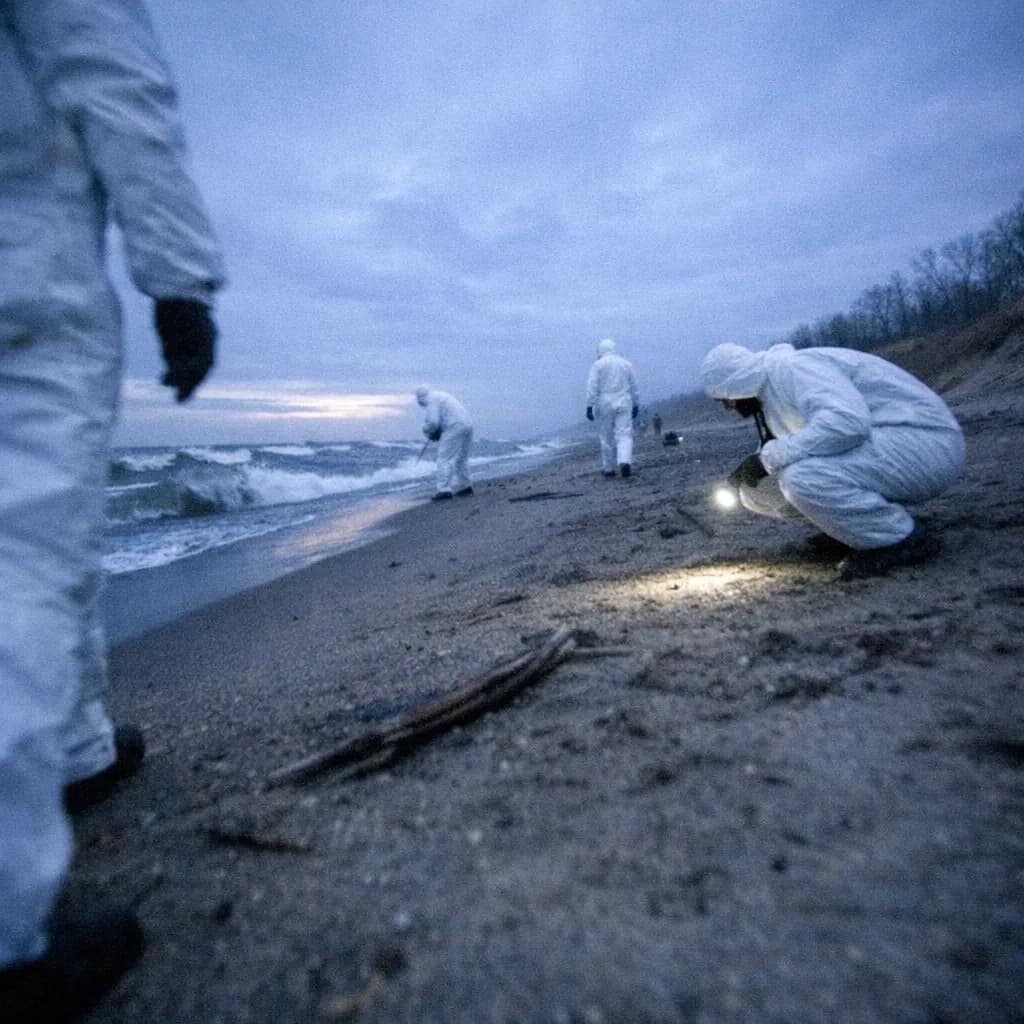
On April 5, 2024, human remains washed ashore at McKinley Beach along Lake Michigan. DNA testing confirmed the discovery belonged to Robinson. Over the following two days, additional remains surfaced at North Beach and near Sheraton areas. What emerged from the water was a fragmented body, systematically dismembered in an apparent attempt to destroy evidence. Each discovery along the shoreline added another layer of horror to an unfolding tragedy that would captivate and traumatize an entire region.
Maxwell Anderson was arrested on April 9, 2024. Prosecutors charged him with first-degree intentional homicide, abuse of a corpse, and disrespecting the deceased. The evidence prosecutors presented painted a portrait of calculated violence. Police reported finding biological traces and DNA on cutting implements in Anderson's residence. Blood evidence allegedly recovered from his home and vehicle. Snapchat videos and phone location data placed Robinson at his address. What had once been a routine dating scenario had become a crime scene investigation that authorities described as methodical and deliberate.
For international observers, the case illuminates distinctly American vulnerabilities. Unlike some Nordic countries with stronger data privacy protections and digital identity verification systems, American dating platforms operate with minimal friction and few verification mechanisms. A teenager in Milwaukee could meet a stranger with limited background checking—a disparity that contrasts sharply with stricter European regulatory frameworks for dating apps.