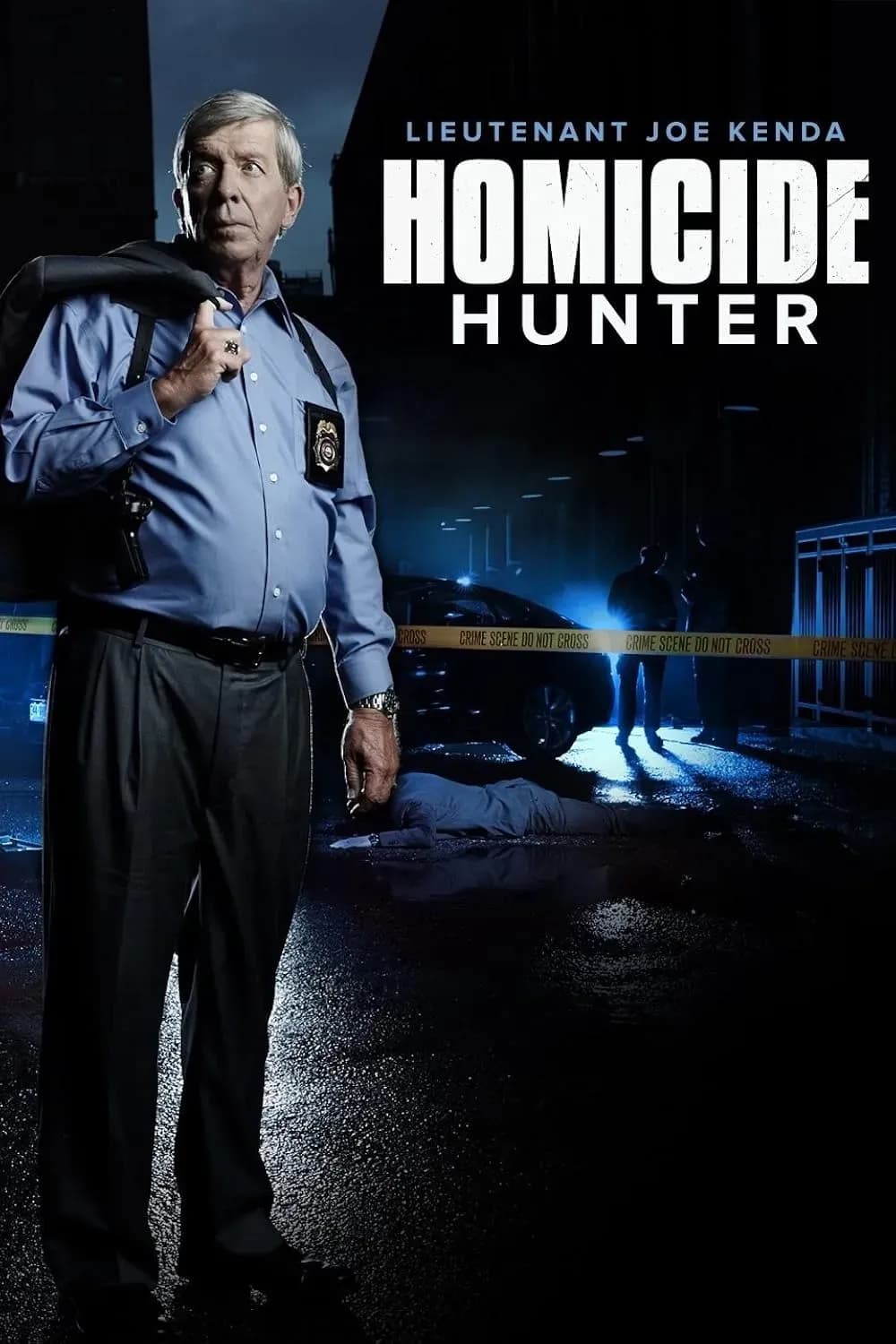
Homicide Hunter: How Joe Kenda Became TV's Top Crime Investigator
From reluctant actor to Investigation Discovery's biggest star, the former Colorado Springs detective built a global phenomenon
Joe Kenda's television series Homicide Hunter: Lt. Joe Kenda launched on Investigation Discovery in September 2011, transforming the retired homicide detective into an unlikely television star. The show, which featured reenactments of real murder cases filmed in Knoxville, Tennessee, would eventually become Investigation Discovery's most-watched program.
Kenda's transition to screen was not immediate or enthusiastic. When television series editor Patrick Bryant first conceived the concept in 2008, Kenda resisted the idea outright. "I'm not an actor. I'm a policeman," he reportedly stated. Yet over the following years, Kenda reconsidered, and by 2011, Homicide Hunter premiered to audiences curious about the man behind the badge.
The series capitalized on Kenda's legitimate credentials. His law enforcement background spanned 23 years at the Colorado Springs Police Department, where he spent 21 of those years as a homicide detective and commander of the Major Crimes Unit. During his career, Kenda solved 356 of 387 homicide cases, achieving a 92 percent closure rate—an extraordinary record that gave the television series authentic weight.
Kenda retired from police work in August 1996 and spent the following decade working as a special needs school bus operator before his television opportunity arrived. The career pivot proved transformative. Homicide Hunter ran for nine seasons, with the series finale airing on January 29, 2020. By its ninth season, the show had become Investigation Discovery's flagship program, drawing an average of 1.7 million viewers weekly in the third quarter of 2018.
The series' international reach exceeded expectations. The first three seasons were broadcast in over 183 countries and translated into more than 100 languages, making Kenda's cases and investigative insights globally accessible. This worldwide distribution transformed a niche true crime program into a genuine international phenomenon.