Evil Genius: Inside Netflix's Collar Bomb Bank Heist
How a pizza delivery driver became the unwilling centerpiece of America's strangest crime
On August 28, 2003, pizza delivery driver Brian Wells walked into a bank in Erie, Pennsylvania wearing an explosive device around his neck. Within hours, the bomb detonated in public, killing him instantly. What followed was one of America's most puzzling criminal investigations—and now, Netflix is telling the full story.
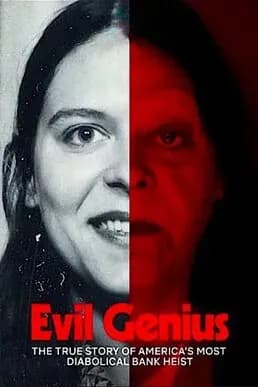
Evil Genius: The True Story of America's Most Diabolical Bank Heist arrived on Netflix on May 11, 2018, as a four-part documentary series that peels back layers of conspiracy, manipulation, and possible complicity. Director and producer Trey Borzillieri spent 15 years investigating the case before cameras rolled, beginning his research in 2003 and maintaining correspondence with key suspect Marjorie Diehl-Armstrong starting in 2005.
The documentary opens with the essential question: Was Brian Wells a hostage forced into robbery, or a willing participant who miscalculated fatally? Episode 1 presents the heist itself—a bank robbery executed under extraordinary duress, with Wells as the public face of the crime. The tension between victimhood and complicity runs through the entire series, challenging viewers to reassess their assumptions about who holds responsibility in such an extraordinary scenario.
The investigation deepens in subsequent episodes. Part 2, "The Frozen Body," introduces a grim discovery near the crime scene that points investigators toward Diehl-Armstrong, a woman described as highly intelligent but burdened by severe mental and personality disorders. This episode marks the shift from the immediate crime to the conspiracy behind it.
Diehl-Armstrong's arrest and the unfolding investigation occupy Parts 3 and 4. "The Suspects" reveals complications in the case: the possible architect of the plot dies before charges materialize, a crucial witness comes forward, and Diehl-Armstrong allegedly confesses details to cellmates. The final episode, "The Confessions," documents conspirators making deals, jury verdicts, and a later witness whose testimony further complicates the narrative.