The Baader-Meinhof Complex: The Film That Rewrote History
Uli Edel's 2008 masterpiece became the defining visual memory of the Red Army Faction for generations across Europe
Quick Facts
The Baader-Meinhof Complex: The Film That Rewrote History
When Germans discuss the Red Army Faction today, they often speak through the lens of Uli Edel's film. "Der Baader-Meinhof Komplex" from 2008 became far more than a successful film production—it became the work through which entire generations understand one of the darkest chapters in postwar European history.
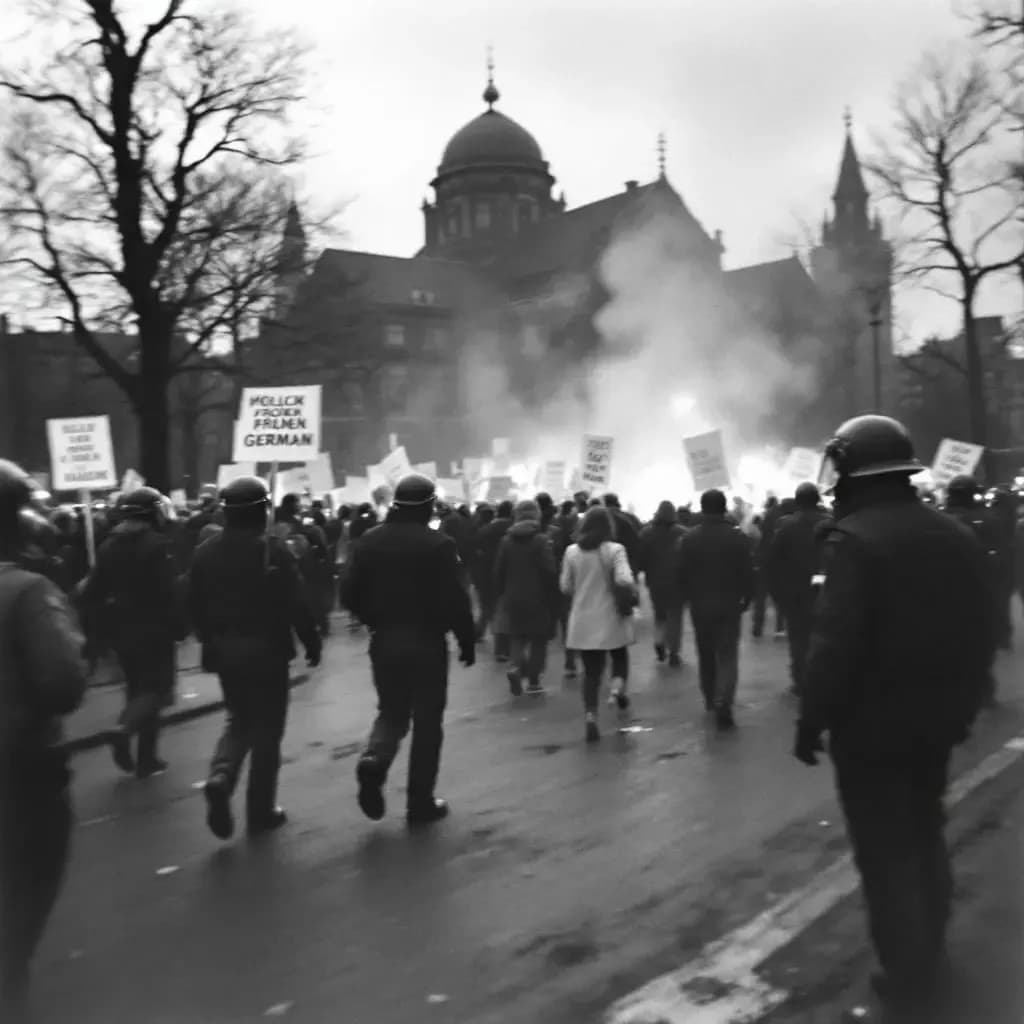
Edel's ambitious 150-minute drama traces the RAF's trajectory from the student movement of 1967 through the bloody "German Autumn" of 1977. The film came to define not only how Germany remembers its own extremism, but how the world perceived this left-wing terrorist organization.
A Film That Posed Questions
When "Der Baader-Meinhof Komplex" premiered in 2008, the reaction was almost immediate. Here was a German director willing to tackle this hypersensitive history without compromise—neither glossing over the idealism nor the bloodshed.
The film received an Oscar nomination for Best Foreign Language Film and won multiple German film awards. But the accolades were not the most important aspect. What mattered was that Edel had managed to make a complex piece of German history cinematically accessible without resorting to black-and-white thinking.
The film functioned as far more than a stylish terrorism thriller. Instead, it presented a nuanced narrative about how idealistic young people could slip into the logic of armed rebellion. For many Danish and German filmgoers, this film became their dominant visual memory of the RAF—a responsibility Edel took seriously.