Psychopathy
Understanding the dangerous cocktail of charm, manipulation, and lack of empathy

Definition
What drives cold-blooded criminals? Delve into psychopathy: the dangerous mix of charm, manipulation, and an ice-cold lack of empathy in true crime.
Understanding the dangerous cocktail of charm, manipulation, and lack of empathy
What is psychopathy, and why is it central to true crime?
In true crime, psychopathy refers to a severe personality disorder characterized by a marked lack of empathy and conscience, combined with superficial charm and a strong tendency towards manipulation and antisocial behavior. These traits make individuals with psychopathy particularly relevant in criminal cases, as they can be behind cold-blooded acts and possess a disturbing ability to deceive those around them without visible remorse.
From charm to crime: How psychopaths use lack of empathy
It is precisely this combination of a seemingly charming exterior and a deep inner emotional emptiness that often enables individuals with psychopathic traits to infiltrate others' lives, abuse their trust, and commit crimes. These can range from sophisticated financial fraud to brutal violent assaults. Although their behavior may appear impulsive, it is often driven by calculated self-interest and a fundamental lack of respect for social norms and the rights of others. The absence of fear and guilt frequently contributes to repeat criminal behavior, where the consequences for themselves or their victims seem insignificant.
Why understanding psychopathy is key for investigations
A deeper understanding of psychopathy is therefore essential in the true crime genre, not to stigmatize, but to illuminate the complex psychological mechanisms that can drive some of the most transgressive criminal acts. This personality disorder and its associated behavioral patterns pose an ongoing challenge for investigators, particularly in profiling perpetrators and behavioral analysis, as well as for our general perception of human behavior and the potential for evil.
How do psychopaths exploit their victims in cases of fraud and violence? Explore real-life cases of psychopathy – find our harrowing cases below.
Read more
Albert Fish: The Gray Man Who Hunted Children
Albert Fish, born in 1870, murdered at least three children between 1924 and 1928, including 11-year-old Grace Budd, whose dismembered remains he cannibalized. Arrested in 1930 and convicted in 1936, Fish claimed to have killed over 100 children across America before his execution.
Bear Brook Murders: From Barrels to Serial Killer
In November 1985, a boy kicking over a barrel in Bear Brook State Park, New Hampshire, uncovered the remains of two victims—beginning one of America's most haunting unsolved cases. Thirty-two years later, genetic genealogy identified the killer: Terry Peder Rasmussen, a man who had evaded justice under at least five aliases.
Swiss Banking Scandal: Credit Suisse's Illegal Surveillance of Departing Executive
Credit Suisse hired private investigators to monitor its former wealth management chief Iqbal Khan after he joined competitor UBS in 2019. The resulting case of corporate surveillance, intimidation and potential coercion was settled in 2021, shedding light on ruthless internal politics in global finance.
Related articles

Alt om Peter Lundin-sagen: dokumentarer, bøger og podcasts
Psykopaten Peter Lundin: Fra mord på sin mor i USA til tredobbelt drab og partering på Marianne og hendes børn i Rødovre. En sag der chokerede Danmark. Her er det samlede overblik over alle dokumentarer, serier, podcasts og bøger om sagen.

Alt om Killer Clown-sagen: dokumentarer, bøger og podcasts
John Wayne Gacy myrdede mindst 33 unge mænd og drenge mellem 1972 og 1978 i Norwood Park Township uden for Chicago. Den amerikanske seriemorder blev kendt som 'Killer Clown', fordi han arbejdede som frivillig klovn til velgørende arrangementer, mens han førte et dobbeltliv fyldt med mord, voldtægt o
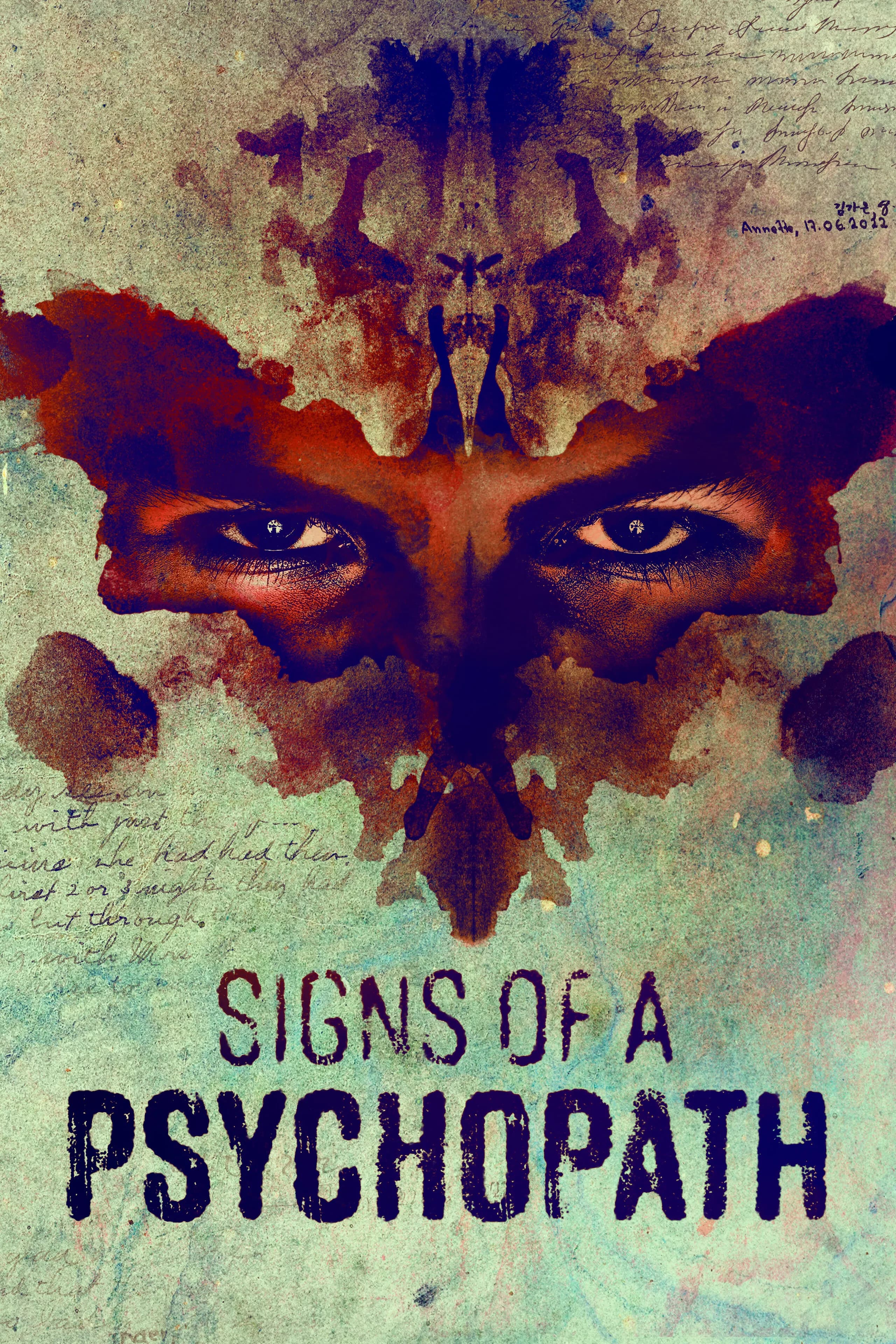
Signs of a Psychopath
Signs of a Psychopath is an Investigation Discovery anthology series on HBO Max covering a different real murder case each episode, across 10 seasons and 93 episodes.

White House Farm: The Murders That Divided a Family
On the night of August 6-7, 1985, five members of the Bamber family were shot dead at their Essex farmhouse. While police initially suspected the victims' adopted daughter, her brother Jeremy was later convicted—but questions about what really happened continue to circulate nearly four decades later.

The Boden Case: Sweden's Dark Summer of 2013
In the summer of 2013, a 20-year-old woman named Vatchareeya disappeared near Boden, Sweden. Her dismembered remains were discovered weeks later in a forest, sparking an investigation that would illuminate serious weaknesses in how Swedish authorities handle violent crime cases.

Danish Study Challenges Perceptions of Female Criminality
Susanne Sperling's work 'Forbrydelsen Indefra: Kriminelle kvinders sind' addresses controversial questions about female criminality and societal attitudes toward women offenders in Denmark.

War Trauma and Double Murder: New Book on Lars Kragh
In the summer of 2016, 37-year-old Lars Kragh, a veteran of the Balkan Wars, murdered both of his parents in East Jutland, Denmark. A new book by Christensen and Mistrati analyzes how war trauma and PTSD can lead to catastrophic consequences.

Double Murder of Parents Uncovered in Eastern Jutland
Søren Kragh, a soldier from Eastern Jutland, killed both his parents in 2016 and drove around with their bodies for seven days before the case was uncovered during a routine police check. The full story is now told in the book 'Murder in the Family: Double Killing of Mother and Father'.

Albert Fish: The Gray Man Who Hunted Children
Albert Fish, born in 1870, murdered at least three children between 1924 and 1928, including 11-year-old Grace Budd, whose dismembered remains he cannibalized. Arrested in 1930 and convicted in 1936, Fish claimed to have killed over 100 children across America before his execution.

Bear Brook Murders: From Barrels to Serial Killer
In November 1985, a boy kicking over a barrel in Bear Brook State Park, New Hampshire, uncovered the remains of two victims—beginning one of America's most haunting unsolved cases. Thirty-two years later, genetic genealogy identified the killer: Terry Peder Rasmussen, a man who had evaded justice under at least five aliases.

Swiss Banking Scandal: Credit Suisse's Illegal Surveillance of Departing Executive
Credit Suisse hired private investigators to monitor its former wealth management chief Iqbal Khan after he joined competitor UBS in 2019. The resulting case of corporate surveillance, intimidation and potential coercion was settled in 2021, shedding light on ruthless internal politics in global finance.

Unable to Publish: Case Verification Failed
We cannot publish an article about Marei Stephansen based on available research. Our investigation found no verified English-language sources documenting this case.