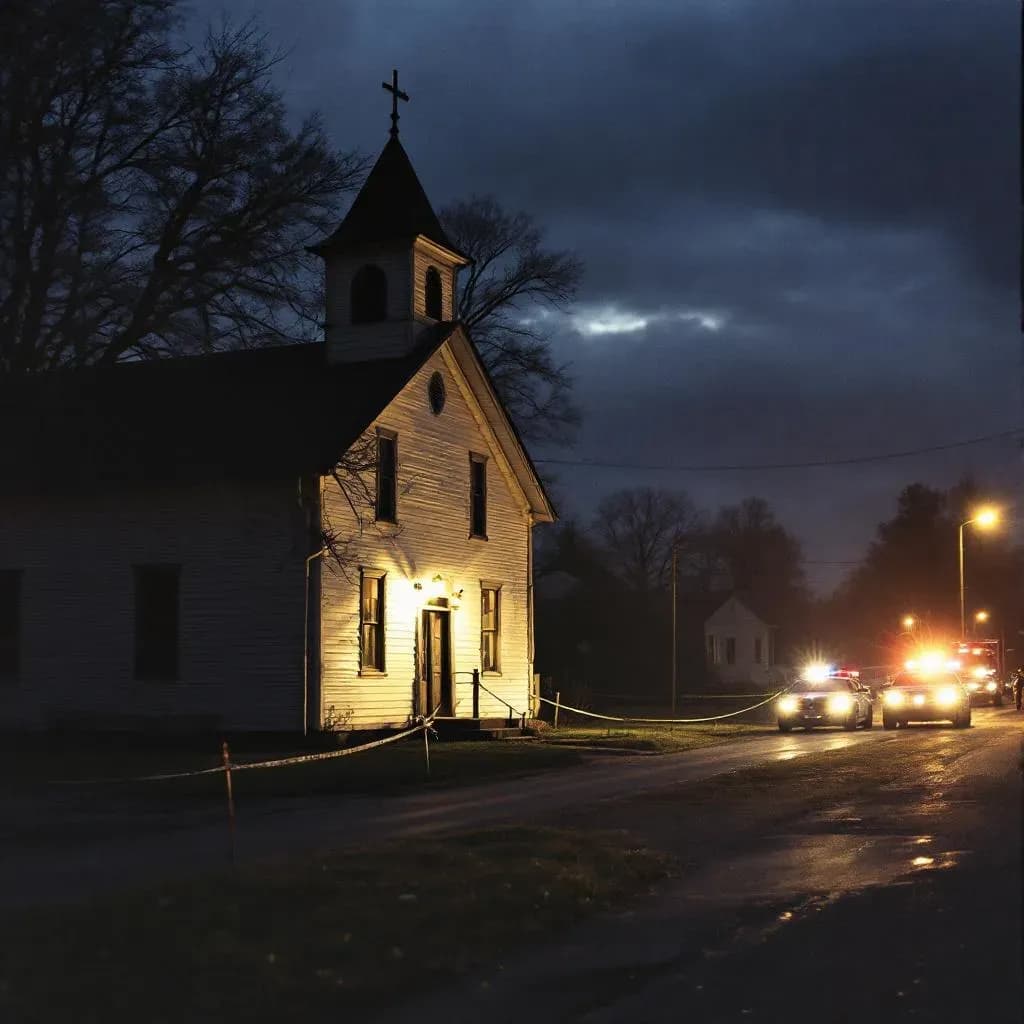
priest murder
Descriptive label for a homicide committed by a priest, not a Danish legal category
Definition
Priest murder is not a legal term in Danish criminal law, but a descriptive label for a homicide in which the perpetrator is a priest. In a true crime context, the word is used to identify cases where an otherwise trusted and respected religious office is combined with a serious crime — a contrast that gives such cases particular public and media attention.
Under Danish law, such acts are dealt with according to the ordinary rules of criminal law. The killing itself is typically assessed under the Danish Penal Code (straffeloven) § 237 on manslaughter, and the perpetrator's occupation as a priest does not constitute an independent aggravating circumstance in the sense of the statute. There is no separate statutory provision that increases or modifies the penalty solely because of the perpetrator's religious function.
In international true crime cases — for example Jeff Pelley's killing of his family in the United States in 1989, where the father was a priest — the term is used to underline the double betrayal: both the human and the moral office. By virtue of his position, a priest represents a community's trust and moral authority, and a killing committed by such a person is culturally perceived as a particularly serious breach of social norms.
The label priest murder thus functions primarily as a genre and context marker in true crime journalism and communication, not as a legal category. It describes the character of the case and the identity of the perpetrator rather than the legal classification of the crime.