Murder by the Baltic Sea
A descriptive label for homicide cases occurring in or near the Baltic Sea, not a fixed legal term. Jurisdiction depends on location, vessel flag state, and applicable federal or international maritime law.

Definition
"Murder by the Baltic Sea" is a descriptive phrase used in true crime contexts to refer to homicide cases associated with the Baltic Sea region, not a statutory term in U.S. federal criminal law. In legal terms, such a case would be analyzed as a homicide committed within maritime jurisdiction, with the applicable law determined by the location of the offense, the nationality of the vessel, and jurisdictional principles governing crimes at sea.
Under U.S. federal law, murders occurring on the high seas or within special maritime and territorial jurisdiction are prosecuted under 18 U.S.C. § 1111, the general federal murder statute. Jurisdiction is established through 18 U.S.C. § 7, which defines the special maritime and territorial jurisdiction of the United States to include American vessels on the high seas, certain waters within U.S. territorial limits, and other enumerated locations. The Supreme Court in United States v. Rodgers, 150 U.S. 249 (1893), clarified that federal jurisdiction extends to crimes committed on the high seas and within admiralty jurisdiction, reinforcing the reach of federal criminal law over maritime offenses.
For cases occurring outside any U.S. state or judicial district, venue provisions under 18 U.S.C. § 3238 allow prosecution in the district where the defendant is arrested or first brought. This ensures that federal courts retain jurisdiction over crimes committed in international waters or foreign territorial seas, provided other jurisdictional requirements are met. In practice, whether a murder "by the Baltic Sea" falls under U.S. law depends on factors such as the flag of the vessel, the nationality of the victim and accused, and the presence of a nexus to U.S. interests.
The Baltic Sea itself is bordered by multiple sovereign nations, including Germany, Poland, Sweden, Denmark, Finland, Estonia, Latvia, Lithuania, and Russia. Jurisdiction over a homicide in these waters typically rests with the coastal state if committed in territorial waters, or with the flag state if committed on a vessel in international waters. International treaties and maritime law principles, including the United Nations Convention on the Law of the Sea, govern jurisdictional conflicts and cooperation in investigating and prosecuting such offenses.
Related entries
Related articles

40 Years in the Shadows of Danish Murder
Arne Woythal spent four decades as a homicide detective in the Danish police force, investigating some of the country's most serious crimes. Now, through memoir and public speaking, the veteran investigator is sharing the untold stories from 25 years behind the scenes of murder investigations.
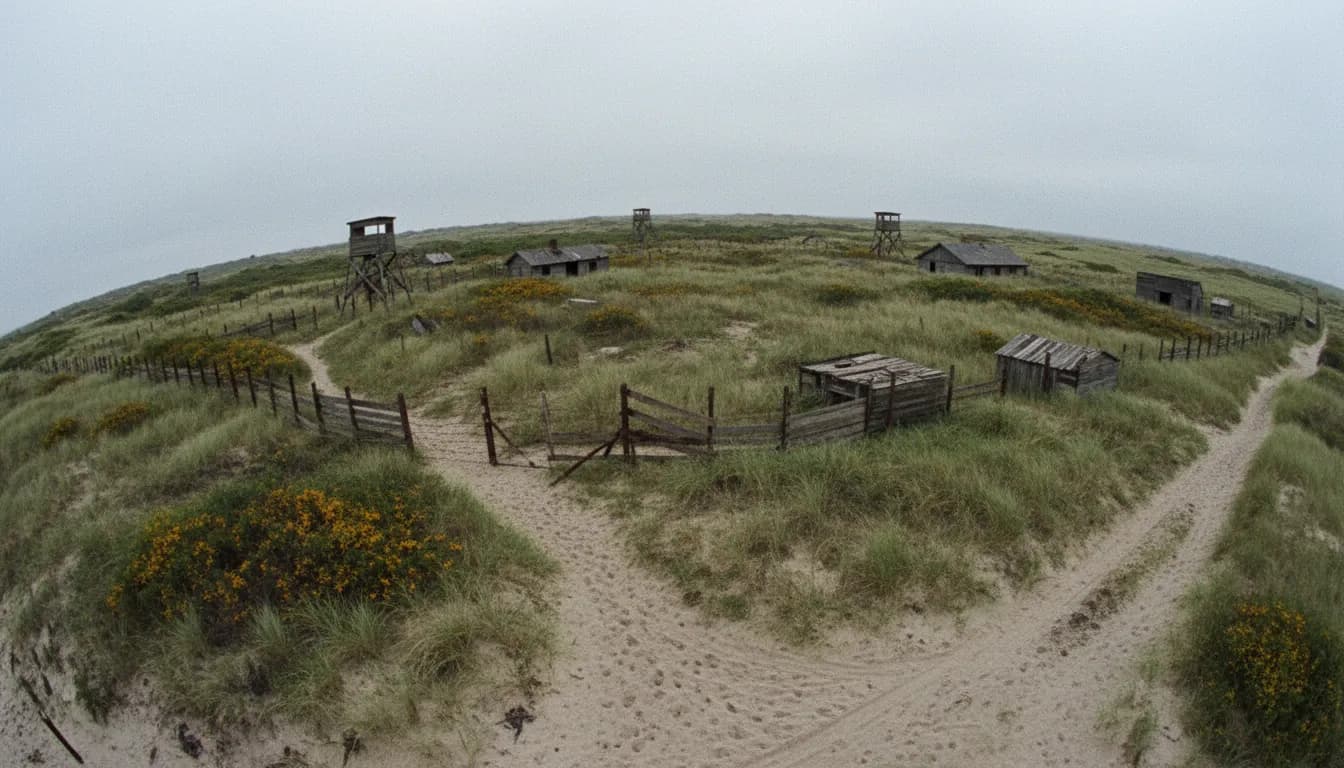
Danish Triple Murder: Bodies Found at Abandoned Military Campsite
A Danish true crime podcast has brought renewed attention to one of Scandinavia's most disturbing unsolved cases: three bodies discovered at an abandoned campground in a remote military zone on Denmark's west coast. The grim discovery was made by vacationing families who stumbled upon human remains in various states of decomposition.
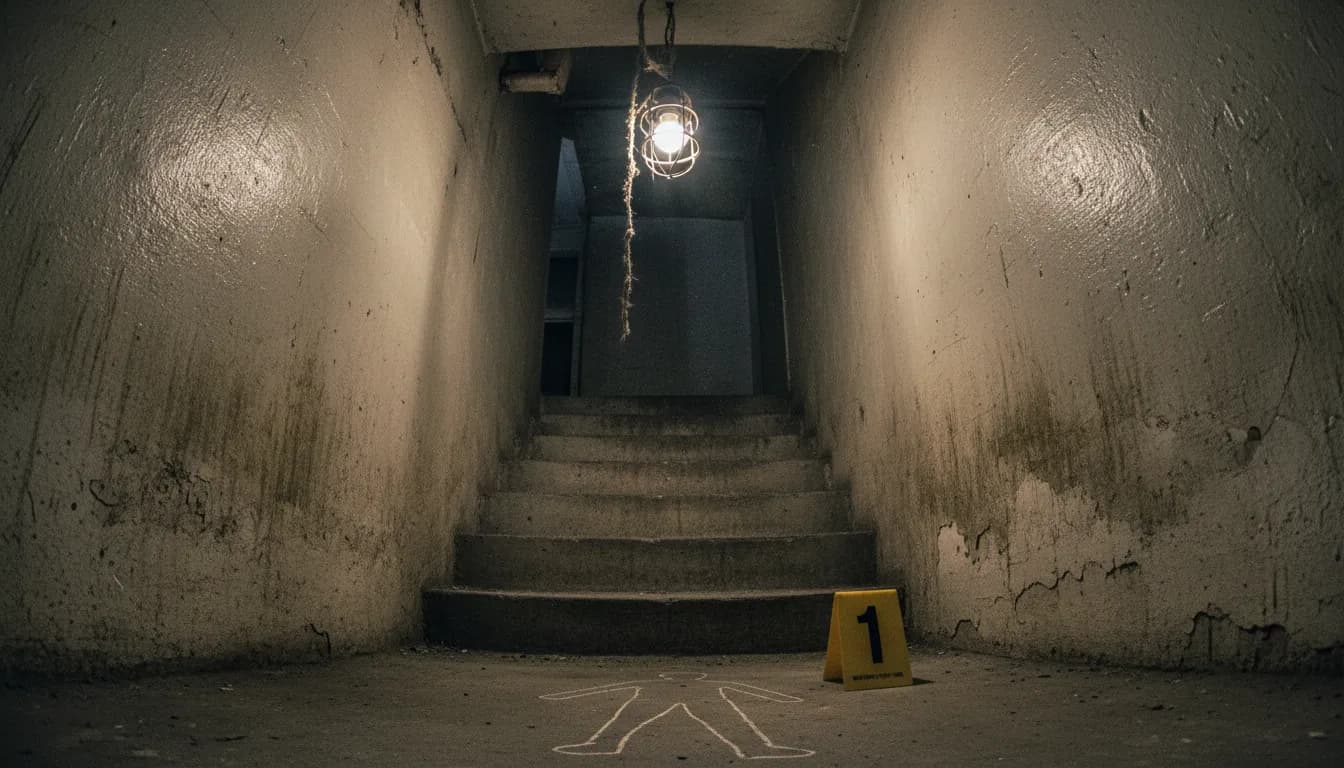
DNA, Doubt, and a Danish Hospital Murder
On October 23, 1990, a 20-year-old nurse's aide was found strangled in the basement of a Copenhagen-area hospital. The case that followed would test Denmark's emerging forensic science and raise enduring questions about justice—now revisited in a new podcast investigation.
When Childhood Bullies Become Murder Cases: The Wisecrack Podcast
British stand-up comedian Edd Hedges returned to his Essex hometown for a charity performance and discovered something unsettling: his childhood bully had committed a brutal double murder. The encounter inspired 'Wisecrack,' an unconventional true crime podcast that blends dark humor with serious criminal investigation.

The Dungeon: Inside Marc Dutroux's Chamber of Horrors
In the mid-1990s, Belgian serial killer Marc Dutroux constructed a concealed dungeon beneath his home in Marcinelle to imprison kidnapped girls as sex slaves. Despite multiple police visits to the property while victims remained captive, the case became a landmark example of systemic investigative failure.

Wisecrack: When a Comedian's Trauma Became a True Crime Investigation
British stand-up comedian Edd Hedges premiered the limited series podcast Wisecrack on September 2, 2025, blending his comedy set with a true crime investigation into a double homicide in his English hometown. Emmy-nominated producer Jodi Tovay discovered Hedges' darkly comic routine at Edinburgh Fringe Festival and spent years uncovering the story behind it.

The Amstetten Horror: 24 Years in Josef Fritzl's Basement
In April 2008, Austrian police discovered that Josef Fritzl had imprisoned his daughter Elisabeth in a concealed basement chamber for 24 years, subjecting her to repeated rape and forcing her to bear seven children in captivity. The case shocked Austria and revealed systematic failures in a family home in Amstetten.

34 Years After the Murder: Man Convicted of Killing Hanne With
23-year-old Hanne With was killed in her Copenhagen apartment on New Year's Day 1990. After 34 years without a resolution, Henrik Krogh Rasmussen was arrested and convicted of her murder.

Danish Podcast Examines Women Who Kill
The Danish true-crime podcast Danske Drabssager has launched a special series called 'Kriminelle Kvinder' (Criminal Women) that investigates real cases of female murderers and violent offenders in Denmark, featuring interviews with law enforcement, forensic experts, and women who have served prison sentences for serious crimes.

Mørkeland Episode 289: The Mystery at the Slaughterhouse
Mørkeland Episode 289 explores a criminal case that began with a phone call at a slaughterhouse office one Saturday in October. Hosts Camilla and Kristine dig into the dark history of the location and the circumstances that remain unresolved.

The 1953 Disappearance That Haunts Denmark
A six-year-old boy disappeared without trace on a summer evening in 1953 in Mørkeland, Denmark. As dinner time approached and his worried parents waited, the child simply vanished—a case that would leave Danish true crime archives incomplete.

Evil in Elgin: Nat Fraser Convicted for Wife's Murder
On 28 April 1998, Arlene Fraser disappeared from her home in Elgin, Scotland, after dropping her children at school. Three years later, her husband Nat Fraser was convicted of her murder at Edinburgh High Court, despite no body ever being recovered.