kvindelige seriemordere
A gendered true crime term for a woman who commits serial killings, defined under federal law as three or more killings with common characteristics suggesting the same perpetrator, without gender-based legal distinction.
Definition
Female serial killers are women who commit serial killings as defined in federal statute. Under 28 U.S.C. § 540B, serial killings constitute a series of three or more killings, not less than one of which was committed within the United States, having common characteristics such as to suggest the reasonable possibility that the crimes were committed by the same actor or actors. The statute defines "killing" as conduct that would constitute an offense under 18 U.S.C. § 1111 if federal jurisdiction existed.
The term "female serial killer" is a descriptive, gender-specific label used primarily in criminological research and true crime discourse. It does not represent a distinct legal category under federal or state criminal law. Federal statute makes no distinction between male and female perpetrators in defining serial killings; the gender designation serves only to identify the sex of the offender, not to establish separate legal elements, defenses, or sentencing considerations.
Under 28 U.S.C. § 540B, the Attorney General and the Federal Bureau of Investigation are authorized to investigate serial killings upon request from the head of a law enforcement agency with investigative or prosecutorial jurisdiction over the offense. This investigative authority applies regardless of the perpetrator's gender. The underlying criminal liability for each individual homicide is prosecuted under applicable federal or state murder statutes, with the serial nature of the offenses potentially influencing charging decisions, sentencing recommendations, and the allocation of investigative resources.
In true crime analysis, the term is used to examine patterns, methods, and motivations that may differ statistically between male and female serial offenders, but these differences carry no independent legal significance. All serial killings, regardless of the perpetrator's gender, are subject to the same constitutional protections, evidentiary standards, and sentencing frameworks applicable to homicide prosecutions generally.
Related entries
Read more
Gesche Gottfried: The Angel of Bremen's 15 Arsenic Victims
Gesche Margarethe Gottfried murdered 15 people with arsenic in early 19th century Bremen, Germany, earning the nickname 'The Angel of Bremen' for her caring demeanor while poisoning victims including her own parents and children.
Karl Denke: The Cannibal of Münsterberg
Karl Denke, a seemingly pious church organist in Münsterberg, Germany, murdered at least 30 people between 1903 and 1924. His crimes included cannibalism and selling human flesh as pork at local markets.
Paul Ogorzow: The S-Bahn Murderer of Nazi Berlin
Between 1940 and 1941, Paul Ogorzow terrorized wartime Berlin by attacking women on the city's S-Bahn railway system. The Nazi Party member killed at least eight women before his capture and execution.
Related articles

Netflix Doc Reframes Aileen Wuornos as a Victim of the System
Netflix has released the documentary series 'Aileen: Queen of the Serial Killers,' revisiting the case of American serial killer Aileen Wuornos, executed in 2002. The series argues she was made by lifelong trauma rather than innate evil.

Gesche Gottfried: The Angel of Bremen's 15 Arsenic Victims
Gesche Margarethe Gottfried murdered 15 people with arsenic in early 19th century Bremen, Germany, earning the nickname 'The Angel of Bremen' for her caring demeanor while poisoning victims including her own parents and children.
Karl Denke: The Cannibal of Münsterberg
Karl Denke, a seemingly pious church organist in Münsterberg, Germany, murdered at least 30 people between 1903 and 1924. His crimes included cannibalism and selling human flesh as pork at local markets.

Paul Ogorzow: The S-Bahn Murderer of Nazi Berlin
Between 1940 and 1941, Paul Ogorzow terrorized wartime Berlin by attacking women on the city's S-Bahn railway system. The Nazi Party member killed at least eight women before his capture and execution.

Rudolf Pleil: The Death Maker of Post-War Germany
Rudolf Pleil confessed to murdering at least nine women in the chaos of post-war Germany between 1946 and 1947. Operating along the border zones between East and West Germany, he preyed on refugees fleeing Soviet occupation.

Jürgen Bartsch: The Child Killer of the Ruhr Valley
Between 1962 and 1966, German teenager Jürgen Bartsch abducted, sexually assaulted, and murdered four young boys in abandoned mine shafts near Langenberg, West Germany. His case shocked the nation and transformed understanding of juvenile offenders.

Joachim Kroll: The Ruhr Cannibal's 21-Year Murder Spree
Joachim Kroll terrorized Germany's Ruhr Valley from 1955 to 1976, murdering at least 14 people. His arrest came only after a neighbor discovered human remains clogging the building's shared toilet.
Kristen Gilbert: The VAMC Nurse Who Killed Four Patients
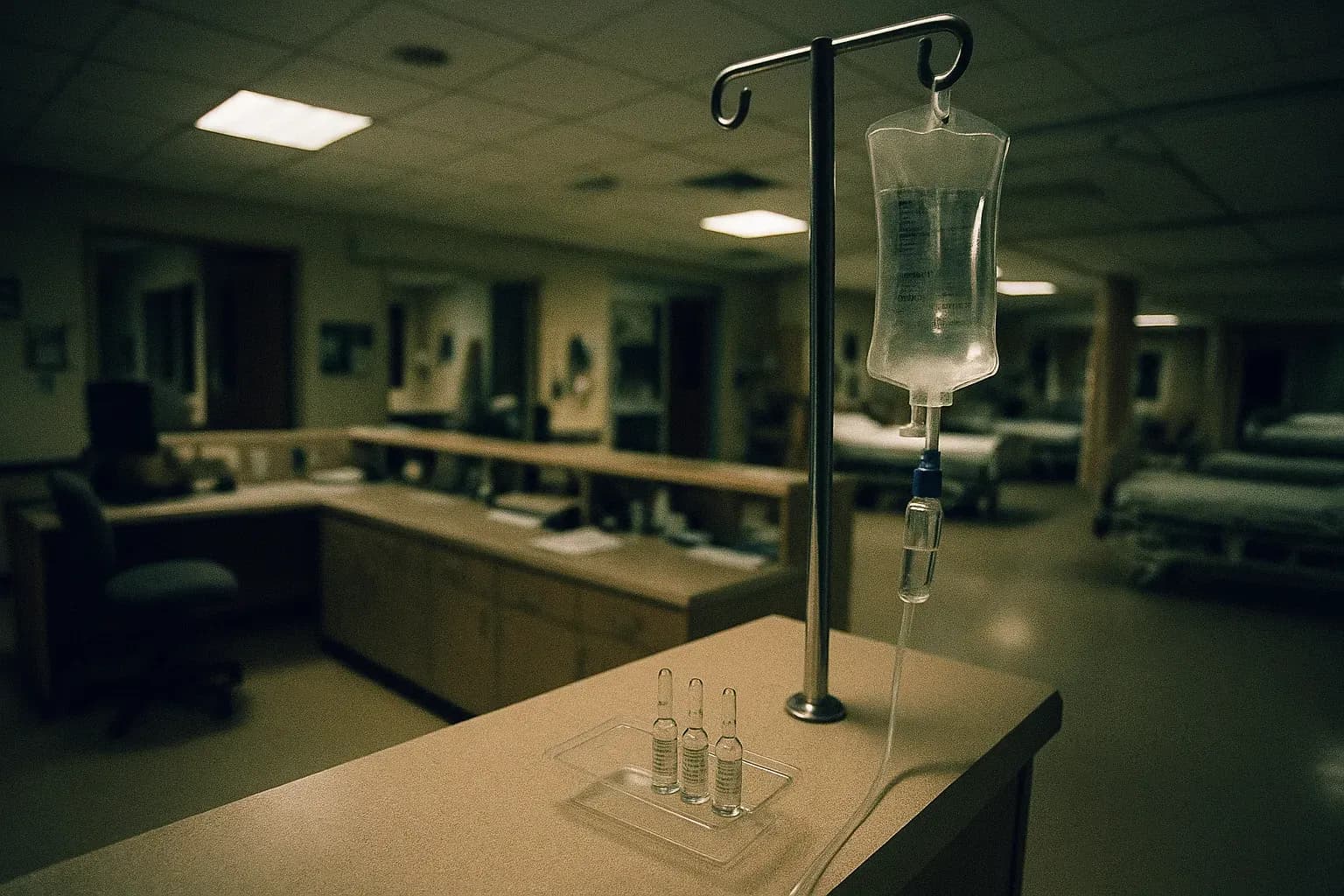
American nurse Kristen Gilbert was convicted in March 2001 of murdering four patients at the Veterans Affairs Medical Center in Northampton, Massachusetts, by injecting lethal doses of epinephrine into their IV bags between 1988 and 1996.