kultdynamikker
Psychological and social mechanisms within insular groups that facilitate control, obedience, and exploitation, often examined in true crime contexts involving collective criminal activity.

Definition
Cult dynamics refer to the patterns of behavior, psychological manipulation, and social control mechanisms that operate within closed, authoritarian groups, particularly those led by charismatic leaders. While not a distinct legal category in U.S. federal criminal law, these dynamics become legally relevant when they facilitate prosecutable offenses such as fraud, coercion, kidnapping, or conspiracy.
The term describes specific mechanisms including isolation from outside influences, creation of us-versus-them mentalities, indoctrination through repetitive messaging, exploitation of emotional vulnerabilities, and establishment of hierarchical power structures that demand absolute obedience. These dynamics often involve sleep deprivation, controlled information environments, public confession or humiliation rituals, and financial exploitation of members.
In federal prosecutions, cult-related criminal activity is typically charged under existing statutes rather than as a separate offense. Common charges include conspiracy to commit offense or defraud, mail and wire fraud, tax evasion, forced labor, sexual exploitation, and in extreme cases, murder or terrorism-related offenses. The psychological control mechanisms may be presented as evidence of intent, ongoing criminal enterprise, or methods of coercion.
True crime literature extensively documents cases where cult dynamics enabled systematic criminal behavior, including financial fraud schemes, child abuse, sexual assault, weapons violations, and homicide. Notable federal prosecutions have involved groups where leaders used psychological manipulation to maintain control while orchestrating criminal enterprises. The dynamics themselves serve as context for understanding how otherwise rational individuals participated in or failed to report serious crimes.
From an evidentiary perspective, expert testimony on cult dynamics may be admitted to explain victim behavior, demonstrate patterns of coercive control, or establish the mental state required for specific charges. However, courts remain cautious about allowing generalized testimony that might prejudice juries against unconventional religious or social groups absent concrete criminal conduct.
Related entries
Read more
Related articles

Killed Just Steps From Home: The Laura Connelly Case
Laura Connelly left a bar in Paisley near Glasgow after an evening with old school friends, but never made it home. Attacked and killed within sight of her doorstep, her case became the focus of a gripping podcast investigation into how a killer struck so close to safety.

Jade Janks Killed Her Stepfather on New Year's Eve 2020
This case concerns the killing of 64-year-old Thomas Merriman by his stepdaughter Jade Sasha Janks on New Year's Eve 2020 in Solana Beach, California. A California jury convicted Janks of first-degree murder, and she was sentenced to 25 years to life in prison.

Podcast Examines Florida Vice Mayor's Death in Domestic Violence Case
A popular true crime podcast has featured the case of Nancy Metayer Bowen, a 38-year-old Florida vice mayor found dead in her home in April 2026. The episode, which aired internationally, examines her death as a domestic violence homicide and the subsequent arrest of her husband.
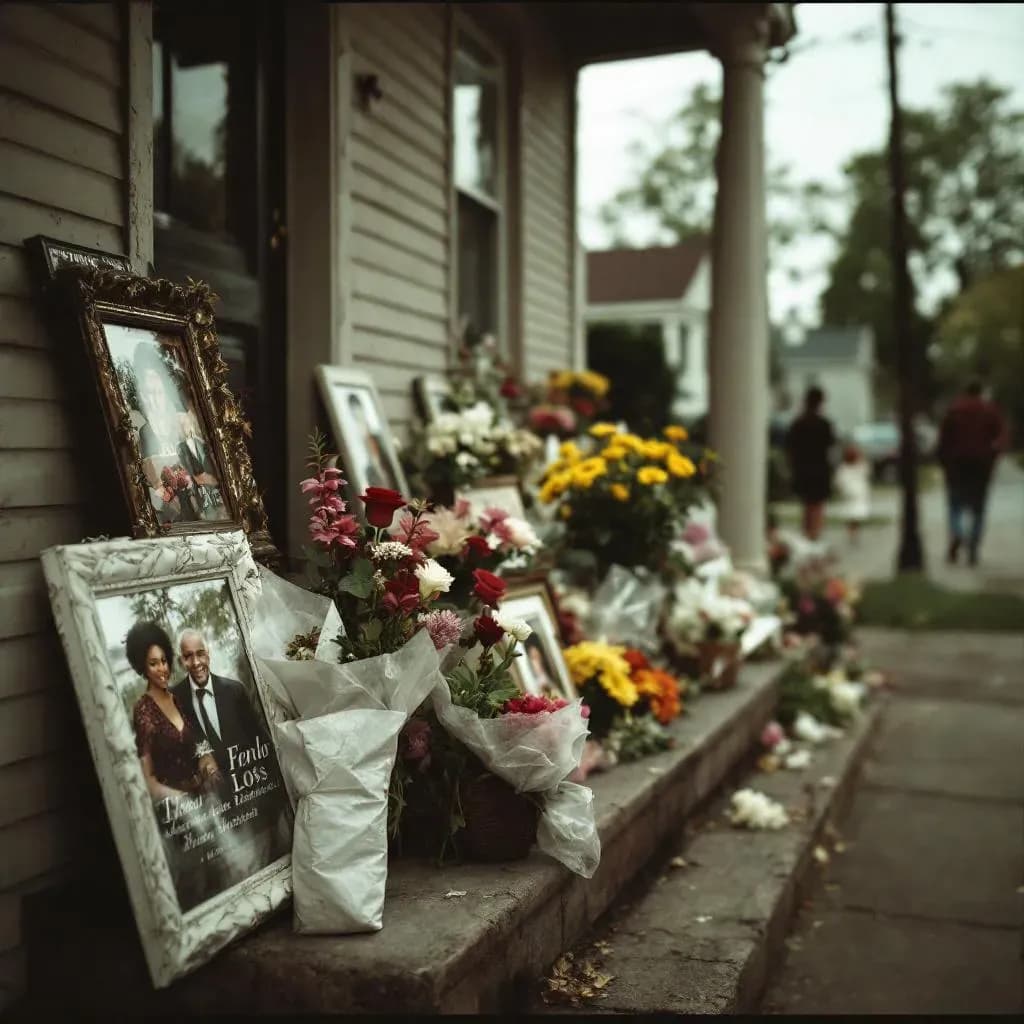
Black Girl Gone: Amplifying Missing and Murdered Black Women
Black Girl Gone launched approximately five years ago with a focused mission: to investigate and humanize cases of missing and murdered Black women and girls who have been overlooked by mainstream media. Available on Apple Podcasts, Spotify, and other platforms, the podcast has published nearly 300 episodes of in-depth true crime storytelling.