investigation in Denmark
The process by which Danish police and prosecution authorities investigate suspected criminal offenses to gather evidence, identify perpetrators, and determine whether charges should be brought.

Definition
Efterforskning in Denmark refers to the criminal investigation conducted by police (politiet) and the prosecution authority (anklagemyndigheden) when there is information or evidence suggesting that a criminal offense may have occurred. The investigation begins when police receive reports, complaints, or other intelligence indicating possible criminal activity, and continues until the case is either solved, charges are filed, or the investigation is discontinued due to insufficient evidence.
The Danish criminal investigation process is governed by the Administration of Justice Act (Retsplejeloven), which establishes the legal framework for how police may collect evidence, conduct searches, make arrests, and interrogate suspects and witnesses. The prosecution authority directs the investigation and makes key decisions about investigative measures, though day-to-day investigative work is carried out by police officers and detectives.
During an investigation, police employ various methods to gather evidence, including forensic examination of crime scenes, witness interviews, suspect interrogations, surveillance, searches of premises and vehicles, seizure of physical evidence, and analysis of digital data. The investigation must respect fundamental rights and procedural safeguards, including rules about when coercive measures such as arrest, detention, or wiretapping may be used.
The goal of efterforskning is to establish whether a criminal offense has been committed, identify who is responsible, and collect sufficient evidence to support a prosecution. Once the investigation is complete, the prosecution authority decides whether to bring charges, issue a penalty notice for minor offenses, or dismiss the case. In serious cases, the investigation may involve collaboration with specialized units such as the National Police (Rigspolitiet) or the Danish Security and Intelligence Service (PET).
Related entries
Related articles
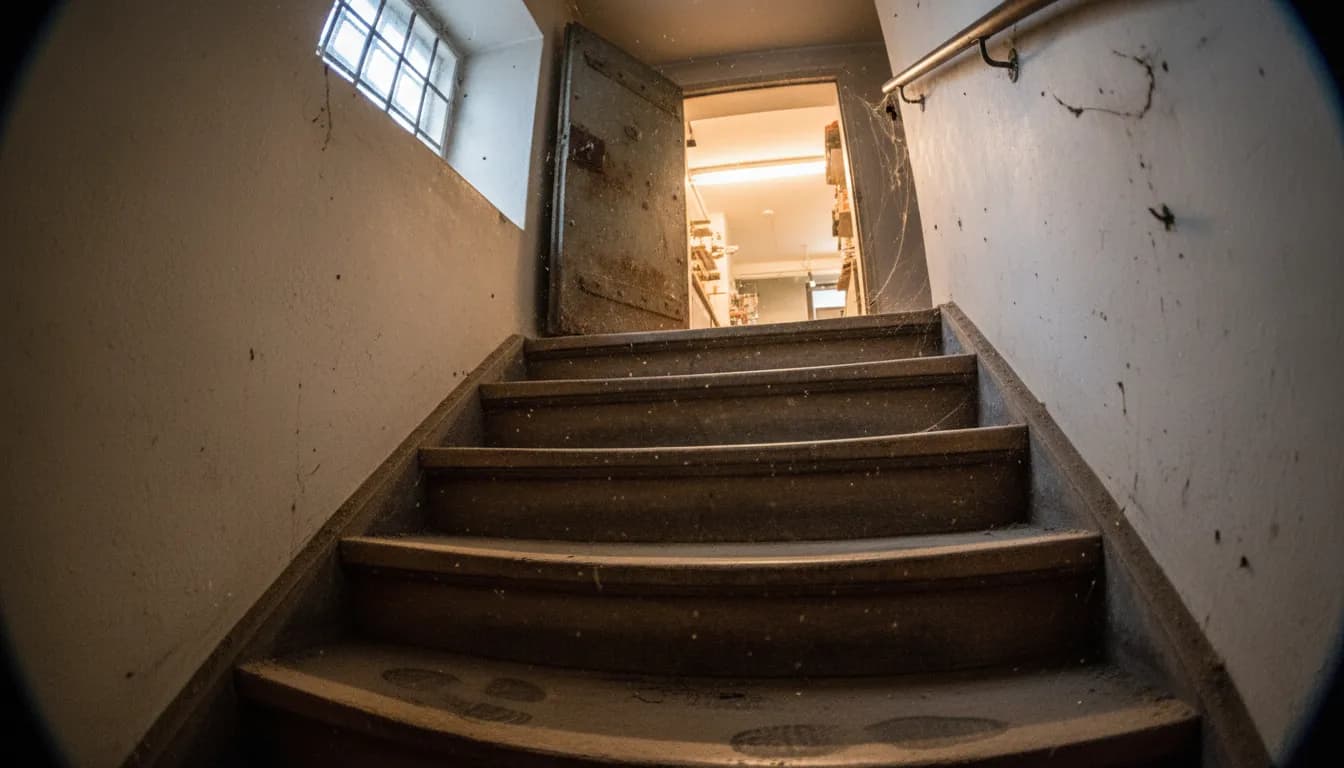
Masked Man in the Basement: A Danish True Crime Case
A Danish true crime podcast has documented a disturbing case involving a masked intruder who lay in wait in a basement. The episode, part of the Mørkeland series, delves into the details of this alarming home invasion case.

Cryptic Letter Uncovers Tragedy in Valby
A young man arrived at his mother's allotment house in Valby on a red motorcycle with his 7-year-old son, claiming his wife and daughter were hospitalized. When the boy vanished and a cryptic letter arrived, what followed was an investigation into a tragedy that shook the Danish community.
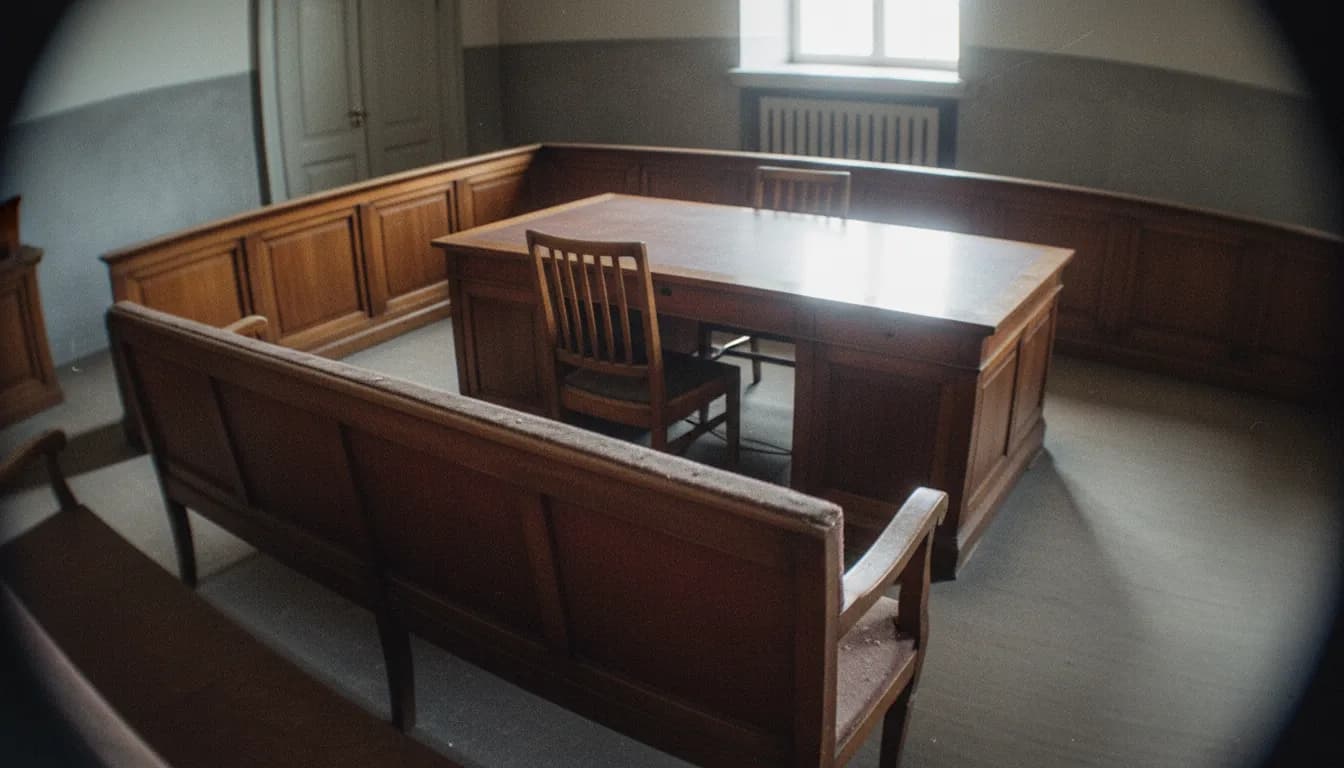
Danish Podcast Explores: Can a Dead Suspect Be Convicted?
Crime reporter Stine Bolther's podcast Danske Drabssager tackled a complex legal question on February 10, 2026: whether Danish courts can convict a deceased murder suspect. The episode brought together former investigators and prosecutors to explore the intersection of criminal law and mortality.
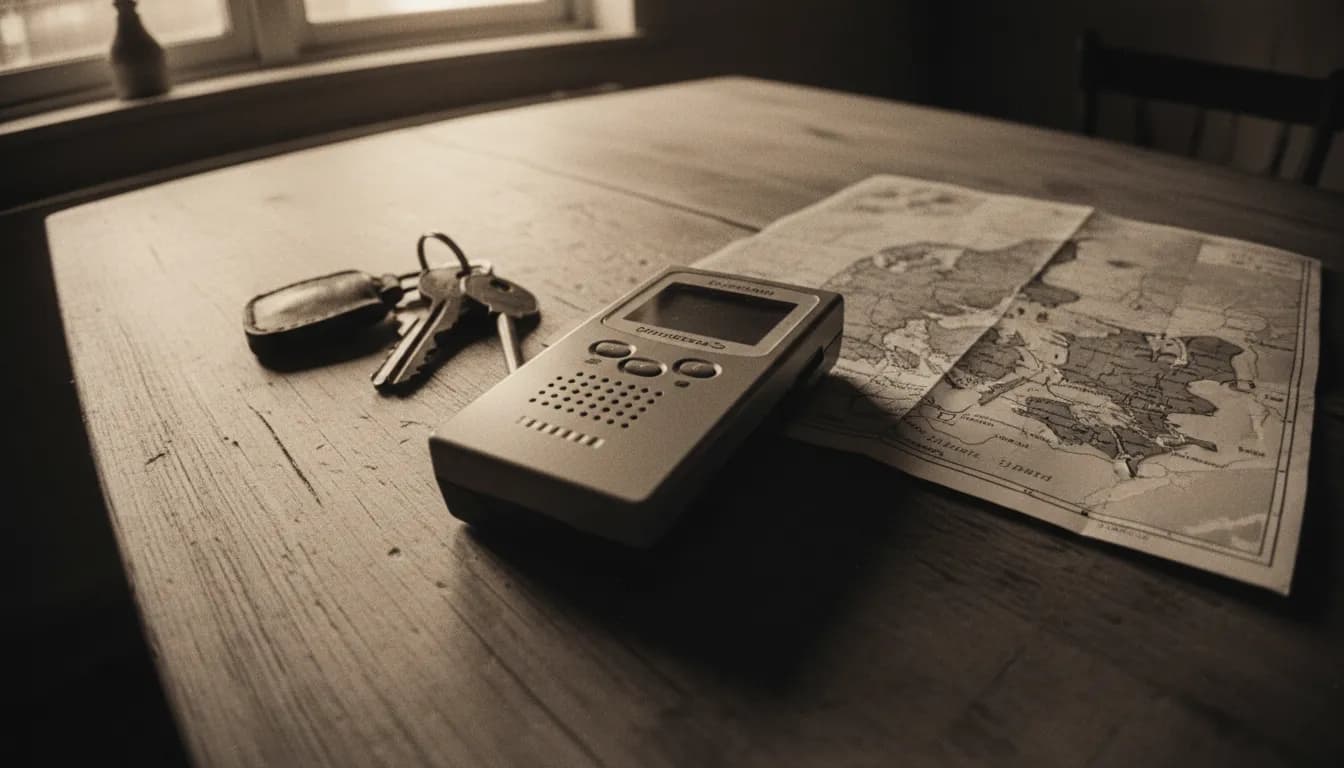
Danish Podcast Uncovers 'Murderous Plan' in Djursland Case
Host Stine Bolther investigates a case in Djursland near Randers, Denmark, that involves a meticulously planned murder, a pregnant woman, and audio evidence so damning that the victim reportedly warned relatives it might happen. The 43-minute episode premiered February 3, 2026, on the true crime podcast Danske Drabssager.

When Control Becomes Murder: The Alice Ruggles Case
Harry Gunn murdered his ex-girlfriend Alice Ruggles on September 25, 2016, in Gateshead, England, after months of obsessive stalking that included demands for location proof and outfit approval. His conviction exposed a pattern of escalating coercive control that ended in tragedy.
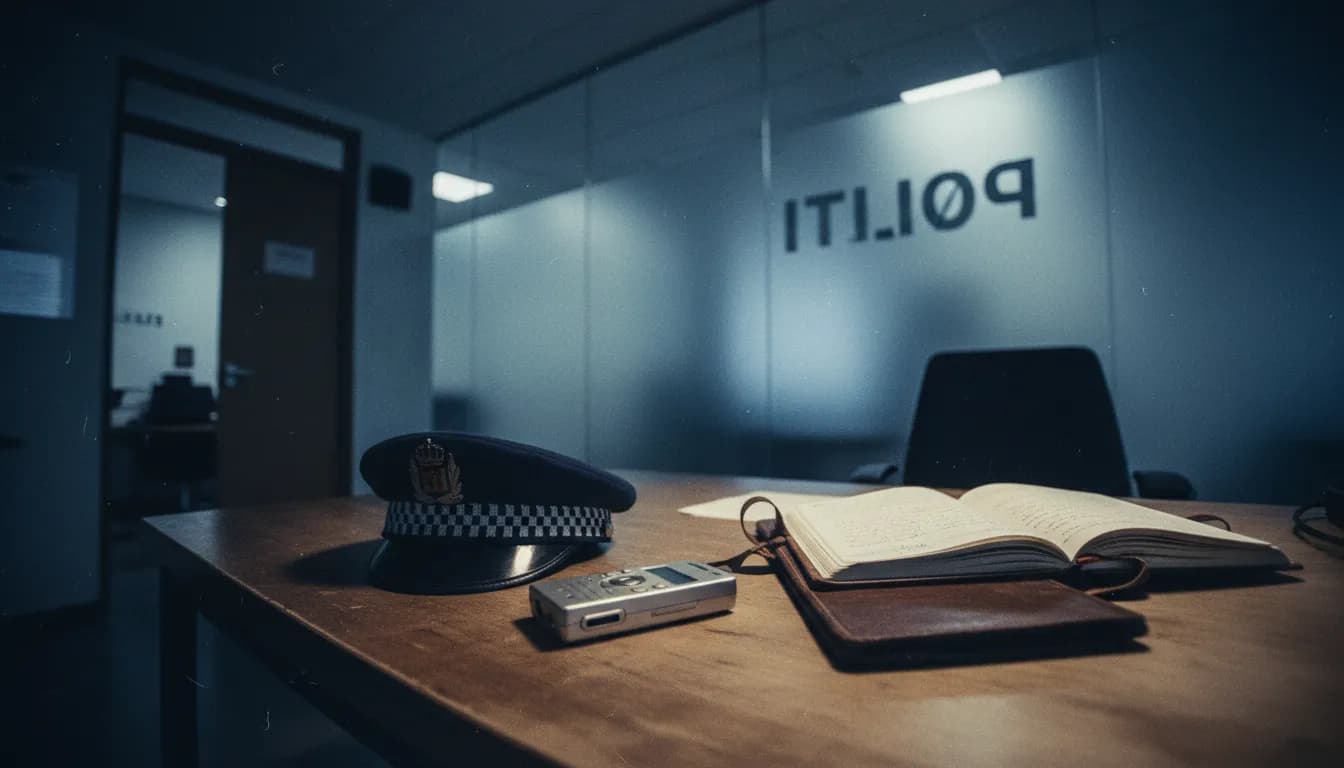
Stine Bolther Examines Police Investigations in Danish Crime Podcast
Stine Bolther, a Danish journalist and legal correspondent with nearly two decades of crime reporting experience, continues her work analyzing real criminal cases through the Danske Drabssager podcast series. Known for her detailed examination of police investigations and forensic evidence, Bolther explores the complexities of Danish murder cases.