Incest
Understanding hidden family violence and its devastating consequences
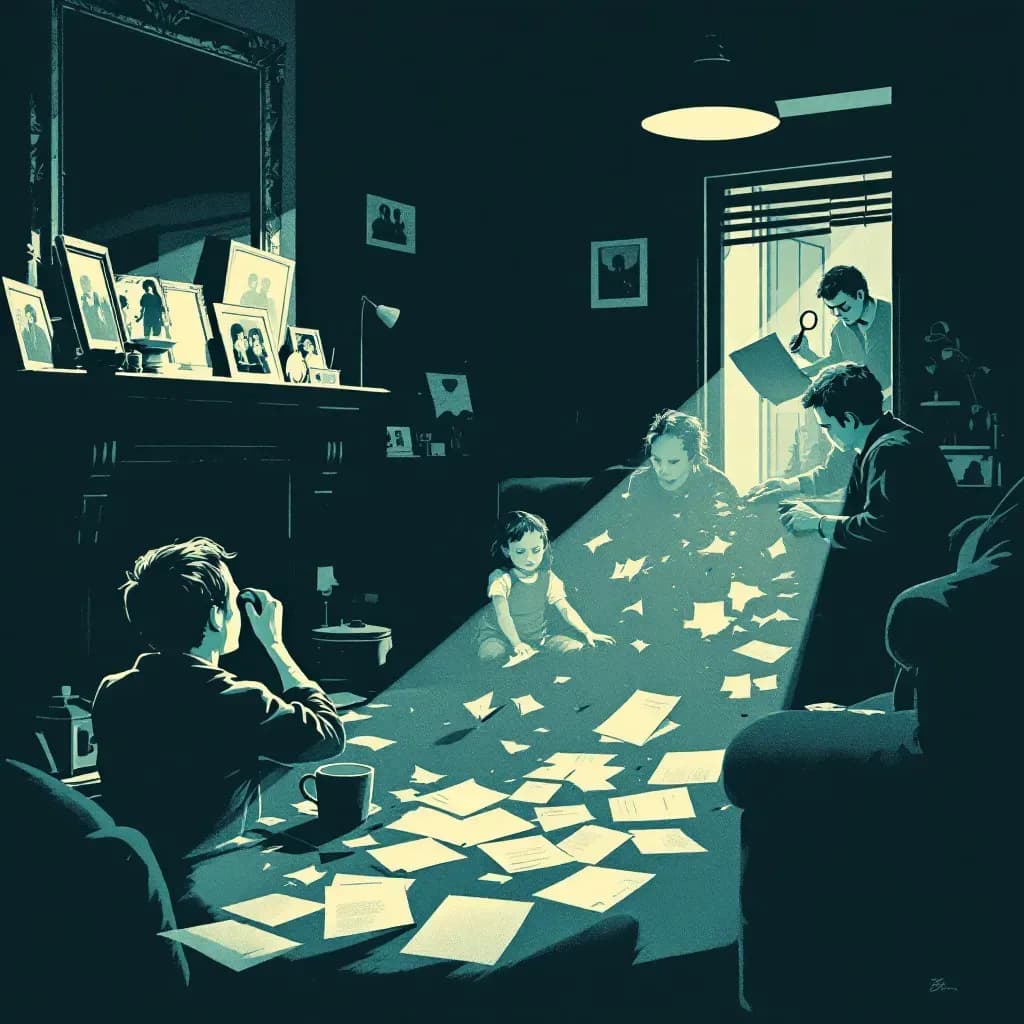
Definition
Incest is a taboo crime and form of family violence that leaves deep scars. Understand the breach of trust, power imbalance, and complex investigations in true crime cases.
Understanding hidden family violence and its devastating consequences
What is incest, and why is it so damaging?
Incest refers to sexual abuse and constitutes a serious form of family violence where one family member abuses another – typically a child or a vulnerable person within the close family circle. It is one of the most taboo forms of crime. This type of offense is particularly devastating because it occurs in what should be the safest environment and is characterized by a fundamental breach of trust, as well as an often significant power imbalance between the perpetrator and the victim. These abuses often hide behind a seemingly normal family facade.
Why are incest cases so tough for investigators to solve?
Within the true crime genre, sexual abuse in the family, specifically incest, often emerges as a hidden tragedy whose gradual uncovering can shake an entire community. It can also appear as a dark background factor that helps explain later violent or criminal behavior in either victims or perpetrators. Investigating incest cases is notoriously complex. The close family relationship, fear of the family's disintegration or further reprisals, and deep shame and guilt in the victim can make reporting and testifying extremely difficult. Prosecution is further complicated by the fact that the abuse typically occurs in isolation, without other witnesses, and victims' memories can be fragmented due to severe trauma and the psychological consequences of the abuse.
Why understanding the effects of incest is vital in true crime
The long-term consequences for victims of incest are often severe and lifelong, encompassing childhood trauma that can develop into mental health disorders such as PTSD, depression, and anxiety. Some victims may develop symptoms classified as mental illness. Additionally, problems with relationships, self-esteem, and a generally distorted perception of trust and intimacy are common. Understanding incest and its profound effects is therefore essential in true crime. It sheds light on the complex psychological dynamics that can lead to incomprehensible actions and underscores the lasting scars these abuses leave. These cases continue to pose a major challenge to the justice system and society's efforts to protect its most vulnerable members from this form of family violence.
Incest cases often reveal shocking family dynamics and psychological trauma. What does incest look like in practice? Read our harrowing cases on the subject below.
Related articles

The Amstetten Horror: 24 Years in Josef Fritzl's Basement
In April 2008, Austrian police discovered that Josef Fritzl had imprisoned his daughter Elisabeth in a concealed basement chamber for 24 years, subjecting her to repeated rape and forcing her to bear seven children in captivity. The case shocked Austria and revealed systematic failures in a family home in Amstetten.
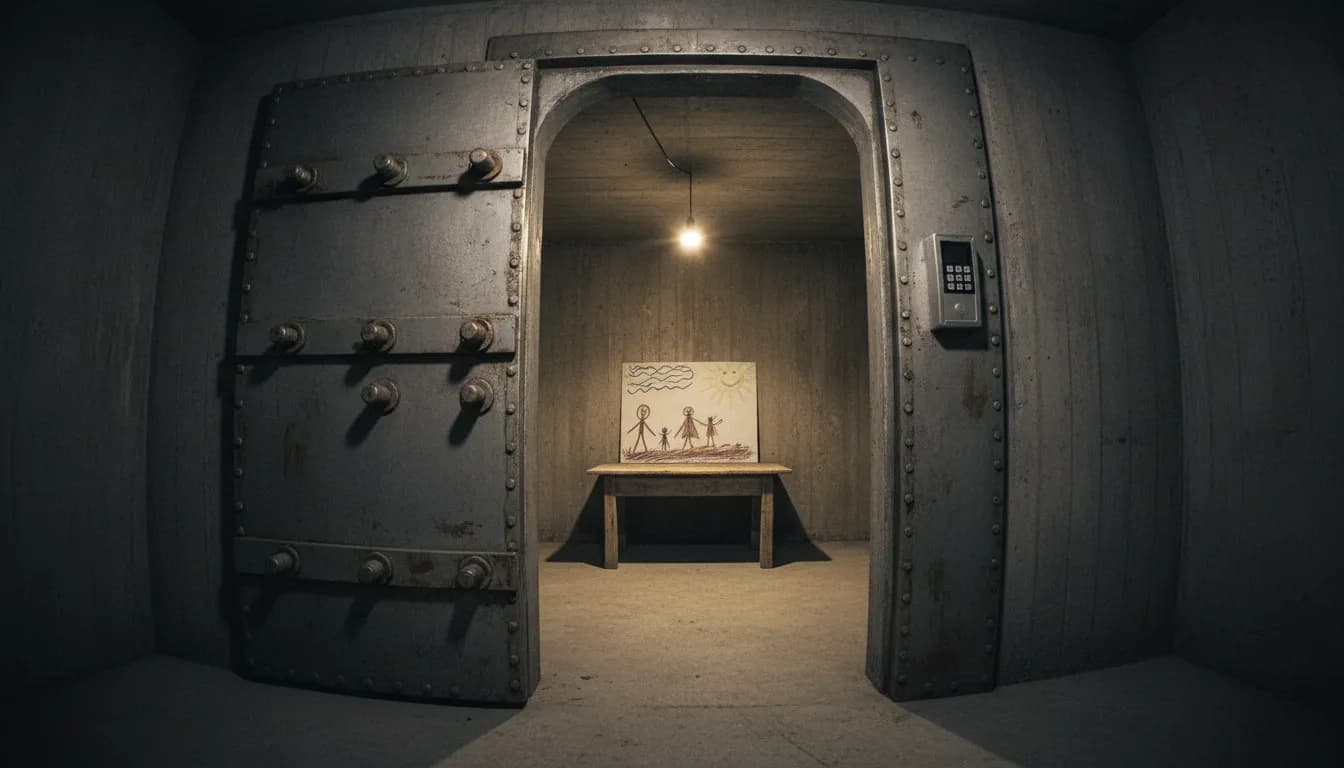
The Monster of Amstetten: 24 Years in a Basement
In August 1984, Josef Fritzl lured his 18-year-old daughter Elisabeth into the basement of their Amstetten home and imprisoned her for 24 years. During her captivity, he raped her repeatedly and fathered seven children in a windowless cellar chamber. The case remained hidden until 2008, when Elisabeth's escape exposed one of Europe's most shocking crimes.