gang legislation
Informal term for the Danish laws and tools used to combat gang crime.
Definition
Gang legislation is an informal term for the complex of laws and provisions used to combat gang crime in Denmark. Under Danish law there is no separate statute bearing this name; the term covers a range of criminal-law and administrative tools aimed specifically at criminal gangs and biker circles. The so-called gang package (bandepakken) of 2009 introduced tightenings in the Danish Penal Code (straffeloven), including stricter penalties for crime committed in connection with a gang or group.
The legislation comprises both general penal provisions on violence, weapons, threats and narcotics, and special aggravating circumstances where offences are committed as part of gang-related activity. In addition, gang legislation contains tools such as residence and assembly zones, under which persons affiliated with particular gangs can be banned from moving about in defined areas. The police can also impose bans on certain biker insignia or symbols in publicly accessible places.
Gang legislation has been adjusted several times since 2009 with further tightenings, including increased sentencing ranges and expanded police powers. The purpose is to weaken criminal gang environments through both repressive and preventive measures that make it more difficult to run organised crime.
Related entries
Read more
Related articles
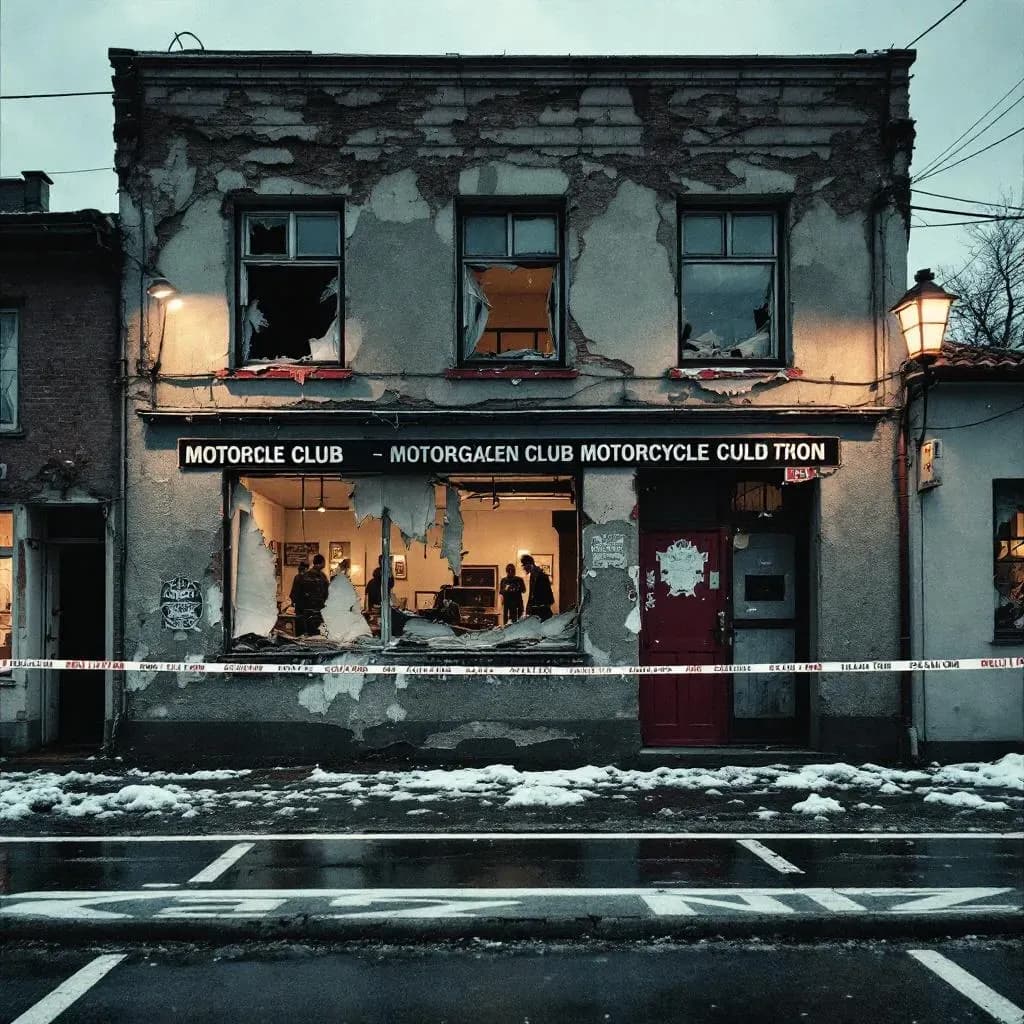
Alt om Den Store Nordiske Rockerkrig 1994: det samlede medieoverblik
Fra begyndelsen af 1994 til efteråret 1997 rasede Den Store Nordiske Rockerkrig mellem Hells Angels og Bandidos i Norden. Konflikten kostede 11 mennesker livet og resulterede i 74 drabsforsøg, inden en fredsaftale blev indgået i september 1997.
Nordic Biker War 1994-1997: Hells Angels vs Bandidos
Nordic Biker War 1994-1997: Hells Angels vs Bandidos. See what media, podcasts and series have told about the case.