FBI Behavioral Science Unit profiling
Adfærdsbaseret kriminalprofilering udviklet af FBI's Behavioral Science Unit som efterforskningsmetode i amerikanske sager. Anvendes til at analysere gerningspersonens psykologi, motiver og adfærdsmønstre. Bruges som støtte i efterforskning af alvorlig kriminalitet, herunder seriemord og voldtægt.
Definition
Read more
Related articles

Ted Bundy Created FBI's Criminal Profiling After 30 Murders
Ted Bundy killed at least 30 women between 1974 and 1978, but his greatest legacy was the FBI's Behavioral Science Unit. The charismatic law student didn't match police profiles of a murderer, forcing authorities to rethink their approach to violent crime.
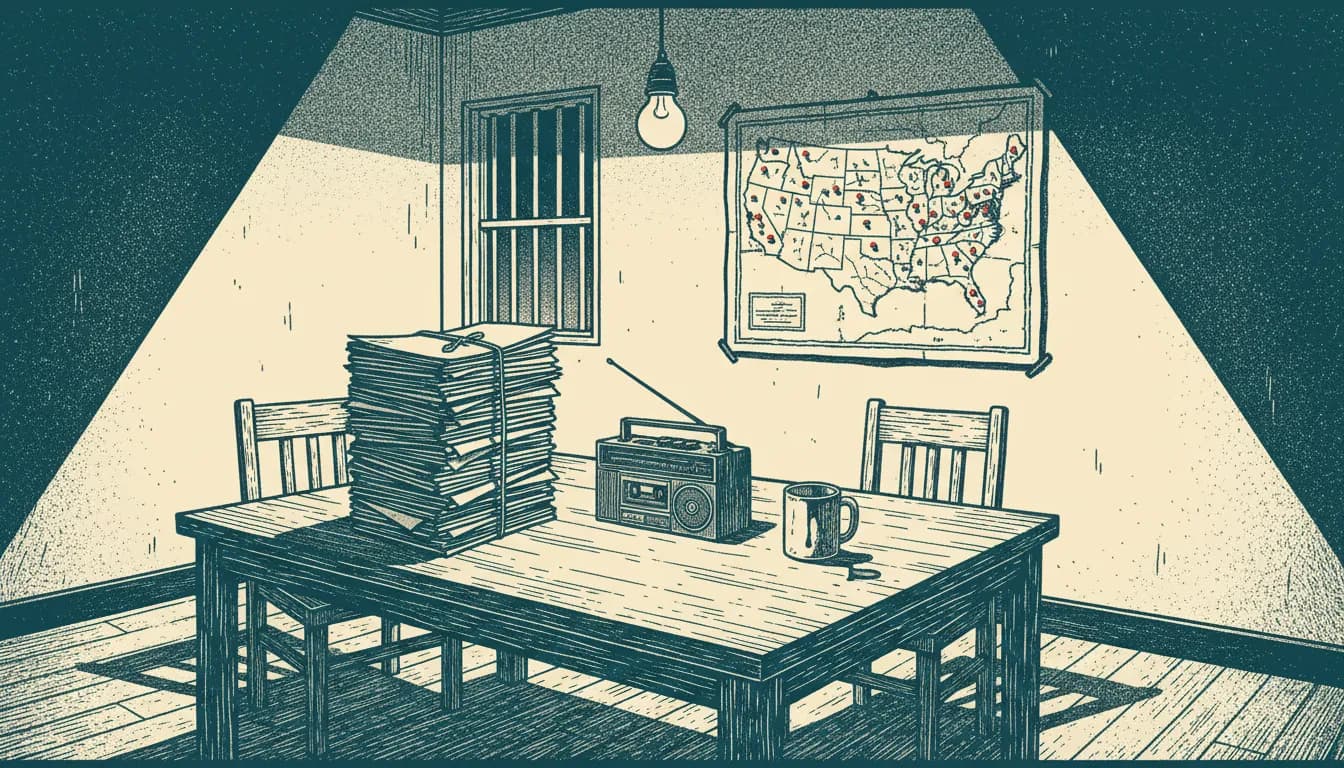
The Confession Killer: Henry Lee Lucas and 600 Lies
Henry Lee Lucas confessed to around 600 murders between 1983 and 1985, but investigators later determined most were fabrications. The case exposed dangerous interrogation practices that allowed a convicted killer to manipulate law enforcement across multiple states.
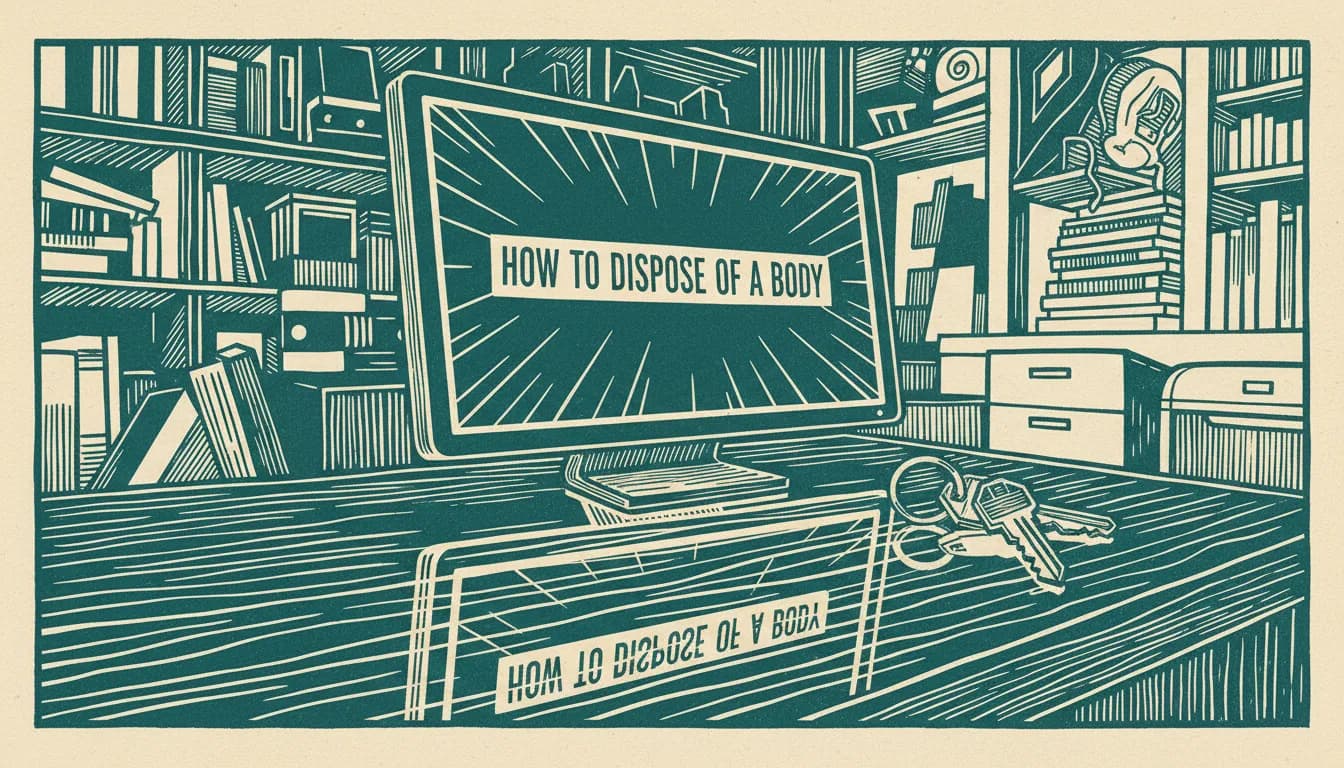
Brian Walshe: Google Searches Exposed the Murder
Brian Walshe was charged with the murder of his wife Ana Walshe, who disappeared around New Year 2022–2023. Analysis of Google searches on his son's iPad revealed queries about body disposal and forensic evidence.

Copenhagen's Murder Detective Turns Poet: Inside Nordic Police Work
A senior homicide investigator from Copenhagen Police has published a genre-bending account of how Danish authorities solve murders, blending procedural detail with lyric narrative. The book offers rare international insight into Nordic criminal investigation methods and the human toll of cold cases.

Ann Wolbert Burgess: Nursing Pioneer Who Reshaped Criminal Justice
Ann C. Wolbert Burgess, born in 1936, became the first woman on the FBI's Behavioral Science Unit and a pivotal expert witness in high-profile criminal trials—from the Menendez brothers case to serial killer investigations—fundamentally changing how the justice system understands trauma and criminal behavior.