Economic fraud
A general term for financially motivated deception offenses prosecuted under various federal fraud statutes, including mail fraud, wire fraud, bank fraud, and false claims against the government.

Definition
Economic fraud is financially motivated deceptive conduct that results in the unlawful taking of money, property, services, or government benefits through false statements, misrepresentation, concealment, or fraud. It is not a single, standalone offense in U.S. federal criminal law, but rather an umbrella term covering nonviolent, financially driven crimes prosecuted under multiple fraud statutes.
The most commonly invoked federal statutes for economic fraud include mail fraud under 18 U.S.C. § 1341, wire fraud under 18 U.S.C. § 1343, bank fraud under 18 U.S.C. § 1344, and false claims against the United States under 31 U.S.C. § 3729. Wire fraud has become particularly central to modern economic fraud prosecutions because it applies to schemes involving interstate communications such as emails, phone calls, and electronic fund transfers.
Economic fraud distinguishes itself from violent crime by its nonviolent nature and from other property crimes by its reliance on deception rather than force or stealth. The perpetrator typically creates a false impression or conceals material facts to induce the victim to voluntarily transfer assets or benefits. Common examples include investment fraud, insurance fraud, identity theft for financial gain, procurement fraud, and benefit fraud.
Prosecution of economic fraud at the federal level typically requires proof of a scheme to defraud, materiality of the deception, intent to defraud, and in many cases, use of interstate wires or mail. Federal prosecutors often charge multiple fraud statutes in a single indictment when the conduct touches different fraud mechanisms or victims. Sentencing in economic fraud cases often considers the amount of loss, the number of victims, and whether vulnerable populations were targeted.
In true crime literature and media, economic fraud encompasses high-profile cases such as Ponzi schemes, corporate accounting fraud, securities fraud, and large-scale embezzlement. These cases attract public attention when they involve significant dollar amounts, breach of trust by professionals or public officials, or widespread harm to investors, consumers, or taxpayers.
Related entries
Related articles
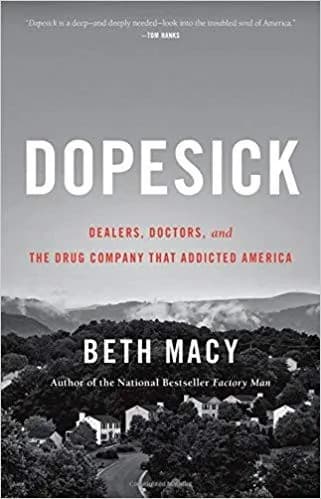
Dopesick
Beth Macy chronicles the devastating spread of opioid addiction from Appalachian Virginia outward through American communities, from Purdue Pharma's deliberate deception of prescribers to the families and first responders struggling to contain a man-made epidemic. The book centres the human toll of individual lives destroyed while simultaneously indicting the corporate, regulatory and medical failures that produced the crisis.
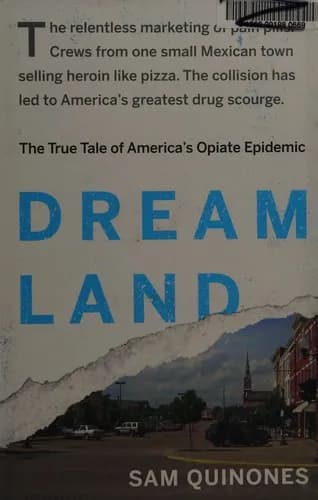
Dreamland
Sam Quinones traces America's opioid epidemic from Purdue Pharma's aggressive marketing of OxyContin in the 1990s through the simultaneous rise of highly efficient Mexican black-tar heroin distribution networks in small American towns. The book interweaves corporate pharmaceutical greed, individual addiction stories and the systematic devastation of rural and working-class communities into a sweeping social investigation.
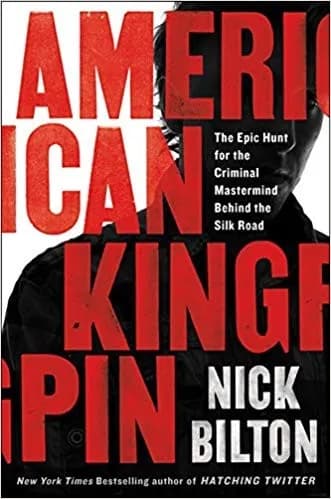
American Kingpin
Nick Bilton traces the idealistic trajectory of Ross Ulbricht, who founded the dark-web drug marketplace Silk Road on libertarian principles before it became a billion-dollar criminal enterprise operating through bitcoin. The book charts the rise and catastrophic fall of an online empire and the multi-agency federal investigation that ultimately identified, located and arrested its pseudonymous architect.
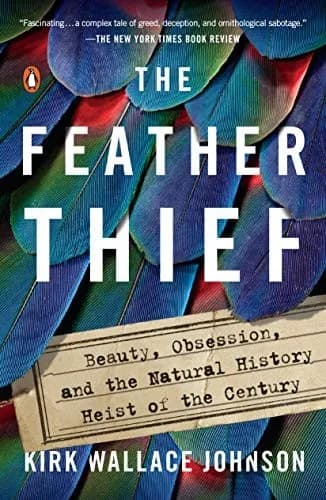
The Feather Thief
Kirk Wallace Johnson recounts the bizarre June 2009 overnight heist in which twenty-year-old American flute prodigy Edwin Rist broke into the Natural History Museum at Tring and stole 299 irreplaceable Victorian bird specimens. The book blends natural history, obsessive fly-tying subculture and genuine crime to produce a wholly unexpected and thoroughly absorbing true-crime narrative.
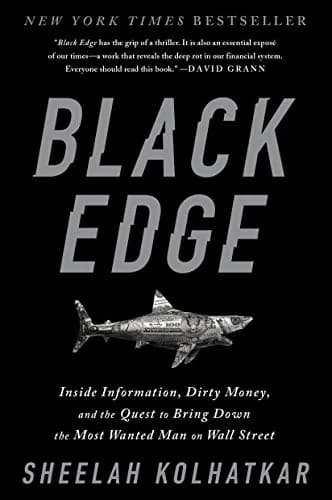
Black Edge
Sheelah Kolhatkar investigates the insider-trading culture at Steven Cohen's hedge fund SAC Capital Advisors and the years-long federal effort to build a case against one of Wall Street's most powerful figures. The book reveals the institutional normalisation of 'edge'-illegally obtained information-and unflinchingly examines the structural limits of prosecuting financial crime at the highest levels.
A Gentleman and a Thief
Dean Jobb profiles Arthur Barry, the charming 1920s jewel thief who successfully robbed some of the wealthiest families of the Jazz Age elite across Long Island and New England. The book vividly recreates Prohibition-era glamour and the exploits of a gentleman criminal whose audacious heists, dramatic escapes and eventual capture captivated a fascinated American public.
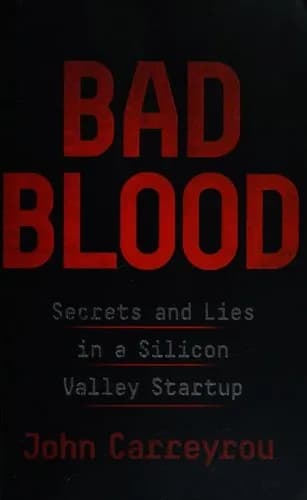
Bad Blood
Wall Street Journal reporter John Carreyrou exposes Theranos and its founder Elizabeth Holmes, whose blood-testing technology was a fraud. The book details the deception, intimidation and Silicon Valley hype behind a startup that endangered patients and collapsed into criminal charges.
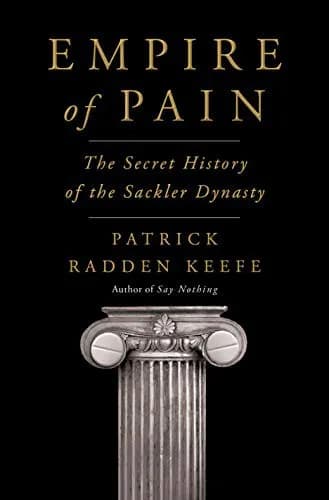
Empire of Pain
Patrick Radden Keefe traces three generations of the Sackler family and the marketing of OxyContin that fuelled America's opioid crisis. A sweeping investigation into wealth, philanthropy and corporate denial, it indicts the dynasty behind hundreds of thousands of overdose deaths.
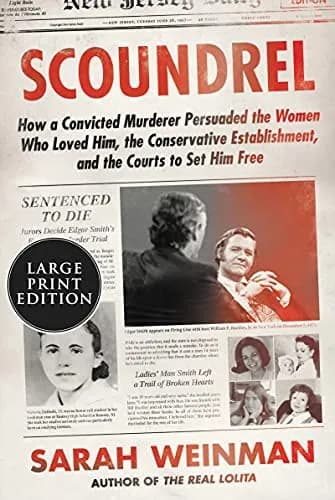
Scoundrel
Sarah Weinman investigates how convicted killer Edgar Smith manipulated influential conservative William F. Buckley Jr. into championing his innocence, winning release before killing again. The book exposes the seductive power of a charming psychopath and the credulous gatekeepers who enabled him.

The Dark Heart
Joakim Palmkvist follows the mysterious 2012 disappearance of Swedish farmer Goran Lundblad and the tenacious amateur sleuth who helped police prove that his own daughter had orchestrated his murder over an inheritance dispute. The book is a methodical, unsettling account of greed, family dysfunction and the persistence that ultimately secured justice.

UK Fraud Crisis: 2 Million Cases Half-Yearly Expose Global Weakness
The United Kingdom is experiencing an unprecedented surge in fraud crime, with 2.09 million confirmed cases reported in the first six months of 2025. The crisis reveals vulnerabilities in digital banking systems that extend far beyond British shores, prompting international law enforcement to reassess fraud prevention strategies.