drug crime
Collective term for unlawful handling of narcotics, covered in Danish law by § 191
Definition
Drug crime is a collective term for punishable acts involving the unlawful handling of narcotics and controlled substances. Under Danish law, it typically covers manufacture, import, export, transport, storage, sale, transfer and possession of substances that are prohibited. The term is not used as an independent technical legal category, but as a broad description of drug-related crime across offence types and levels of severity.
In Danish criminal law, the central provision is the Danish Penal Code (straffeloven) § 191, which targets the serious end of drug trafficking — particularly cases of a certain scale or professional character, including organised trade for the purpose of resale. The provision allows for enhanced penalties and is applied especially to principals and distribution links in drug networks. Less serious violations are regulated separately and dealt with under other provisions on drug offences.
In articles on figures such as Pablo Escobar and internationally oriented cartels, the term is used about large-scale, cross-border drug trafficking with a pronounced organisational structure, accompanied by violence and political corruption. Here, drug crime refers to systemic criminality that extends far beyond isolated offences and involves complex supply chains and power structures.
In a Danish context — exemplified by cases such as Bandidos MC in Denmark and the cases concerning Søren Ertmann, Jan Lindskov and Carsten Norton — the term is used about organised drug trafficking within biker-related and criminal networks. Here, drug crime is closely connected to gang conflict, violence and control over local markets for illegal substances, and the organised dimension is decisive for how the gravity of the offences is assessed.
Common to the use of the term across these contexts is that drug crime describes acts motivated by financial gain from illegal drug trafficking, and which typically form part of a larger criminal pattern rather than appearing as isolated individual acts.
Related articles
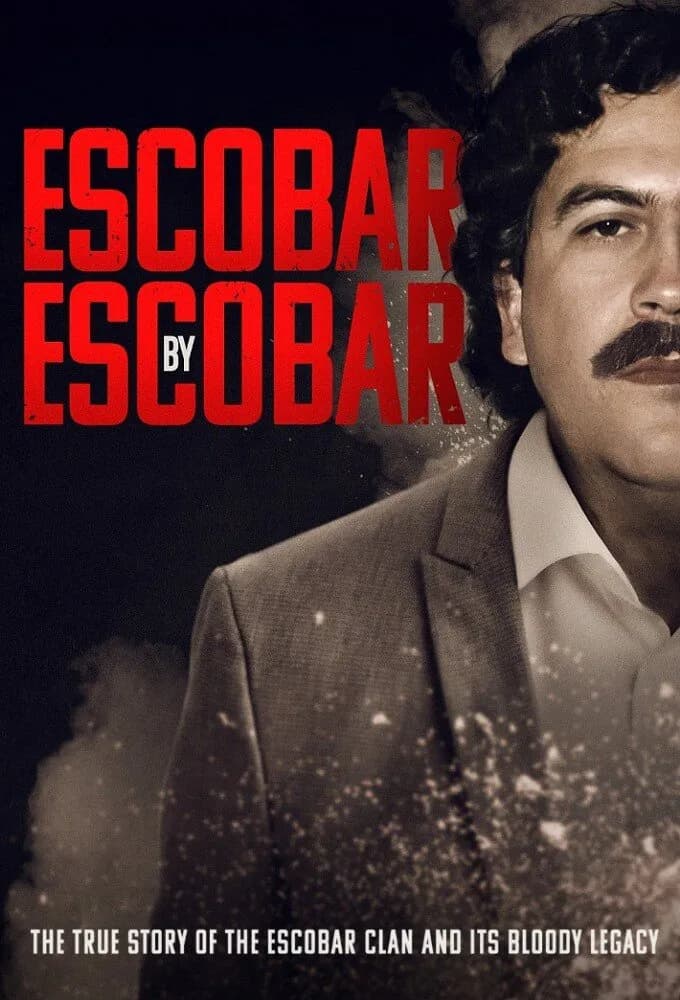
Escobar by Escobar
Escobar by Escobar is a 2021 documentary series in which María Isabel Santos, widow of Pablo Escobar, gives her firsthand account of life with the world's most notorious drug lord.

NTV Crime Watch (Anusandhan)
NTV Crime Watch (Anusandhan) is a weekly Bangladeshi crime news program on NTV BD covering real criminal cases nationwide, including murder and gang violence in Dhaka.