The Tiergarten Murder: Russia's State Assassination in Berlin
A German court confirmed that the Russian state orchestrated the killing of Chechen dissident Zelimkhan Khangoshvili in 2019
Published May 7, 2026
Quick Facts
The Assassin from Tiergarten
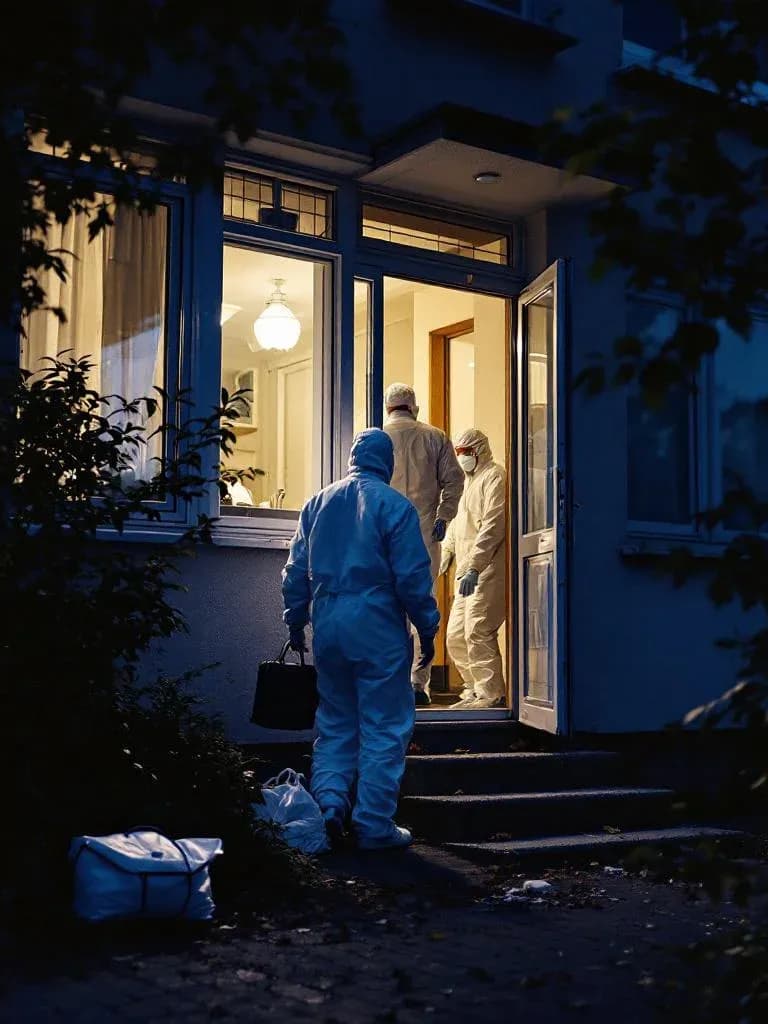
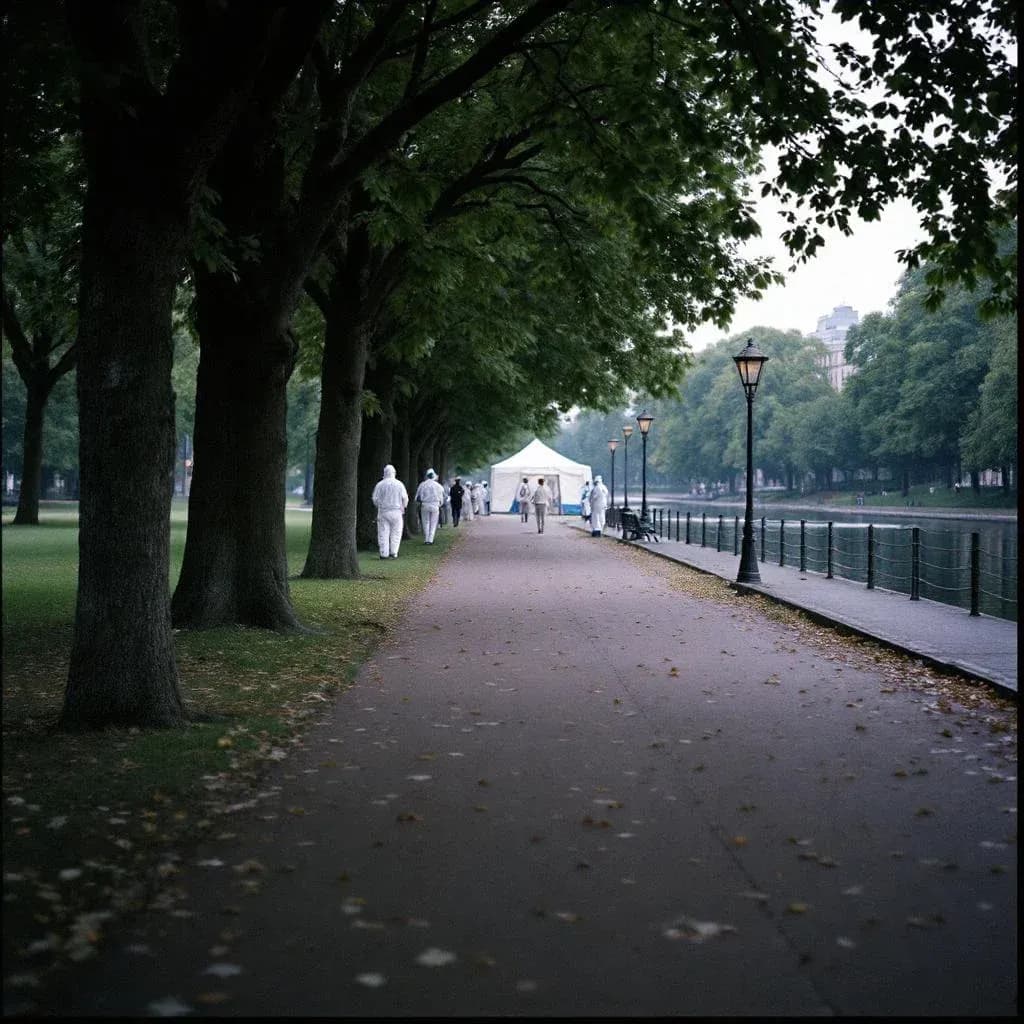
On August 23, 2019, at approximately 3:35 PM, Zelimkhan Khangoshvili was shot twice in the back on a bicycle path near Pfaueninsel in Berlin's Tiergarten. The 40-year-old Chechen-Georgian dissident was on his way to a mosque when he was gunned down by a man wearing a wig and riding a bicycle. Two shots from a modified Heckler & Koch P9S pistol killed him almost instantly.
The gunman attempted to flee but was overpowered by alert passersby and handed over to police.
What initially appeared to be a street crime proved to be one of the most brutal state-orchestrated assassinations on German soil since the fall of the Berlin Wall. State assassination
Timeline
Zelimkhan Khangoshvili shot dead in Berlin
Around midday on 23 August 2019, Khangoshvili is attacked and shot at close range with a silenced Glock 26 in the Kleiner Tiergarten park in Berlin-Moabit. He dies at the scene.
Vadim Krasikov arrested in connection with the killing
A Russian national operating under the alias Vadim Sokolov is arrested shortly after the killing in Berlin. He is identified as the suspected perpetrator.
Life sentence: court finds state-ordered murder
On 15 December 2021, Vadim Krasikov is found guilty of murder and sentenced to life imprisonment. The court finds that the killing was carried out on the orders of Russian state authorities.
Germany expels Russian diplomats after the verdict
Following the verdict and the court's finding of Russian state involvement, Germany expels Russian diplomats as a diplomatic response to the case.
The Victim: A Dissident in Exile
Zelimkhan Khangoshvili was born on January 15, 1979, in Duisi, Georgia. He had fought against Russian troops during the Chechen Wars between 1999 and 2009. Russian authorities accused him of responsibility for a bombing attack on Russia's Interior Ministry in 2004, which killed an officer. He was wanted in Russia.
Since 2008, Khangoshvili had lived under a false name—"Vadim Sokolov"—in Germany as an asylum seeker. He had previously survived several assassination attempts in Georgia, including in 2015 when he was seriously wounded. Germany seemed like a safe haven—but Russian intelligence never lost sight of him. Chechnya
The Perpetrator: An Elite FSB Operative
The man arrested at the crime scene presented himself as "Sergei Fedotov," a Russian construction entrepreneur. However, investigations by the Federal Criminal Police Office (BKA) and the Federal Intelligence Service (BND) revealed his true identity: Vadim Yuryevich Krasikov, born 1975, a former member of FSB's elite Spetsnaz Alpha unit.
Krasikov was no common hired killer. Over 100 hours of surveillance footage documented his professional preparation: he had arrived in Berlin via Minsk on August 4, 2019, and received weapons, a silencer, and ammunition from two Russian agents—banker Vadim M. from VEB Leasing and FSB employee Dmitri P. The operation cost approximately 111,000 euros, paid through Russian intelligence accounts.
The Court and Historic Verdict
On December 10, 2020, Berlin's Regional Court (Kammergericht) sentenced Vadim Krasikov to life imprisonment for murder. But the verdict went far beyond Krasikov himself. In her judgment, Judge Gauri Sastry stated unequivocally: "The murder was committed on the orders of a Russian state organ."
The court relied on ballistic evidence, witness testimony, video recordings, and especially on BND findings about Krasikov's FSB connections. The evidence was overwhelming: Khangoshvili was defenseless, and the killing showed no signs of emotional impulse or self-defense—it was cold-blooded political murder with "particularly despicable" motives. FSB
The appeal was rejected on November 10, 2021.
Diplomatic Crisis
The political consequences were severe. On December 4, 2020, shortly before the verdict, the Foreign Ministry expelled two Russian diplomats—one of them a known FSB officer. Foreign Minister Heiko Maas declared: "This case is a scandal. Such state-orchestrated assassinations are absolutely unacceptable and will have consequences."
Russia retaliated by expelling two German diplomats. EU foreign ministers unanimously condemned the case on December 14, 2020, and the United States and United Kingdom expressed solidarity with Germany. The Tiergarten murder became a symbol of Russia's aggressive intelligence operations abroad.
Surprising Release in 2024
On August 1, 2024, Krasikov's imprisonment ended abruptly. As part of the largest U.S.-Russian prisoner exchange since the Cold War—24 people in total—he was flown to Moscow. Germany received American Marc Fogel in return, who had been imprisoned in Russia.
Federal Chancellor Olaf Scholz called it "a difficult but necessary decision to get innocent people released." President Joe Biden called Krasikov "the Kremlin's murderer." Months of negotiations between the CIA and Putin's government demonstrated how valuable Krasikov was to the FSB—clear evidence that he truly acted on state orders.
The Tiergarten murder remains a dark chapter in German-Russian relations and a warning of how far authoritarian regimes will go to silence critics—even on foreign soil.
Ask about this case
Answers from KrimiNyt's coverage onlyFollow this case
Get an email when a new documentary, podcast or book about The Tiergarten Murder: Russia's State Assassination in Berlin appears, or when a verdict is reached.