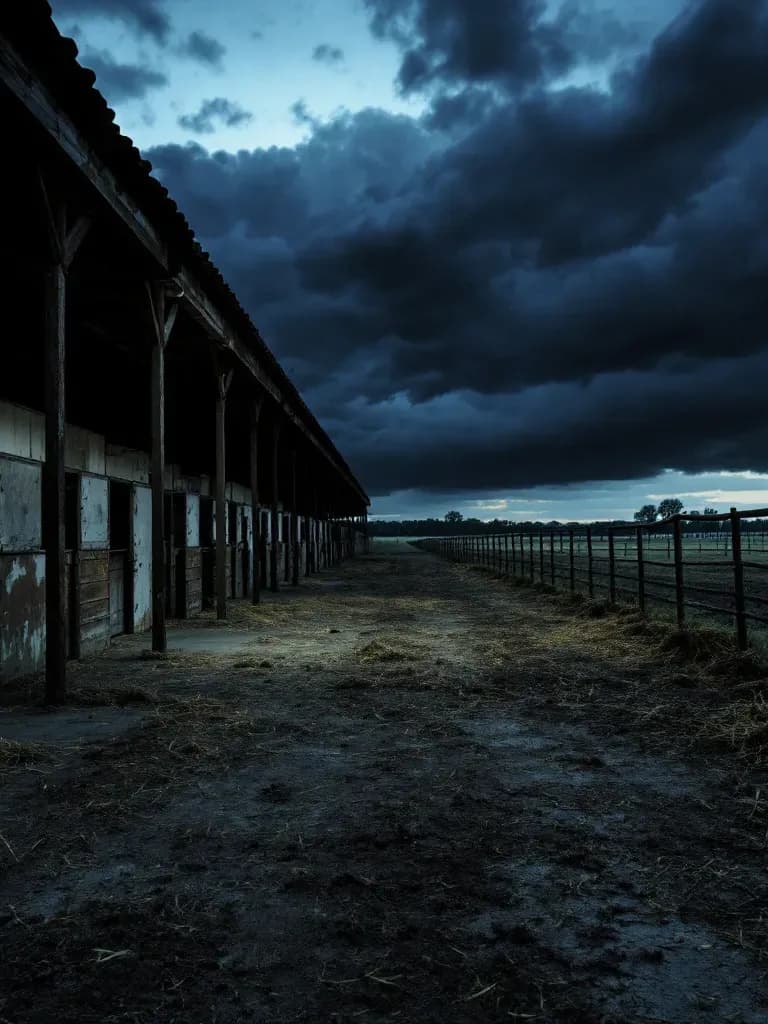
The Waco Siege — 51-day standoff at Mount Carmel
Waco, Texas, USA, 1993 — federal raid and fire that killed over 80 Branch Davidians
Published June 2, 2026
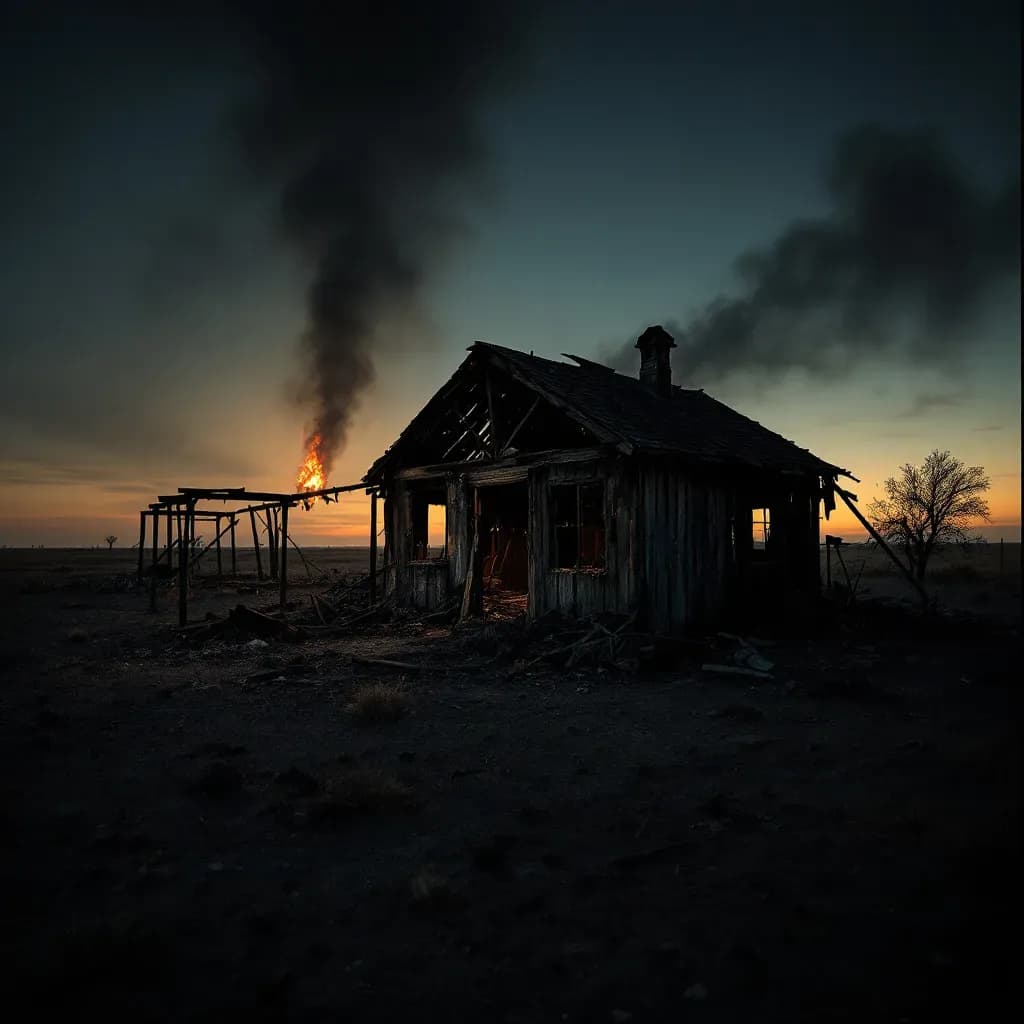
Quick Facts
The Case
The Waco Siege was a 51-day confrontation in 1993 between U.S. federal law enforcement and the Branch Davidians, a religious group led by David Koresh, at the Mount Carmel Center near Waco, Texas. It began with an attempted ATF raid on February 28, 1993, and ended on April 19, 1993, when a fire consumed the compound and killed dozens of Davidians, including many children. Rather than a traditional criminal case with a single offender and victim, Waco became one of the most scrutinized federal law-enforcement operations in modern American history, prompting congressional hearings, a major Justice Department review, and federal prosecutions of surviving members.
The Crime
The operation that triggered the siege was an ATF attempt to execute search and arrest warrants on weapons-related charges. Federal agents had obtained the warrants based on an affidavit prepared by ATF Special Agent David Aguilera, which alleged that Koresh and his followers had accumulated a substantial stockpile of firearms and were violating federal firearms laws. When approximately 75 ATF agents arrived at the property on the morning of February 28, 1993, gunfire broke out almost immediately. Four ATF agents and six Branch Davidians were killed in the initial firefight.
The FBI then took over and began a 51-day standoff. Negotiations failed to secure a peaceful surrender, and on April 19, 1993, the FBI launched a tear-gas insertion operation using armored vehicles. A fire broke out and rapidly engulfed the wooden compound. The cause of the fire remains contested: federal investigators concluded that Davidians inside set the blaze, while critics and some survivors have disputed this account. Regardless of origin, the fire killed 76 Branch Davidians, ending the siege catastrophically.
Timeline
ATF launches raid on Mount Carmel Center
On February 28, 1993, ATF agents attempt to execute search and arrest warrants. A gun battle breaks out, and four ATF agents are killed: Todd McKeehan, Robert Williams, Conway LeBleu and St
FBI takes over command – siege begins
After the failed ATF raid, the FBI takes over command of the operation. A 51-day siege of the compound begins on February 28, 1993.
Fire breaks out at compound – David Koresh dies
On April 19, 1993, a fire breaks out during an FBI tactical operation. David Koresh and a number of Branch Davidians, including children, die in the blaze.
Siege ends after 51 days
On April 19, 1993, the 51-day siege that began on February 28, 1993, ends with the fire and the destruction of the compound.
Trial at U.S. District Court for the Western District of Texas
Surviving Branch Davidians stand trial in Texas. Four are acquitted of all charges; five are convicted of aiding voluntary manslaughter; eight are convicted on firearms charges.
The Victims
The victims of the Waco Siege fall into several groups. Four ATF agents — Conway LeBleu, Todd McKeehan, Robert Williams, and Steven Willis — were killed in the initial February 28 raid. Six Branch Davidians also died in that exchange. The largest loss of life occurred on April 19, when 76 Branch Davidians died in the fire and related events, including David Koresh himself and a significant number of children. The Justice Department's report and other sources confirm that children were among the dead, making the siege one of the deadliest law-enforcement-related incidents on U.S. soil in the twentieth century.
Investigation
The investigation that led to the raid focused on weapons allegations: that the Branch Davidians had illegally acquired firearms components and converted weapons to automatic fire. The Aguilera affidavit was the cornerstone of the federal warrants, and the firearms recovered from Mount Carmel were treated as primary evidence in subsequent prosecutions. After the fire, federal investigators sifted through the ruins to recover human remains, weapons, and other physical evidence. Investigators also reviewed the FBI's negotiation tapes, surveillance recordings, and tactical decisions made during the 51-day standoff at Waco. The handling of the raid, negotiations, and final assault later became the subject of multiple internal reviews, congressional hearings, and an independent counsel investigation led by former Senator John Danforth.
Trial and Verdict
Surviving Branch Davidians were indicted in federal court. The defendants faced charges including conspiracy to murder federal officers and various federal weapons offenses. The jury acquitted several defendants of the most serious murder-conspiracy counts but convicted others on weapons charges and voluntary manslaughter, resulting in lengthy federal prison sentences. The verdicts were widely debated, with critics arguing the convictions were too harsh given the acquittals on conspiracy, and others arguing they did not go far enough. David Koresh himself never stood trial, having died in the April 19 fire along with most of his senior followers.
Today
The Waco Siege remains a touchstone in American debates about federal law-enforcement tactics, religious freedom, and government overreach. It influenced the rhetoric of the anti-government militia movement in the 1990s and was cited as a motivating grievance by Oklahoma City bomber Timothy McVeigh. The site of Mount Carmel has been partially rebuilt by a small successor group, and the case has been revisited in numerous books, documentaries, and dramatizations, including the Paramount Network miniseries 'Waco' and Netflix's Waco: American Apocalypse. Official reviews, including the 2000 report by the Office of Special Counsel and earlier Justice Department reports, continue to be referenced in debates over the events of February and April 1993.
Media coverage
TV series
- Waco: American Apocalypse — Netflix's Definitive Siege Recount(2026)
Ask about this case
Answers from KrimiNyt's coverage onlyFollow this case
Get an email when a new documentary, podcast or book about The Waco Siege — 51-day standoff at Mount Carmel appears, or when a verdict is reached.