Inside the LAPD's Biggest Corruption Scandal
How a rogue officer's confession exposed systematic abuse within one of America's most scrutinized police departments
Published June 6, 2025
Case Details
Quick Facts
Classification:
Quick facts
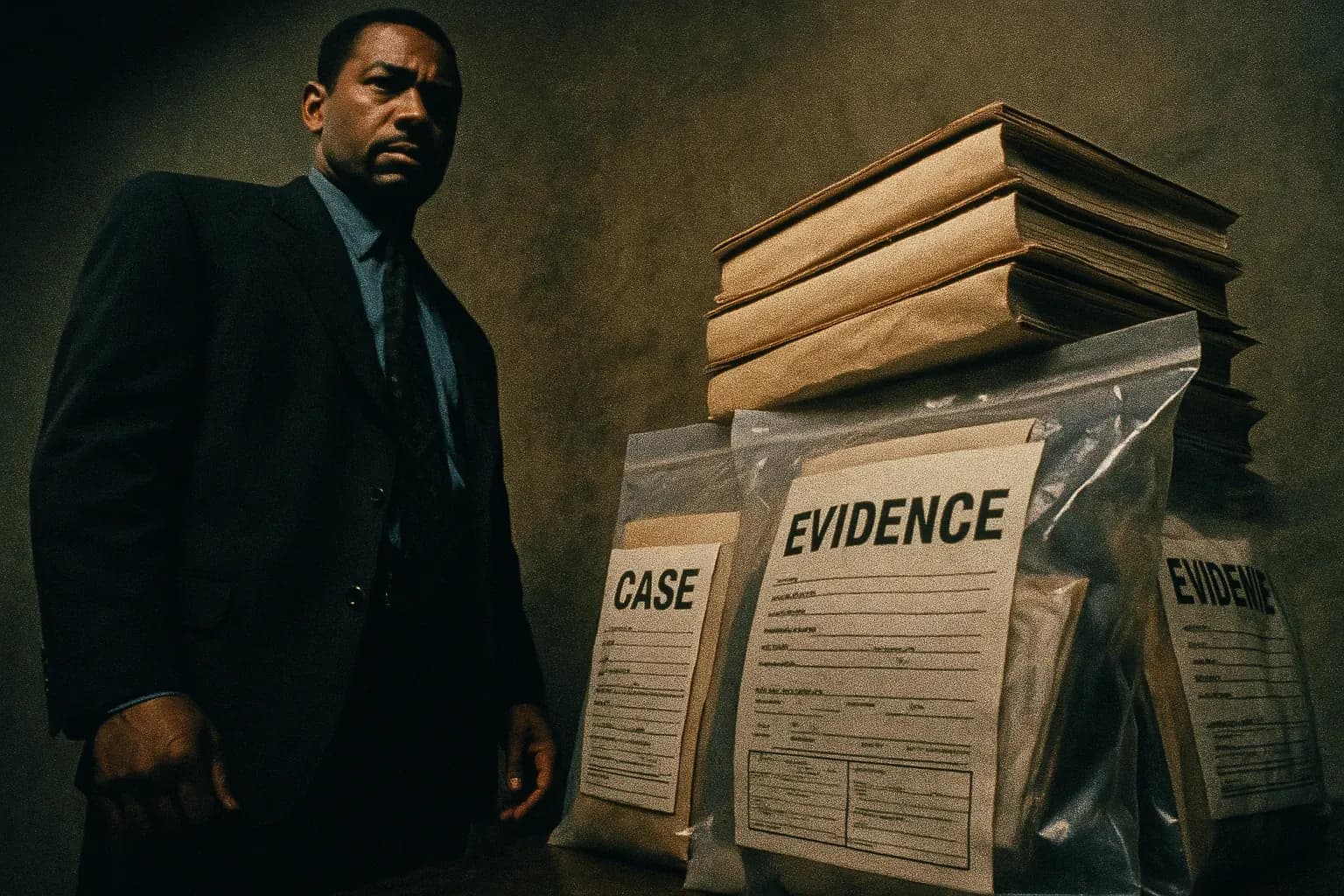
In 1998, the Los Angeles Police Department's Rampart Division erupted into one of the largest corruption scandals in U.S. law enforcement history. Former officer Rafael Perez, assigned to the CRASH unit (Community Resources Against Street Hoodlums), was caught red-handed stealing six pounds of cocaine from an evidence locker—a discovery that would expose systemic corruption reaching far beyond a single officer's criminal acts.
Perez's arrest should have ended with a single conviction. Instead, he became the whistleblower who dismantled a culture of abuse within one of America's most scrutinized police departments. Rather than face lengthy prison time alone, Perez cooperated with investigators and confessed to his own crimes while exposing the wrongdoing of his fellow officers. His testimony revealed a pattern of brutality and misconduct that shocked the public and law enforcement leadership alike.
The crimes exposed were staggering in scope. Officers in Perez's unit had systematically shot and beaten suspects without provocation, planted and stolen evidence, and given false testimony to secure convictions. Most damaging: they had framed innocent people for crimes they did not commit. Perez's cooperation with authorities provided investigators with the evidence needed to hold his colleagues accountable. Eight officers faced convictions based directly on information Perez supplied, transforming what began as a drug theft into a watershed moment for police accountability.
Timeline
Pérez joins the CRASH unit
Rafael Pérez becomes a member of the LAPD's Community Resources Against Street Hoodlums unit.
Shooting of Javier Ovando
Pérez and his partner Nino Durden shoot the unarmed Javier Ovando, leaving him paralyzed. Through false testimony, Ovando is sentenced to 23 years in prison.
Arrest of Rafael Pérez
Pérez is arrested for stealing 2.7 kilograms of cocaine from the LAPD's evidence storage.
Guilty plea and deal
Pérez pleads guilty to the cocaine theft and, as part of a deal, receives five years in prison along with immunity from further charges.
Overturning of convictions
Based on Pérez's testimony, more than 100 convictions are overturned. 70 police officers from the Rampart Division are implicated.
Prosecutors found no evidence that Perez had fabricated allegations about police wrongdoing. His credibility on the issue of systematic corruption remained intact, even as he faced consequences for his own criminal conduct. The distinction mattered: Perez was guilty of theft, but he was truthful about the broader conspiracy within his unit.
The resolution came in 2000 when Perez entered into a plea agreement and received a five-year prison sentence. While he served time for his own crimes, the convictions secured through his cooperation represented a form of institutional reckoning. However, the scandal's aftermath was complicated. Three convictions resulting from cases touched by the Rampart corruption were later overturned on procedural grounds, highlighting the legal complexities of pursuing justice in cases tainted by police misconduct.
The Rampart scandal became a defining moment for the LAPD, forcing the department to confront systemic issues that extended beyond individual bad actors. It demonstrated how corruption in one specialized unit could compromise the integrity of the entire criminal justice system—innocent people imprisoned, guilty officers shielded, evidence manipulated.
More than two decades later, the LAPD continues to grapple with accountability and reform. In 2025, another whistleblower emerged: Natalie Cortez, a senior law enforcement official, filed a lawsuit alleging that the LAPD had falsified reports to hide body camera violations and had retaliated against her for exposing the conspiracy. The case serves as a reminder that despite reforms initiated by the Rampart scandal, whistleblowers within the department still face resistance when challenging institutional wrongdoing.
Rafael Perez's cooperation in the late 1990s established a precedent: officers willing to expose corruption could contribute to systemic change, even at personal cost. Yet the persistence of alleged misconduct and retaliation against modern whistleblowers suggests that the Rampart era's lessons remain incomplete.
Sources - https://www.latimes.com/california/story/2026-02-06/lapd-rafael-perez-photo-investigation - https://lacounty.gov/2026/03/19/two-lapd-officers-charged-with-insurance-fraud/ - https://gregoryyates.com/news/lapd-consent-decree-initiates-changes-police-corruption/ - https://lapublicpress.org/2025/05/lapd-whistleblower-la-lawsuit/ - https://www.vice.com/en/article/hvor-realistisk-er-true-detectives-korrupte-betjente-050/
Ask about this case
Answers from KrimiNyt's coverage onlyFollow this case
Get an email when a new documentary, podcast or book about Inside the LAPD's Biggest Corruption Scandal appears, or when a verdict is reached.