The Wrong Child: How DNA Solved a 50-Year-Old U.S. Kidnapping
A Danish genealogy breakthrough revealed that the 'found' child was actually a different missing boy—and the real victim remained hidden for decades
Published June 6, 2025
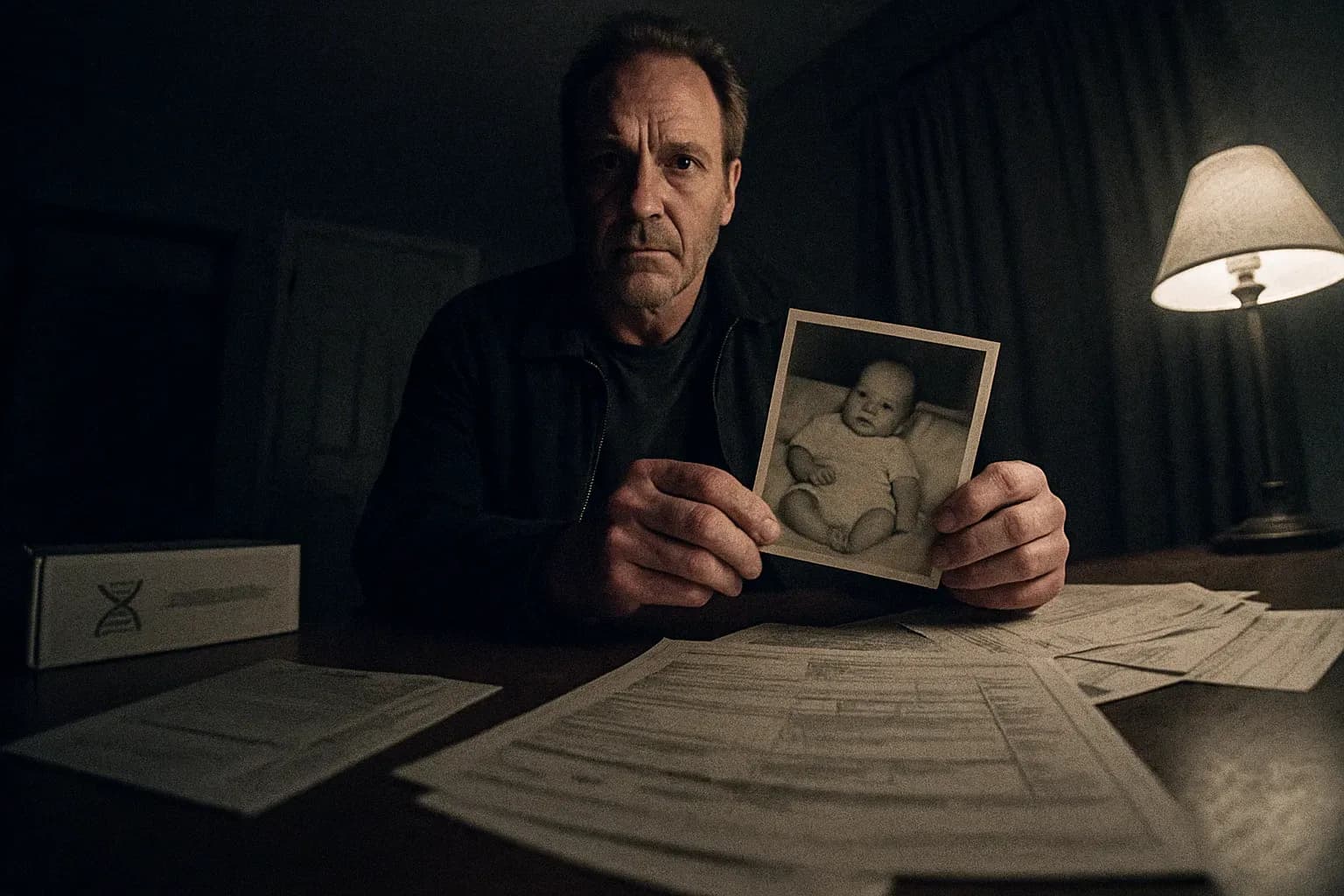
On a spring day in 1964, one-day-old Paul Joseph Fronczak disappeared from a Chicago hospital. It was the kind of case that gripped a nation: a newborn stolen from his crib, desperate parents searching for answers, and a mystery that would span generations. Two years later, in 1966, police announced they had found him in New Jersey. The Fronczak family embraced the boy and brought him home. For nearly 50 years, no one questioned the identification.
Then came the DNA test.
## The Revelation
Timeline
Infant abducted from hospital in Chicago
A woman disguised as a nurse convinces Dora Fronczak that the baby needs to go to the nursery – and disappears with the roughly 36-hour-old infant from Michael Reese Hospital.
DNA identifies the original abducted child
In December 2019, reports emerge that the originally abducted infant has been identified as Kevin Ray Baty, living in Michigan, through DNA and genetic genealogy.
In 2012, when genetic testing was conducted on the man known as Paul Fronczak—now middle-aged and living a quiet life—the results shattered decades of assumed truth. He shared no biological connection to Dora and Chester Fronczak. The boy found in 1966 was not their son. The case, everyone believed closed, had only just begun.
The discovery sent ripples through the American true crime community and beyond. International genealogy networks, including volunteer organizations focused on genetic detective work, mobilized to solve the puzzle. If this man was not Paul Fronczak, then who was he? And more urgently: where was the real Paul?
## Genetic Genealogy Cracks the Case
Three years of investigative work followed. Using advanced DNA analysis and genetic genealogy techniques—methods that have become increasingly powerful tools in criminal investigations worldwide—a breakthrough came on June 3, 2015. Volunteer genealogists identified the man as Jack Rosenthal, a boy from Atlantic City, New Jersey, who had himself gone missing in 1965.
The cruel irony was profound. Jack Rosenthal had disappeared around the same time the original kidnapping case was dominating headlines. When he was found in New Jersey in 1966, authorities apparently matched him with the Fronczak case without rigorous verification. For 47 years, Jack lived under a false identity, unaware of his true origins.
Genetic testing revealed his actual ancestry: Jewish, Southern European, and Northern European roots that had nothing to do with the Fronczak family's background.
## Finding the Real Paul
With Jack Rosenthal's identity finally confirmed, investigators could return to the original mystery: locating the genuine Paul Joseph Fronczak. Using DNA comparison with a woman who might be his biological daughter, researchers tracked down the real Paul in Michigan—51 years after his kidnapping.
The reunion that followed was bittersweet. Paul Fronczak finally met his biological mother, a woman who had spent five decades grieving a son she thought was lost forever. For her, the discovery was both joyful and devastating—she had mourned while, unbeknownst to her, her son had grown to adulthood under another name.
## The Unfinished Mystery
Yet the case contains another haunting detail. Genetic testing revealed that Jack Rosenthal had a twin sister named Jill. Her fate remains unknown. She has never been found, and no records clarify what happened to her in the decades since her disappearance.
The Fronczak case has become a landmark in how modern forensic genealogy can unravel decades-old mysteries—but it also underscores the limitations of earlier investigative methods. The case raises uncomfortable questions about identification procedures, institutional accountability, and how many other cold cases might contain similar layers of misidentification waiting to be discovered.
For the families involved—the Fronczaks, the Rosenthals, and Paul himself—the genetic revelations brought closure, but also the painful recognition that truth, when finally uncovered, can be far more complicated than anyone imagined.
Ask about this case
Answers from KrimiNyt's coverage onlyFollow this case
Get an email when a new documentary, podcast or book about The Wrong Child: How DNA Solved a 50-Year-Old U.S. Kidnapping appears, or when a verdict is reached.