Mary McElroy: From Kidnap Victim to Suicide
How a Kansas City heiress became trapped by trauma, scandal, and the aftermath of a sensational 1933 abduction
Published June 6, 2025
Case Details
Quick Facts
Quick facts
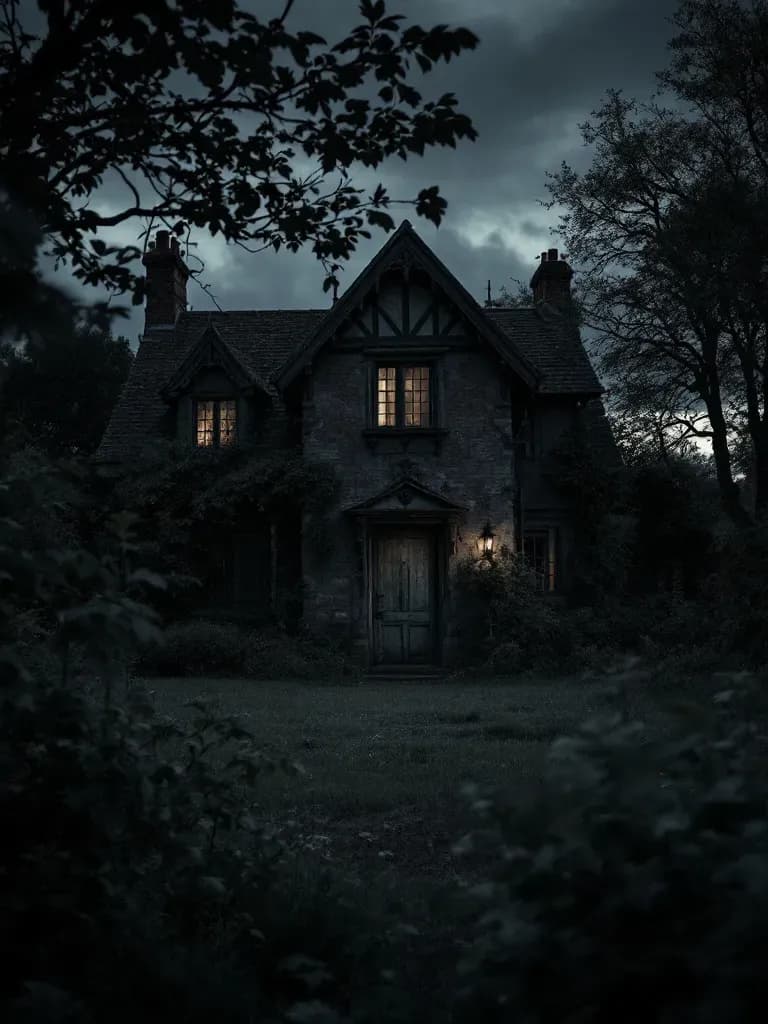
On May 27, 1933, Mary McElroy, the 25-year-old daughter of Kansas City, Missouri's City Manager Henry F. McElroy, was kidnapped from her home at 21 W 57th Street by four armed men posing as delivery workers. It was a crime that would grip the nation and leave psychological scars that ultimately proved fatal.
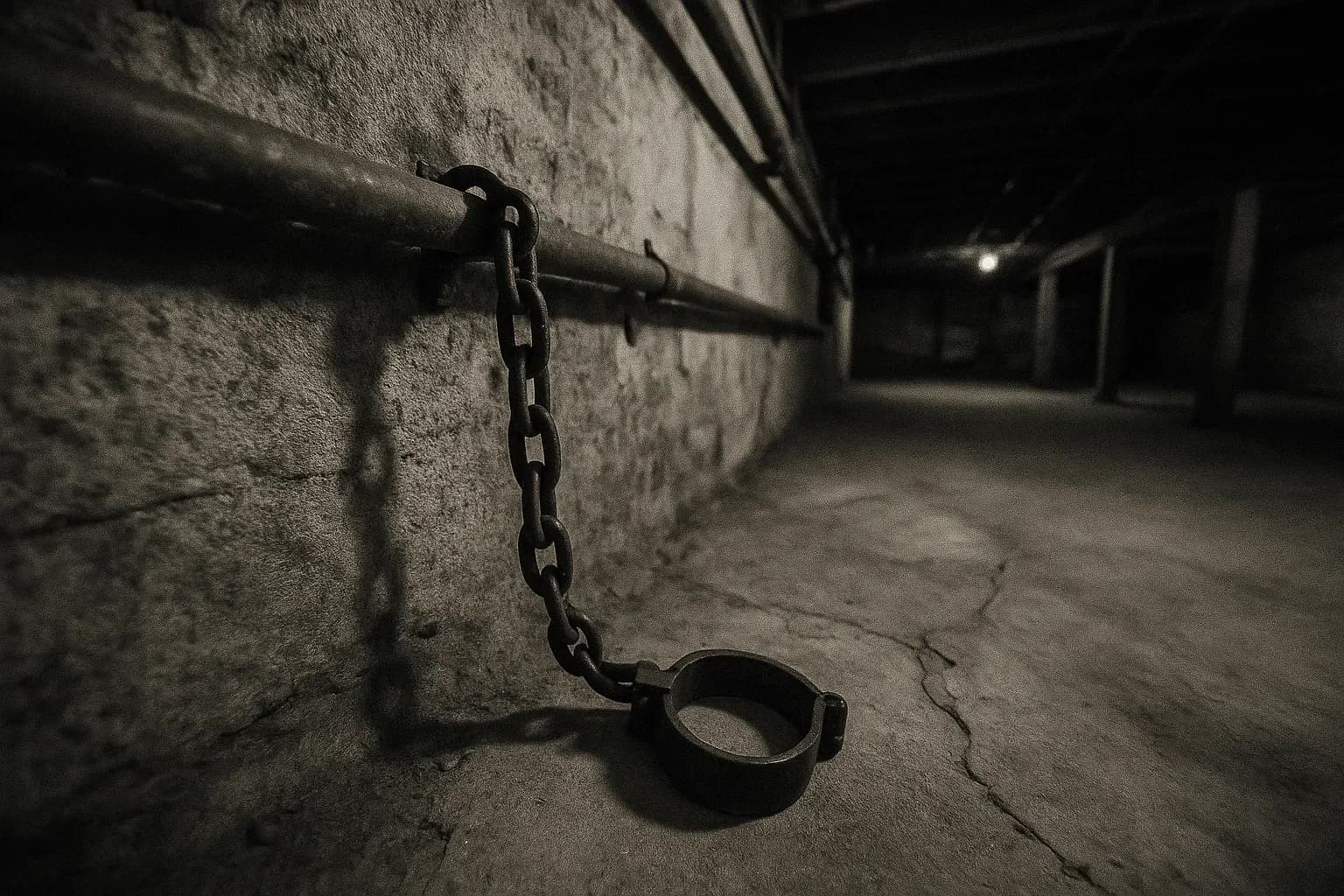
The four perpetrators, led by ringleader Walter H. McGee and including Clarence Stevens, tricked their way into the McElroy residence with revolvers drawn. They allowed their victim moments to change into a pink cotton frock before forcing her into captivity. Mary was transported to a farmhouse at 5718 State Line Road, where she was shackled to a basement wall.
Her captors demanded $30,000—an enormous sum during the Great Depression. The ransom was paid, and after 34 hours of confinement, Mary was released. Law enforcement moved quickly, tracking the kidnappers to Amarillo, Texas, where approximately $9,000 of the ransom money was recovered upon their arrest.
Timeline
Birth of Mary McElroy
Mary McElroy is born in Kansas City, Missouri, daughter of Henry F. 'Judge' McElroy.
Kidnapping
Mary is abducted while bathing from her father's home and transported to a farm in Kansas.
Released after ransom payment
After payment of 30,000 dollars, Mary is released following 34 hours of captivity.
Execution of the main perpetrator
Walter McGee, leader of the kidnapping gang, is executed by hanging.
Death of the father
Henry F. McElroy, Mary's father, dies about four months before her suicide.
Mary McElroy's suicide
Mary takes her own life with a shot to the head, leaving behind a tragic farewell letter.
The legal response was swift and unprecedented. All four perpetrators were captured and prosecuted. Walter McGee received the death sentence—a punishment never before imposed for kidnapping in United States history. The case, Missouri vs. Walter H. McGee (Criminal Case No. 33947), would set a new standard for how the law treated kidnapping with ransom demands.
But for Mary McElroy, the ordeal was far from over.
In the years following her release, Mary struggled with the psychological aftermath of her abduction. She faced social stigma and continued harassment. Threatening messages arrived from associates of the imprisoned kidnappers, forcing her to flee her home at one point. More significantly, her father's death while under federal indictment left her emotionally devastated and increasingly isolated from her former social circle.
The passage of time did not bring healing. By January 1940—nearly seven years after the kidnapping—Mary's mental state had deteriorated profoundly. She returned to the farmhouse where she had been held captive, as if drawn back to the scene of her trauma.
On January 20, 1940, Mary McElroy shot herself with a .25 caliber gun at age 32. She left behind suicide notes that revealed the depths of her despair. In one message, she wrote that the kidnappers "are probably the only people on earth who don't consider me an utter fool." In another, she expressed that "resources were exhausted, the world was a mistake."
Those haunting words suggest a woman broken not only by the kidnapping itself but by its aftermath—the judgment of society, the loss of her father, and the isolation that followed her release. Her case would later be studied as an early example of what became known as Stockholm Syndrome, the psychological phenomenon where captives develop emotional bonds with their captors. Yet for Mary, such clinical analysis offered no comfort during her lifetime.
The Mary McElroy case remains one of America's most tragic crime stories—not because of the kidnapping itself, but because of what it ultimately cost its victim. While her abductors faced legal consequences, Mary paid the highest price of all, surrendering to a despair that even her family's wealth and prominence could not alleviate.
## Sources
https://pendergastkc.org/timeline/mary-mcelroy-commits-suicide
https://info.umkc.edu/historymakers/?tag=mcelroy-kidnapping
https://pendergastkc.org/names/mcelroy-mary?page=1
Ask about this case
Answers from KrimiNyt's coverage onlyFollow this case
Get an email when a new documentary, podcast or book about Mary McElroy: From Kidnap Victim to Suicide appears, or when a verdict is reached.