Love Canal: America's Toxic Time Bomb Under the Suburbs
How 22,000 tons of buried chemical waste poisoned a neighborhood and changed U.S. environmental law
Published June 6, 2025
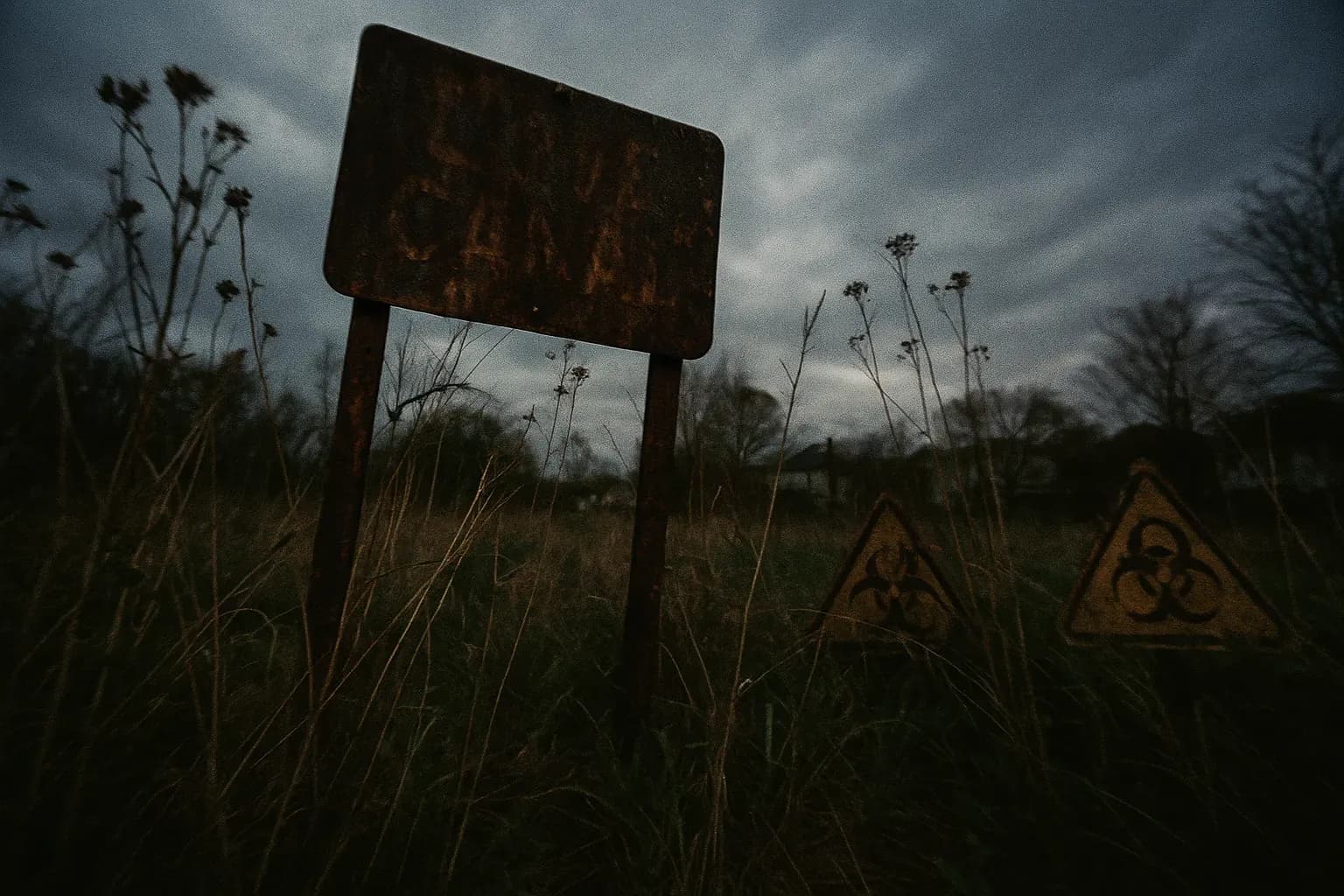
Quick Facts
In 1953, the Hooker Chemical Company sold a 16-acre abandoned canal site in Niagara Falls, New York, to the local school board for $1. What the company didn't disclose—though it legally tried to—was that the site contained nearly 21,000 tons of industrial waste buried beneath the surface.
From 1942 to 1953, Hooker had used the Love Canal as an open dumping ground for hazardous byproducts from its chemical manufacturing operations. The waste included at least 12 known carcinogens: benzene, dioxin, PCBs, lindane, and over 200 chemical compounds in total. After dumping ceased, Hooker lined the canal with cement, installed a clay cap, and fenced the property off. The company then sold the land to Niagara Falls School Board, including a warranty clause that absolved Hooker of any future liability for the buried chemicals.
Over the next two decades, the neighborhood transformed. More than 800 homes were constructed on or near the site, along with a school. Families moved in unaware of what lay beneath their foundations.
Timeline
Hooker Chemical begins chemical dumping in Love Canal
From 1942, Hooker Chemical Company begins dumping toxic industrial waste in the old canal in Niagara Falls, New York.
Dumping ends – site handed over and built on
Hooker Chemical stops the dumping in the early 1950s. The land is handed over, and a residential neighborhood with a school is built on top of the filled-in dump site.
Contamination publicly acknowledged – evacuation begins
In 1978 it is officially acknowledged that toxic chemicals are seeping into homes and yards. About 950 families from the 10-block area are evacuated.
Superfund program established as direct result of Love Canal
The U.S. federal government establishes the Superfund program to finance cleanup of contaminated sites – the Love Canal case is a key catalyst.
Occidental settles with New York State for $98 million
In 1994, Occidental Chemical Corporation reaches a settlement with New York State of 98 million dollars over liability for the contamination.
Federal government settles with Occidental for $129 million
In December 1995, the U.S. Department of Justice confirms a settlement of 129 million dollars with Occidental to cover Superfund cleanup costs.
By 1976, the problem became impossible to ignore. Heavy rains and snowmelt corroded the buried drums, breaking through backyards and releasing their toxic contents. Trees and gardens died. A swimming pool lifted from its foundation. Families reported choking chemical odors and noxious puddles appearing in their yards, basements, and on school grounds. Children developed chemical burns on their skin.
Health issues emerged with alarming frequency. Residents reported elevated white blood cell counts, respiratory problems, blood diseases, and cancers. Miscarriages and stillbirths spiked. By November 1978, New York State officials confirmed that 200 tons of dioxin alone lay buried at the site.
The Niagara Falls Gazette first reported the contamination in October 1976. Two months later, the newspaper revealed that storm sewers were discharging chemical-contaminated water directly into the Niagara River. Still, the crisis remained largely a local concern until 1978, when New York State Health Commissioner Robert Whalen declared Love Canal a public health emergency and public nuisance.
The response was swift. Governor Hugh L. Carey granted emergency powers and $500,000 for health studies. President Jimmy Carter approved federal emergency aid on August 7, 1978, authorizing the relocation of 236 families at a cost of $10 million—a staggering sum for the era. Love Canal became the first site added to the newly created Superfund National Priorities List.
Legal battles dragged on for years. Hooker Chemical was found negligent in its waste disposal practices, but courts ruled the company had not been reckless in selling the land, as the liability clause in the deed technically protected it. This decision became a crucial test case for corporate accountability. Eventually, after protracted litigation, 1,300 former residents settled with Occidental Chemical Corporation (which had acquired Hooker in the late 1960s) and Niagara Falls city for $20 million.
Love Canal's poisoning of an entire neighborhood became the catalyst for sweeping environmental reform. The disaster directly led to the passage of the Comprehensive Environmental Response, Compensation, and Liability Act of 1980—known as the Superfund law. The legislation required companies to disclose hazardous waste sites, imposed fines for non-notification, and established the EPA's Hazard Ranking System for contaminated sites.
Cleanup efforts lasted 21 years, finally concluding in 2004. The site was capped, fenced, and the buildings were razed. Love Canal stands as a stark reminder of the cost of corporate negligence and the price paid by ordinary families living above America's toxic legacy.
**Sources:** - https://www.geneseo.edu/history/love_canal_history/ - https://bnwaterkeeper.org/love-canal/ - https://www.britannica.com/place/Love-Canal - https://levin-center.org/what-is-oversight/portraits/love-canal/ - https://en.wikipedia.org/wiki/Love_Canal
Ask about this case
Answers from KrimiNyt's coverage onlyFollow this case
Get an email when a new documentary, podcast or book about Love Canal: America's Toxic Time Bomb Under the Suburbs appears, or when a verdict is reached.