Frank Serpico: The Cop Who Took Down the System
How an NYPD detective's refusal to accept bribes sparked the largest police corruption investigation in New York history
Published June 6, 2025
Case Details
Quick Facts
Quick facts
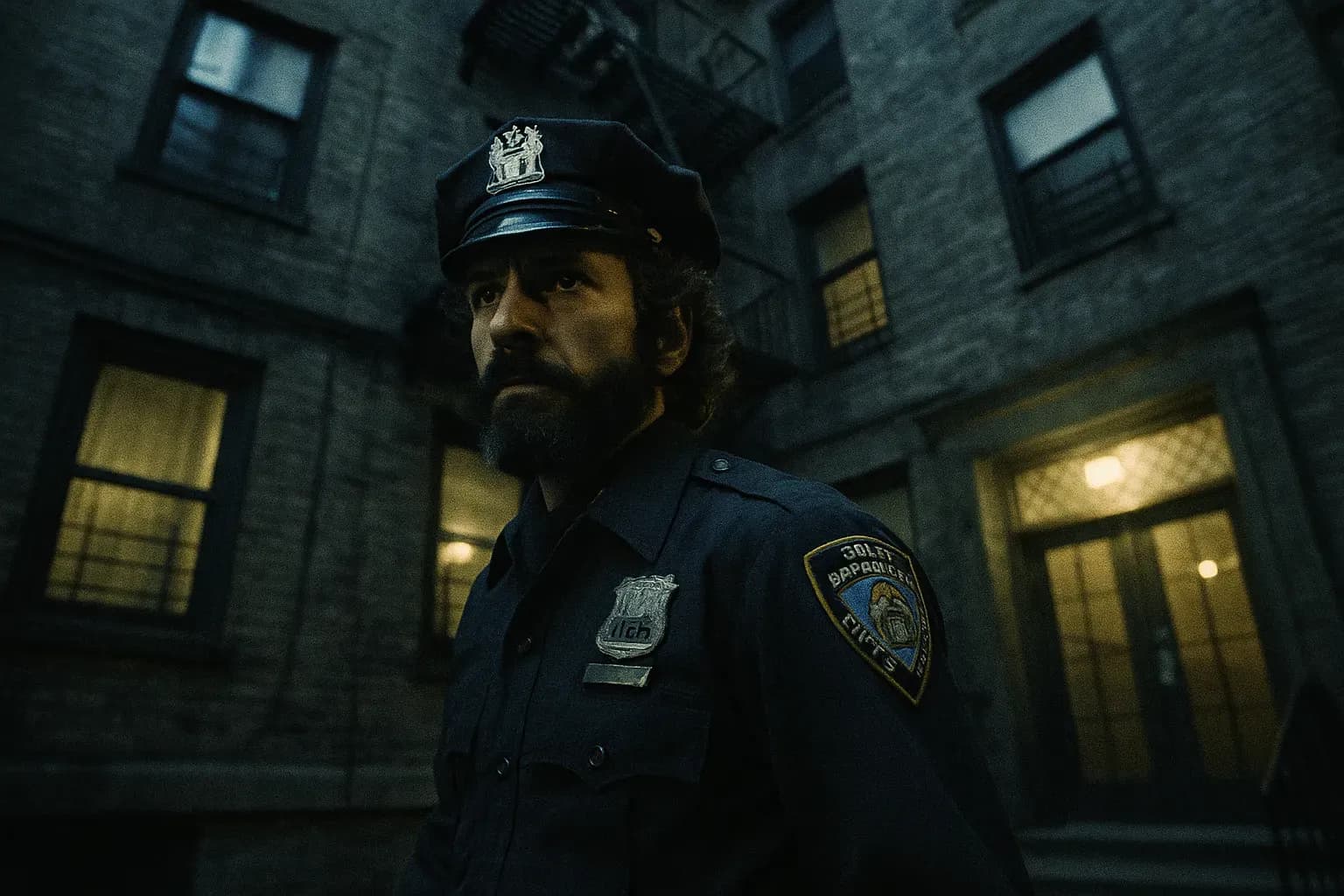
Born April 14, 1936, in Brooklyn to Italian immigrant parents, Frank Serpico served two years in the U.S. Army before joining the New York City Police Department. As a plainclothes detective operating across Brooklyn, the Bronx, and Manhattan, he targeted vice racketeering—and witnessed firsthand what few officers dared to acknowledge: systemic corruption had infected the department at every level.
Starting in 1967, Serpico began reporting credible evidence of widespread police misconduct to appropriate officials. For two years, he documented payoffs and illegal activities while refusing bribes and payoffs himself. The pressure from fellow officers was relentless. In a culture where accepting corruption was the norm, Serpico's integrity made him a pariah.
Everything changed on April 25, 1970, when the New York Times published an explosive article detailing police corruption. The revelation prompted Mayor John Lindsay to establish the Knapp Commission to investigate. Serpico became its star witness. On December 15, 1971, he testified before the commission, becoming the first NYPD officer in history to publicly expose widespread payoffs totaling millions of dollars. His calm, measured testimony shattered the code of silence that had protected corrupt officers for decades.
Timeline
Born in Brooklyn
Francesco Vincent Serpico is born in Brooklyn, New York.
Joins the NYPD
Serpico joins the New York Police Department and begins his career as a police officer.
First corruption report
Serpico reports corruption for the first time, initially without success.
New York Times exposé
The New York Times runs a front-page story on systemic corruption within the NYPD, based on Serpico's information.
Testimony before the Knapp Commission
Serpico becomes the first NYPD officer to publicly testify before the Knapp Commission about the widespread corruption.
Shot in the face
During an operation, Serpico is shot in the face. His colleagues do not come to his aid.
The film "Serpico" is released
The Hollywood film "Serpico," starring Al Pacino, makes his story known around the world.
But Serpico's courage came at a cost. On February 3, 1971—months before his Knapp Commission testimony—he was shot in the face during a drug buy-and-bust raid in Brooklyn. What made the incident particularly suspicious was what happened next: fellow officers did not rush to his aid or call for assistance promptly. Many believed the shooting was no accident, but rather a setup orchestrated by corrupt colleagues seeking revenge. Serpico later reported two additional attempts on his life.
Despite the shooting, Serpico continued his mission. In 1972, the NYPD awarded him the Medal of Honor, its highest commendation. He had also received a gold Detective shield in 1971 while recovering on medical leave. Yet recognition from the brass could not undo the damage. The culture of ostracism from fellow officers—a consequence of his whistleblowing—pushed him to leave the country. He spent nearly a decade living in Europe, far from the department that had rejected him for doing the right thing.
Serpico's legacy extends far beyond his police career. In 1973, director Sidney Lumet brought his story to the screen in the film *Serpico*, starring Al Pacino in a career-defining role. The movie introduced millions worldwide to the whistleblower's quiet courage and the institutional resistance to reform he had faced.
In his testimony and public statements, Serpico articulated a principle that remains urgent today: "A policeman's first obligation is to be responsible to the needs of the community he serves… The problem is that the atmosphere does not yet exist in which an honest police officer can act without fear of ridicule or reprisal from fellow officers."
During his Knapp Commission testimony, Serpico warned that unchecked corruption would "infect the whole system." His words proved prophetic. The commission's findings led to significant reforms in the NYPD and influenced police accountability measures nationwide.
Frank Serpico never ran from what was right—even when doing so cost him his career, his safety, and his home. His story remains a testament to the power of individual conscience against institutional corruption, and a reminder that true policing begins when one officer refuses to look away.
Sources
- https://www.aclu.org/news/free-speech/never-run-when-youre-right-real-story-nypd - https://americanswhotellthetruth.org/portraits/frank-serpico/ - https://whistleblowersblog.org/whistleblower-of-the-week/whistleblower-of-the-week-frank-serpico-never-run-when-you-are-right/ - https://sfponline.site-ym.com/page/serpicofrank - https://folcs.org/past-event/serpico/
Media coverage
Documentaries
- Serpico: Sidney Lumet's Film on NYPD Corruption(2026)
- Frank Serpico(2026)
Ask about this case
Answers from KrimiNyt's coverage onlyFollow this case
Get an email when a new documentary, podcast or book about Frank Serpico: The Cop Who Took Down the System appears, or when a verdict is reached.