Exxon Valdez: America's Environmental Catastrophe
How a supertanker's grounding in Alaska became one of history's worst industrial disasters
Published June 6, 2025
Case Details
Quick Facts
Classification:
Quick facts
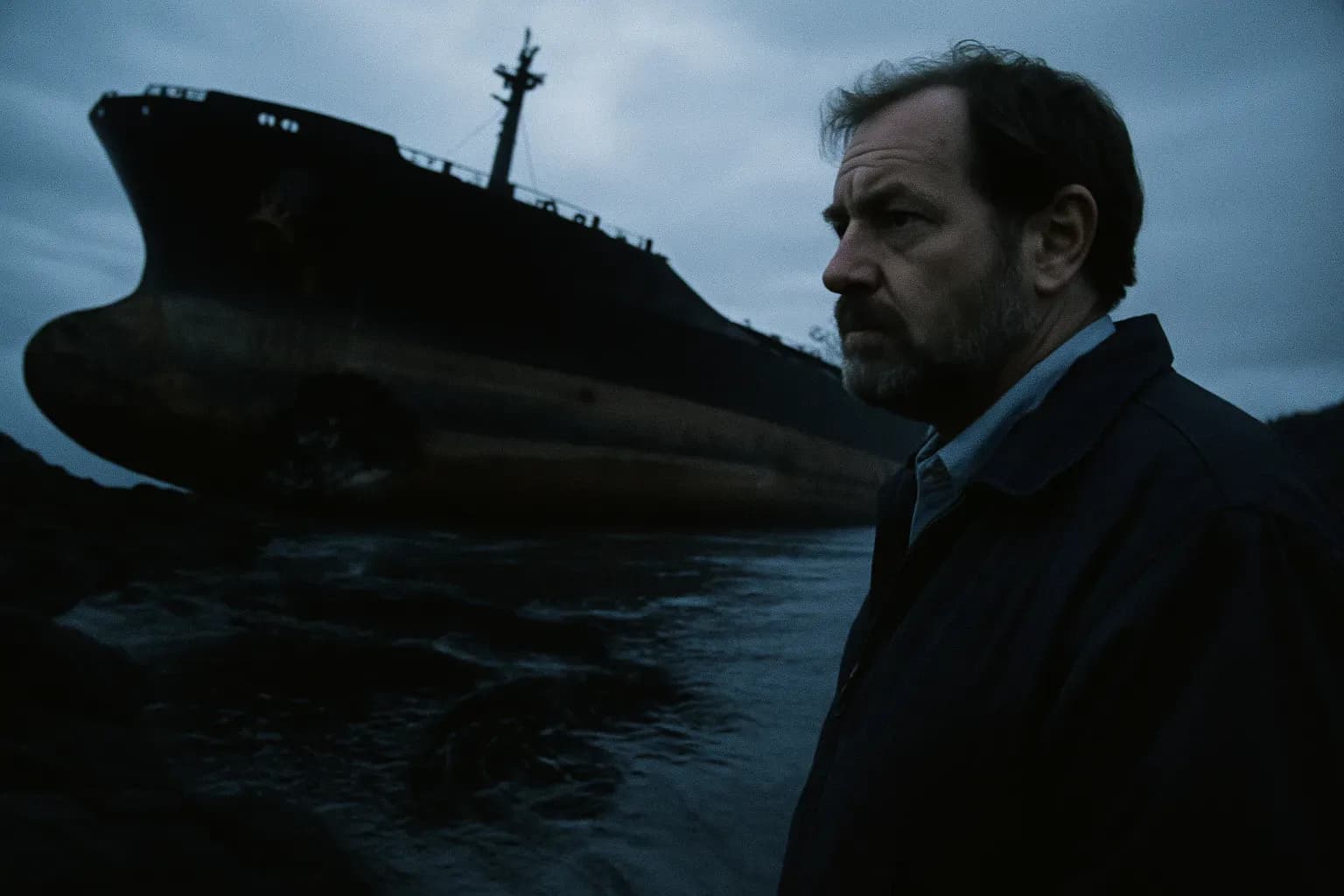
At 12:04 a.m. on March 24, 1989, the Exxon Valdez—a 987-foot oil supertanker bound for Long Beach, California—struck Bligh Reef in Prince William Sound, Alaska. The collision would trigger one of the most catastrophic environmental disasters in American history.
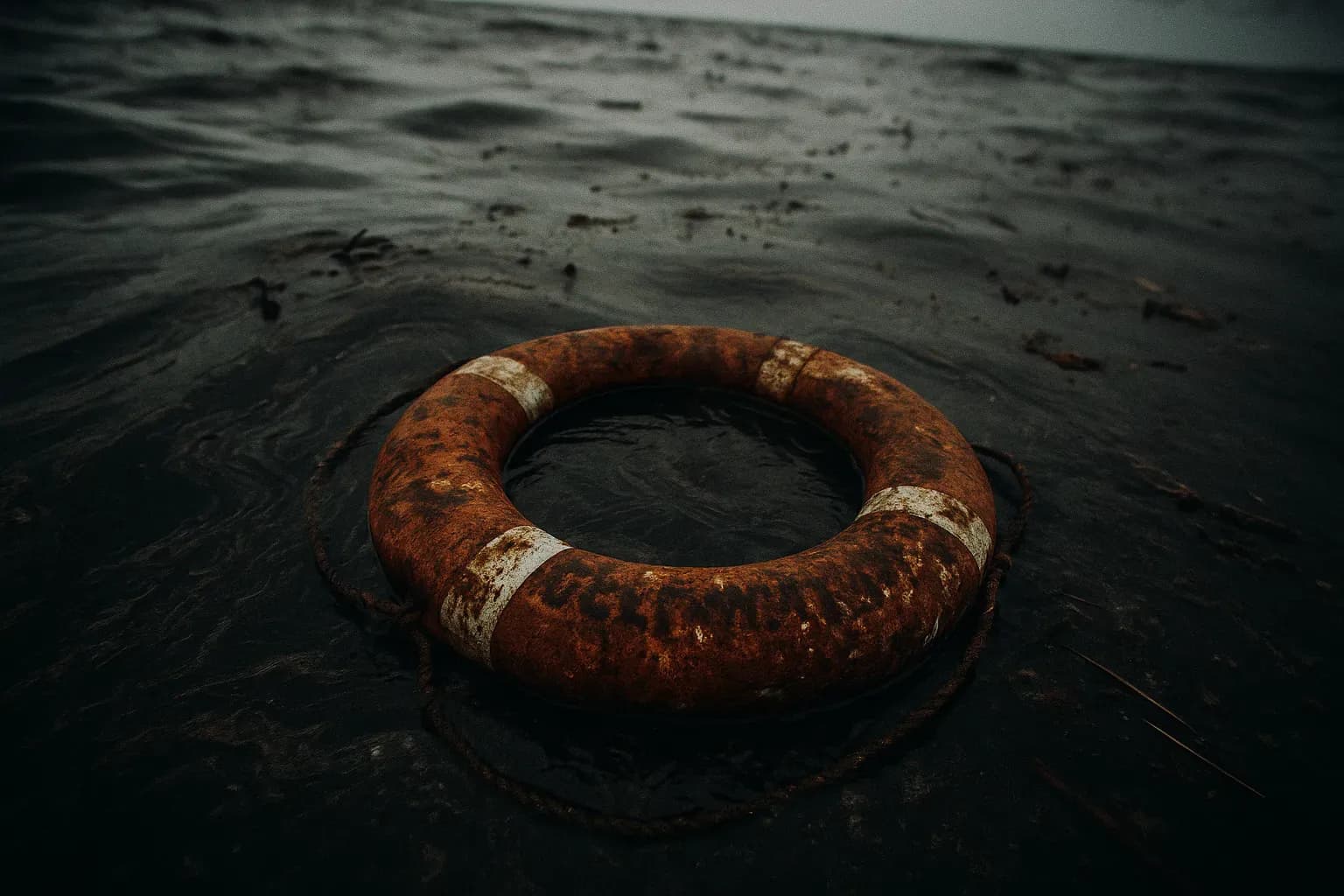
The impact was devastating and immediate. Eight of the vessel's eleven cargo tanks ruptured as the supertanker became impaled across its middle on a pinnacle of reef. Within the first three hours and fifteen minutes alone, 5.8 million gallons of crude oil gushed into the pristine waters of Prince William Sound. By the time the hemorrhaging finally stopped, approximately 10.8 to 11 million gallons—equivalent to 250,000 to 260,000 barrels—had spilled into the ocean.
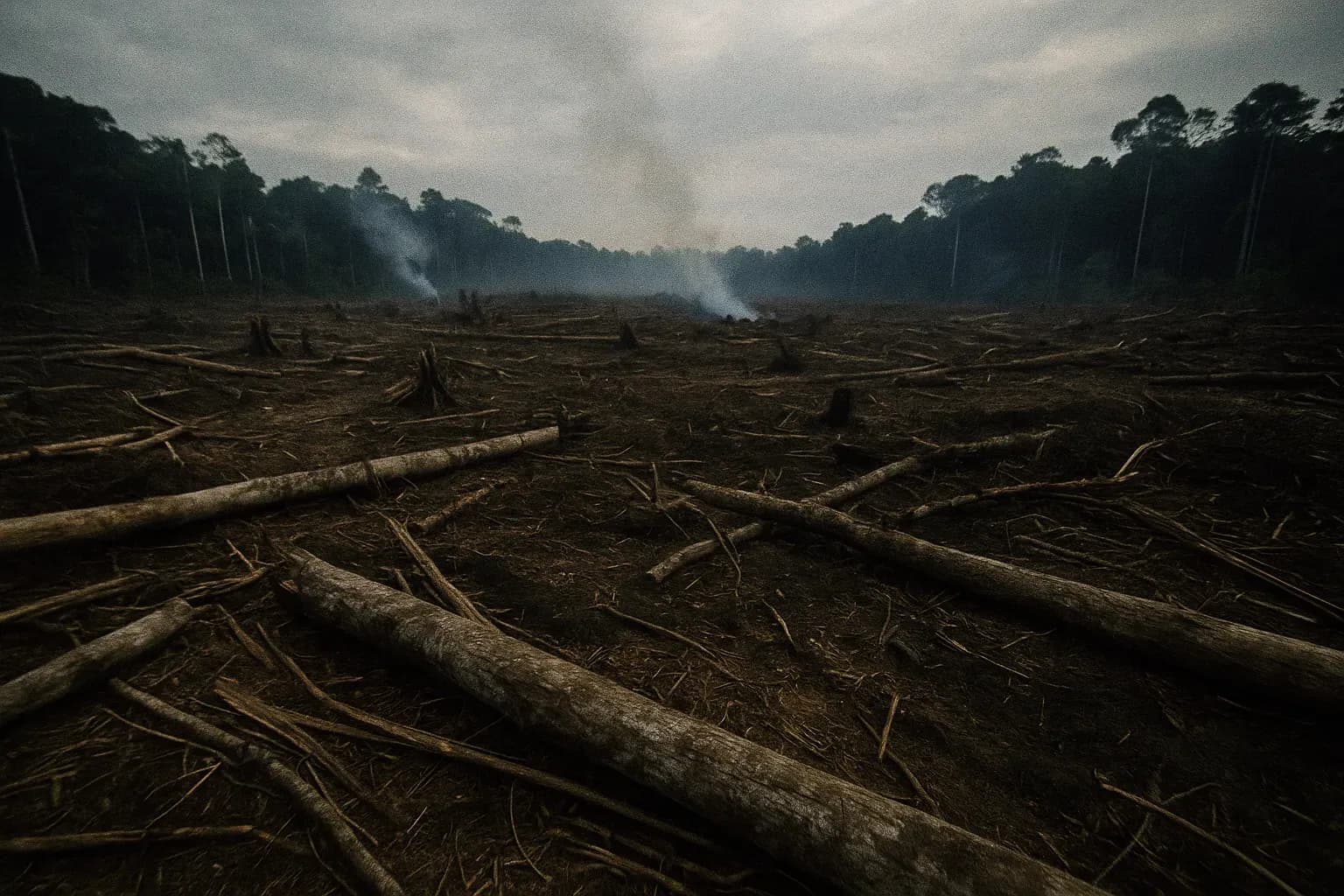
The environmental toll was staggering. The oil slick spread across 1,300 miles of Alaskan coastline, poisoning one of North America's most ecologically sensitive regions. The death count was equally grim: approximately 250,000 seabirds perished, along with 2,800 sea otters, 300 harbor seals, and 250 bald eagles. Marine life suffered catastrophically, with up to 22 killer whales killed and billions of salmon and herring eggs destroyed, devastating fish populations for years to come.
Timeline
Exxon Valdez sets sail
The oil tanker leaves the Alyeska Pipeline Terminal in Alaska at 9:12 p.m., bound for Long Beach, California.
Collision with Bligh Reef
At 12:04 a.m., the Exxon Valdez strikes Bligh Reef in Prince William Sound. Eight of eleven cargo holds are torn open, and around 40 million liters of crude oil spill into the sea.
Clean-up work begins
The first rescue and containment measures are initiated. Over the following months, around 10,000 workers, 1,000 boats and 100 aircraft are deployed.
Oil slick spreads
The oil slick spreads massively and begins contaminating Alaska's coastline. In total, around 1,300 kilometers of coast are affected.
Captain Hazelwood dismissed
Captain Joseph J. Hazelwood is dismissed after investigations show he was under the influence of alcohol and had left the helm to unqualified personnel.
Oil Pollution Act passed
In direct response to the disaster, the U.S. Congress passes a law with stricter rules for oil tankers and liability provisions.
Settlement and fines
Exxon agrees to a settlement. The total costs for clean-up, compensation and fines amount to approximately 4.3 billion U.S. dollars.
Investigations into the cause revealed a cascade of human and systemic failures. The National Transportation Safety Board (NTSB) identified five critical factors. Third Mate Gregory Cousins failed to properly maneuver the vessel, compounded by fatigue and excessive workload. More troublingly, Captain Joseph J. Hazelwood, the Exxon Valdez's master, failed to maintain proper navigation watch—evidence later emerged suggesting alcohol impairment on his part. Exxon Shipping Company itself bore responsibility for inadequate crew supervision and management. The U.S. Coast Guard's vessel traffic system proved wholly inadequate for the task of monitoring maritime activity in the region. Finally, the absence of effective pilot and escort services left the massive tanker vulnerable to navigation errors.
Hazelwood would later be terminated following evidence of his alcohol consumption before the accident. First Mate James Kunkel had even informed the captain that the vessel was structurally unsound, a warning that went unheeded.
While the spill itself claimed no direct deaths, the human cost extended far beyond the immediate disaster. Four workers died during cleanup operations, and 6,722 cleanup workers reported serious respiratory illnesses—conditions later attributed to exposure to toxic fumes and crude oil vapors. These workers faced long-term health consequences for their efforts to remediate the disaster.
The Exxon Valdez catastrophe became a watershed moment for environmental policy and maritime regulation in the United States. The spill exposed critical vulnerabilities in oversight, vessel management, and emergency response protocols. For the residents of Alaska and the nation's environmental movement, the disaster served as a stark reminder of the fragility of natural ecosystems and the catastrophic consequences of human negligence at industrial scale.
Thirty-five years later, Prince William Sound continues to recover from the spill's legacy, serving as a sobering case study in environmental stewardship and industrial accountability.
## Sources - https://usa.oceana.org/exxon-valdez-oil-spill-facts/ - https://www.amcmuseum.org/history/exxon-valdez-oil-spill/ - https://en.wikipedia.org/wiki/Exxon_Valdez_oil_spill - https://darrp.noaa.gov/oil-spills/exxon-valdez - https://evostc.state.ak.us/oil-spill-facts/details-about-the-accident/
Ask about this case
Answers from KrimiNyt's coverage onlyFollow this case
Get an email when a new documentary, podcast or book about Exxon Valdez: America's Environmental Catastrophe appears, or when a verdict is reached.