Lake Bodom: Acquitted After 44 Years
The sole survivor of Finland's most infamous unsolved murders walked free in 2005, cleared by a court that found the evidence unconvincing
Published June 6, 2025
Case Details
Quick Facts
Classification:
Quick facts
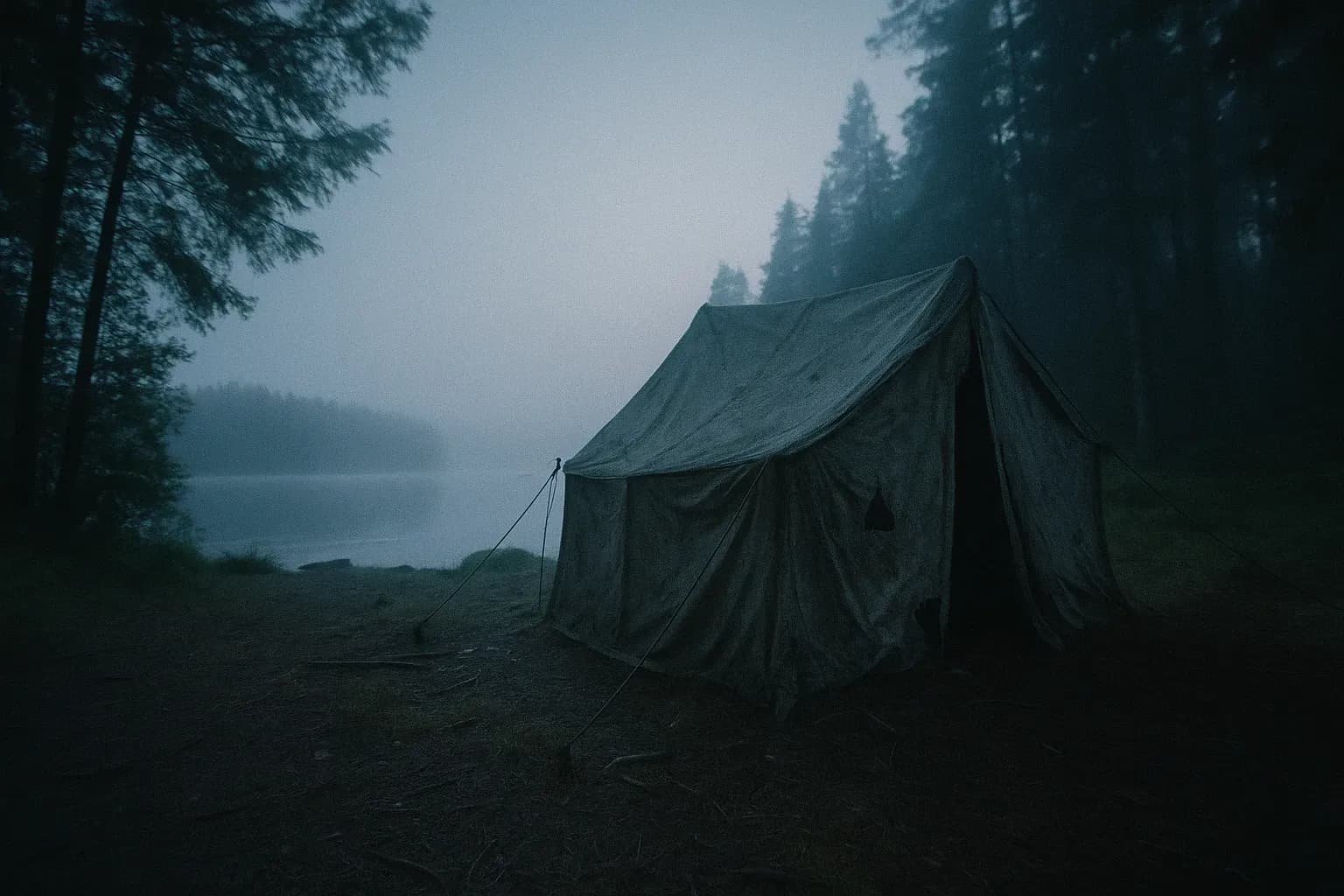
On a June morning in 1960, the Finnish summer idyll shattered when four teenagers camping at Lake Bodom near Espoo were attacked in their tent. Three did not survive the night. Nearly half a century later, the sole survivor would stand trial for their deaths—only to walk free.
The victims were Maila Irmeli Björklund, 15; Anja Tuulikki Mäki, 15; and Seppo Antero Boisman, 18. Between 4:00 a.m. and 6:00 a.m. on Sunday, June 5, an assailant entered their tent and stabbed and bludgeoned them with brutal efficiency. Nils Gustafsson, 18 at the time, was discovered on top of the tent, barefoot and injured, with fractured facial bones. He would become the key—and only—witness to what the Finnish public would call their nation's most puzzling crime.
Gustafsson initially described his attacker as a figure dressed in black with unnaturally bright red eyes, a detail that would haunt discussions of the case for decades. Yet despite this vivid account, investigators made little progress. The case went cold.
Timeline
Brutal attack at Lake Bodom
Four young people are attacked in their tent. Three die, Nils Gustafsson survives severely injured.
Investigation begins
Finnish police launch an extensive investigation, which over the following decades yields no conclusive results.
Arrest of the survivor
Almost 44 years after the crime, Nils Gustafsson is arrested and charged with triple murder.
Trial begins
The trial against Gustafsson begins at a Finnish court.
It remained cold until 2004, when Finnish police made an unexpected move: they arrested Gustafsson, now 64 years old, on suspicion of the murders. The evidence was circumstantial but provocative. Shoes believed to belong to the killer had been discovered 500 meters from the tent and hidden away. DNA analysis revealed blood from all three victims on those shoes—but notably, no trace of Gustafsson's blood was found on them.
The trial began on August 4, 2005. Prosecutors argued that the physical evidence—the shoes with the victims' blood—implicated Gustafsson. The defense countered with two fundamental challenges: Gustafsson's injuries, they argued, would have made him physically incapable of committing the crimes. Moreover, they maintained that one or more outsiders remained the true perpetrators.
On October 7, 2005, the court reached its verdict. Gustafsson was acquitted unanimously. The judges determined that the prosecution's evidence, while suggestive, was not conclusive. They found no proven motive. And crucially, they held that too much time had elapsed and too many facts remained impossible to establish with certainty. After 44 years, the fog surrounding Lake Bodom had not lifted enough to secure a conviction.
The acquittal was not without consequences for Gustafsson's ordeal. Finland's courts recognized the toll of the investigation and trial. In compensation for 59 days spent in remand—held in custody while awaiting trial—Gustafsson received €44,900 for mental suffering.
The Lake Bodom murders remain officially unsolved. No one has ever been convicted. The killer or killers, if still alive, have never been identified. Gustafsson, the teenage survivor who witnessed the violence that June morning, lived to see the case against him collapse, his freedom secured by a legal system that could not be certain beyond doubt. The mystery endures, a cold case that refuses to warm despite the passage of time.
Sources
https://en.wikipedia.org/wiki/Lake_Bodom_murders
https://dyatlovpass.com/lake-bodom-murders
Ask about this case
Answers from KrimiNyt's coverage onlyFollow this case
Get an email when a new documentary, podcast or book about Lake Bodom: Acquitted After 44 Years appears, or when a verdict is reached.