Bhopal 1984: The World's Deadliest Industrial Disaster
How a pesticide plant catastrophe exposed half a million people to toxic gas and killed thousands
Published June 6, 2025
Case Details
Quick Facts
Classification:
Quick facts
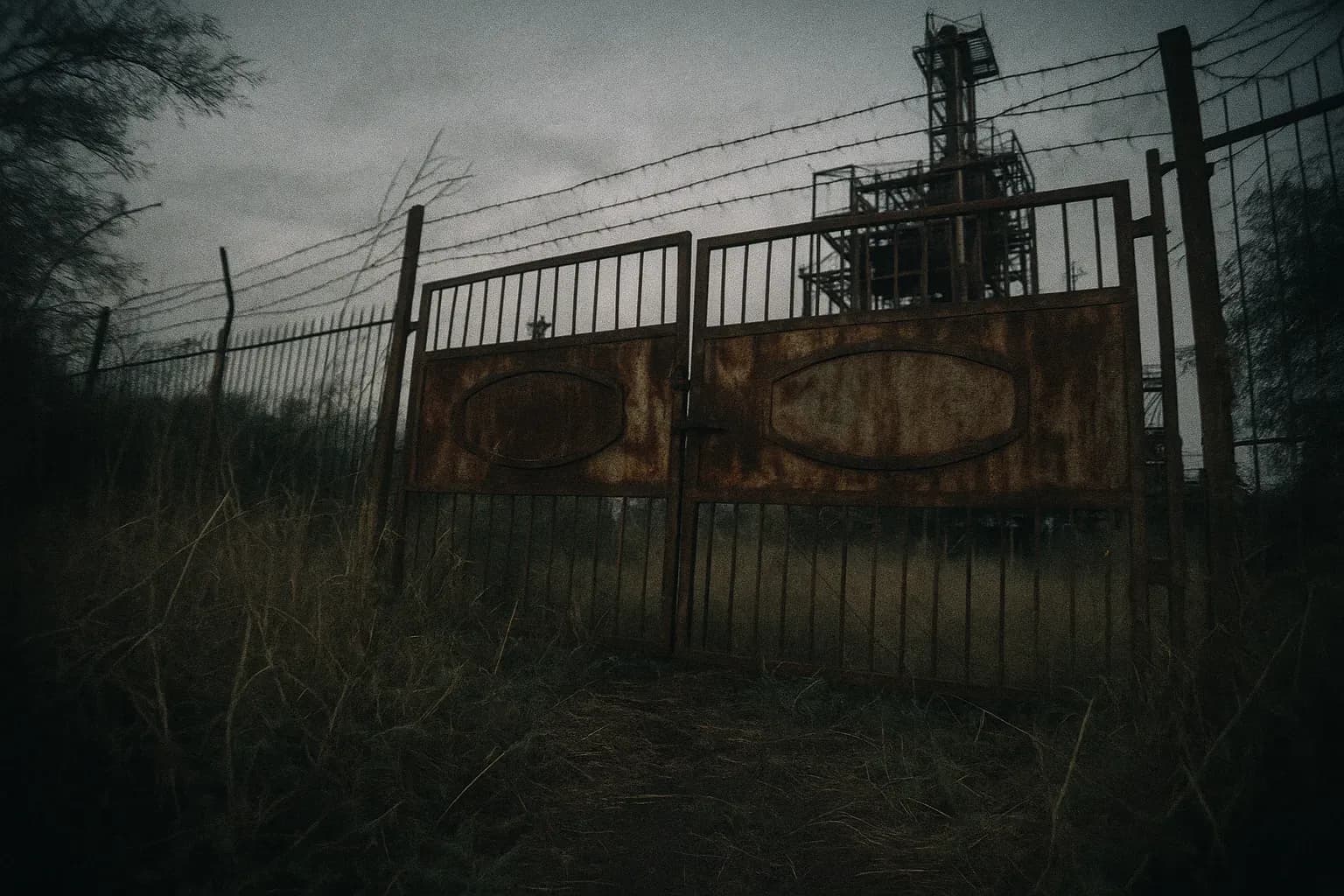
On the night of December 2-3, 1984, a catastrophic methyl isocyanate (MIC) gas leak at the Union Carbide India Limited pesticide plant in Bhopal, Madhya Pradesh, transformed a routine industrial evening into a humanitarian nightmare. Over 500,000 people were exposed to the deadly gas, and between 15,000 and 25,000 perished—making it the world's deadliest industrial disaster.
The disaster began late on December 2 when water unexpectedly entered MIC storage tank E610 during unclogging attempts. The intrusion triggered a violent chemical reaction, causing temperature and pressure to spike uncontrollably. Around 1:00 AM on December 3, the storage tank's safety valve failed catastrophically, and somewhere between 27 and 45 tons of toxic gas vented into the atmosphere above the sleeping city.
What made the catastrophe even more devastating was the state of the plant's safety infrastructure. Union Carbide's own investigation later admitted that none of the six critical safety systems were operational on the night of the disaster. The vent gas scrubbers, flare tower, steam boiler, and MIC tank refrigeration—all designed to prevent exactly this kind of release—were either broken, poorly maintained, or deliberately shut down. The refrigeration unit, which could have prevented the chemical reaction, had been switched off to save money.
Timeline
The evening before the disaster
At the Union Carbide pesticide plant in Bhopal, routine operations continue. Safety deficiencies and staff shortages are ignored.
Gas leak in the night
Around midnight, about 45 tons of highly toxic methyl isocyanate gas leak from a tank. A deadly cloud spreads over the sleeping city.
Thousands die instantly
In the early morning hours, thousands of people die from suffocation, circulatory failure and pulmonary edema. Over 500,000 people are exposed to the poison.
The scale of the disaster becomes visible
The first official death tolls speak of over 2,000 dead. Hospitals are completely overwhelmed, thousands are fighting to survive.
Settlement with Union Carbide
Union Carbide Corporation pays 470 million dollars in compensation – many victims and observers consider the amount completely inadequate.
Official death toll rises
By the end of 1991, 3,928 people are officially dead as a result of the disaster. The unreported number is believed to be far higher.
Behind these mechanical failures lay systemic neglect and cost-cutting at every level. The plant was chronically understaffed; operators had been reduced by half, and trainees were performing complex tasks they weren't qualified for. Maintenance had been slashed, pressure gauges malfunctioned, and the MIC tanks were routinely overfilled beyond safe capacity. These weren't accidents—they were deliberate choices made to maximize profits at the expense of worker and community safety.
The immediate human toll was staggering. At least 3,000 people died in the immediate aftermath, with some estimates suggesting up to 10,000 deaths within the first three days. Those who survived faced lifelong consequences. A 2006 government affidavit documented 558,125 injuries from the exposure, including 38,478 cases of temporary partial disability and 3,900 cases of severe or permanent damage.
The corporate response was equally damning. Warren Anderson, the CEO and chairman of Union Carbide Corporation, flew to India and was arrested on December 7, 1984, for causing death by negligence. He posted bail and returned to the United States, where he never faced trial. Union Carbide itself refused to fully clean up the site, refused to disclose the complete chemical composition of the gas, and refused adequate compensation to victims.
Four decades later, Bhopal remains a monument to corporate negligence and justice denied. The plant site was never properly remediated. Soil and groundwater testing in 1999 revealed mercury levels 20,000 to 6 million times higher than expected, and trichloroethene concentrations 50 times above EPA limits. Union Carbide, later acquired by Dow Chemical, continued to evade full responsibility and refuse safe water solutions to affected communities.
The Bhopal disaster stands as a stark reminder of what happens when profit margins are prioritized over human lives, when safety systems are treated as expendable luxuries, and when corporations operate without meaningful accountability.
Sources: - https://repository.law.wisc.edu/s/uwlaw/page/bhopal-history - https://en.wikipedia.org/wiki/Bhopal_disaster - https://www.bhopal.org/continuing-disaster/the-bhopal-gas-disaster/union-carbides-disaster/ - https://www.smithsonianmag.com/smart-news/the-worlds-deadliest-industrial-disaster-exposed-500000-people-to-toxic-gas-and-claimed-thousands-of-lives-180985434/ - https://pmc.ncbi.nlm.nih.gov/articles/PMC1142333/
Ask about this case
Answers from KrimiNyt's coverage onlyFollow this case
Get an email when a new documentary, podcast or book about Bhopal 1984: The World's Deadliest Industrial Disaster appears, or when a verdict is reached.