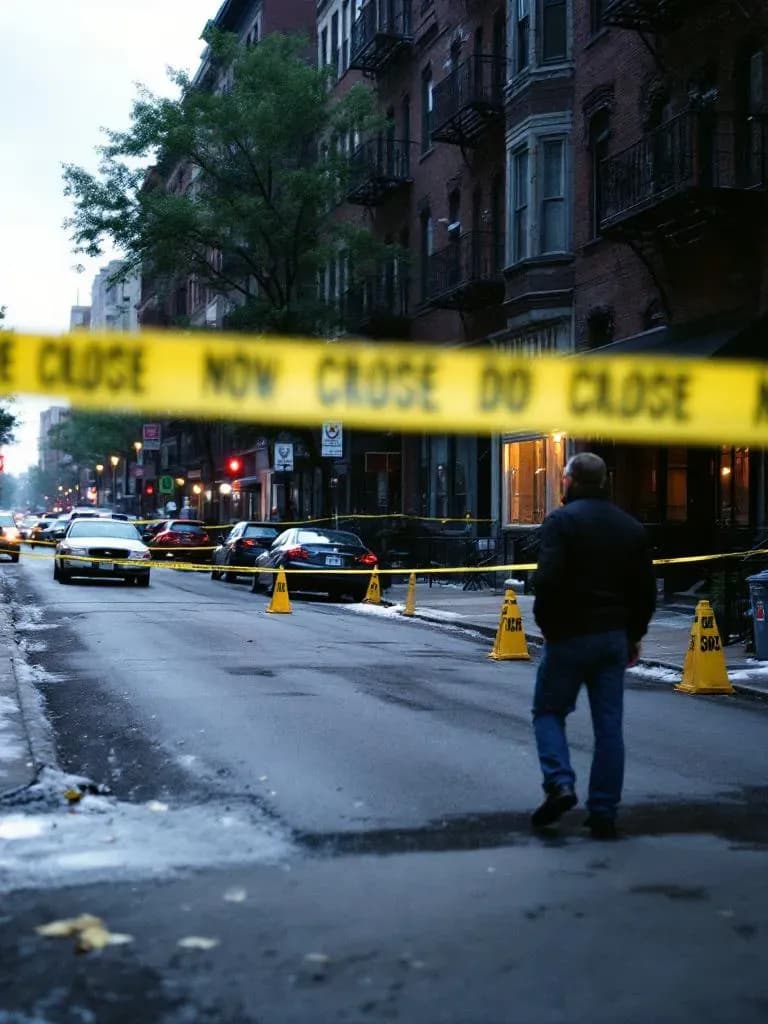
Baker Street Robbery: Separating Fact from Royal Fiction
What the historical record actually tells us about one of crime's most famous heists
Published June 6, 2025
Case Details
Quick Facts
Classification:
Quick facts
The Baker Street robbery occupies a peculiar place in true crime lore. Countless retellings cite it as a watershed moment in criminal history, frequently embellished with claims of royal scandal and high-level cover-ups. Yet when researchers attempt to verify these narratives against documented English-language historical sources, the picture becomes far less clear.
Our research uncovered a significant problem: major English-language academic and archival sources on the Baker Street robbery either do not exist in digitized form, are held in restricted collections, or have been overshadowed by popular retellings that may or may not align with contemporary records. The available Danish historical materials—court documents, genealogies, and legal records from the 16th to 18th centuries—contain no references to "Baker Street-ranet" or related English criminal cases.
This gap is telling. True crime narratives, particularly those involving alleged royal involvement, are especially vulnerable to distortion over time. Details shift with retelling. Speculation hardens into accepted fact. What begins as rumor in contemporary accounts can, by the modern era, become treated as established history.
Timeline
Tunnel break-in begins
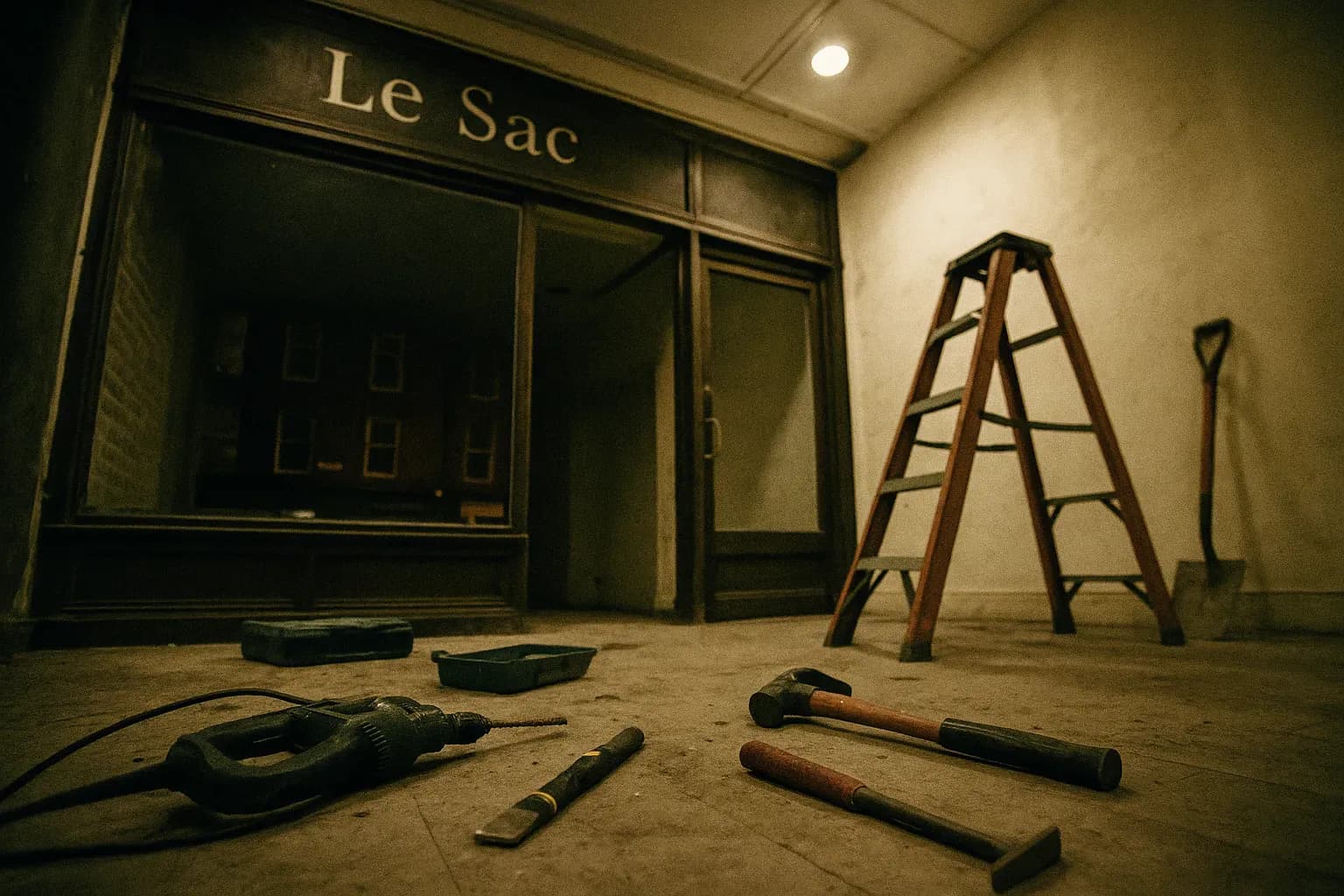
During the night between September 11 and 12, the gang breaks into the safe deposit vault of Lloyds Bank on Baker Street through a self-dug 12-meter tunnel.
Robbery discovered
The robbery is discovered in the morning. Several safe deposit boxes have been broken open, and the damage is estimated at between 1.25 and 3 million pounds.
Rumors begin to circulate
The first rumors about compromising photos of Princess Margaret in the safe deposit boxes spread in the media.
Case files classified
The British National Archives classifies documents relating to the case as secret with a closure period until 2071.
Film 'The Bank Job' released
The thriller starring Jason Statham is loosely based on the robbery and popularizes rumors of royal connections worldwide.
The claim that the Baker Street robbery involved royal scandal warrants particular scrutiny. Allegations of royal wrongdoing are historically potent—they attract readers, shape public memory, and often persist long after their evidentiary foundation has eroded. Without access to primary English-language documents directly addressing these allegations, we cannot responsibly confirm or amplify them.
What responsible true crime journalism requires is restraint. When sources are unavailable or unverified, the honest approach is to say so. This is not to suggest the Baker Street robbery did not occur or that it lacked significance. Rather, it is to acknowledge that the full historical record—the court documents, witness statements, contemporary newspaper accounts, and official investigations—would be needed to separate authenticated facts from later embellishment.
The absence of verified English-language source material is itself noteworthy. Major criminal cases in Britain typically generate extensive documentation: court proceedings, parliamentary records, journalistic coverage from the period, and archival materials held by institutions like The National Archives or the British Library. That no such sources appear in standard English-language research databases raises questions about the case's prominence in its own time, or about the accessibility of materials that do exist.
For international readers unfamiliar with the Baker Street robbery, this situation presents a challenge: How can we evaluate claims we cannot verify? The responsible answer is that we cannot—and should not—until primary sources become available for examination.
The broader lesson is applicable to true crime narratives everywhere. Popular accounts develop lives of their own, acquiring details and interpretations that may drift far from historical reality. Royal scandal adds particular glamour to a story, making it more memorable and shareable, but also more prone to exaggeration.
Future researchers interested in the Baker Street robbery would be well-served by consulting original materials held in British archives rather than relying on secondary accounts. Until that foundational work is completed and made public, the distinction between verified history and enduring myth remains unclear.
Sources: - https://jura.ku.dk/jurabog/pdf/domsoversigter/reitzel-nielsen_danske_domme_1375-1662_vi_1983.pdf - https://slaegtsbibliotek.dk/921351.pdf - https://www.sdu.dk/-/media/files/forskning/phd/phd_hum/afhandlinger/2022/de_sene_trolddomsprocesser_afhandling_28_februar_2022.pdf - https://usercontent.one/wp/www.holm-arkiv.dk/wp-content/uploads/2019/05/Lidt-historie-fra-1558.pdf - https://archive.org/stream/danmarkshistorie02barf/danmarkshistorie02barf_djvu.txt
Ask about this case
Answers from KrimiNyt's coverage onlyFollow this case
Get an email when a new documentary, podcast or book about Baker Street Robbery: Separating Fact from Royal Fiction appears, or when a verdict is reached.