behavioral analysis
A systematic method for analyzing observable actions, patterns, and reactions in criminal investigations. Not a distinct legal concept in Danish law, but an analytical tool used to assess conduct in relation to criminal liability requirements.

Definition
Behavioral analysis is a structured approach to examining a person's observable conduct, behavioral patterns, and responses to circumstances. In Danish criminal law, it functions as an analytical method rather than a standalone legal doctrine, used to evaluate whether specific actions meet the objective and subjective elements required for criminal liability under relevant statutes.
The method involves identifying patterns in how an individual acts, reacts, and adapts their behavior over time. In legal contexts, this analysis helps determine factual circumstances—what actually occurred—and whether the conduct satisfies both the actus reus (objective criminal act) and mens rea (subjective mental state) required by specific criminal provisions. Courts may consider behavioral patterns when assessing intent, premeditation, or the credibility of explanations offered by defendants.
In true crime narratives, behavioral analysis often takes a broader investigative form, examining escalation patterns, manipulative tactics, or pre-offense conduct to understand criminal motivation and modus operandi. This usage extends beyond strict legal requirements to encompass psychological profiling and pattern recognition that may inform investigations but does not itself constitute legal evidence or doctrine.
The legal significance of any behavioral analysis depends entirely on the specific criminal provision being applied and the factual circumstances of the case. Danish courts assess behavior through the lens of established legal elements—such as those in Straffeloven § 266 b regarding hateful expressions or other conduct-based offenses—rather than through behavioral analysis as an independent legal framework. The analytical method serves the law; it does not create legal standards on its own.
Related entries
Related articles

Danish Defense Attorney Kim Bagge Explores Courtroom Challenges
Forsvarsadvokat Kim Bagge, a Danish defense attorney, discusses the complexities and challenges that arise within the courtroom environment. His insights into legal defense and the judicial system offer perspective on how defense rights function in practice.

Danish Podcast Explores Killer Clown and Buried Alive Case
A Danish true crime podcast has dedicated an episode to investigating cases involving a killer clown and a woman buried alive in a cardboard box. The Mørkeland podcast's coverage spans incidents allegedly occurring in Denmark, Australia, England, Shanghai, and Aarhus.

When True Crime Goes Wrong: A Nordic Outlet's Reckoning
A Danish true crime publication has retracted a fabricated murder case, admitting it conflated real incidents from Scotland, Denmark, and Sweden into a false narrative. The incident highlights the challenges facing Nordic true crime outlets operating with limited English-language verification systems.
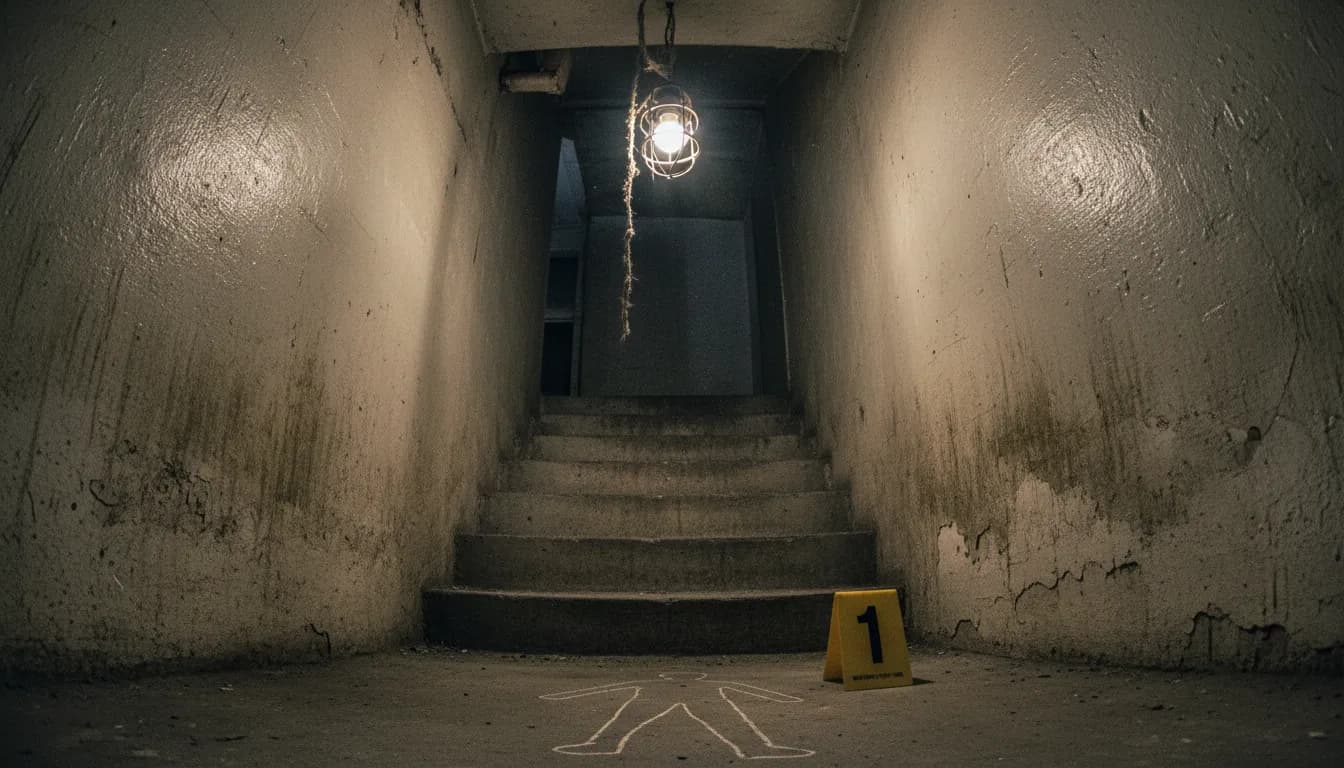
DNA, Doubt, and a Danish Hospital Murder
On October 23, 1990, a 20-year-old nurse's aide was found strangled in the basement of a Copenhagen-area hospital. The case that followed would test Denmark's emerging forensic science and raise enduring questions about justice—now revisited in a new podcast investigation.

Inside the Stalker's Mind: New Podcast Maps Five Dangerous Patterns
A new five-part podcast exploring stalking's psychological roots is drawing international attention for its systematic breakdown of predatory patterns. Hosted by award-winning journalist Ruchira Sharma and featuring forensic psychologist Dr. Rachael Wheatley, 'Anatomy of a Stalker' identifies five distinct stalker typologies based on decades of clinical research.