The Tinder Swindler: How a Conman Exposed Dating's Dark Side
Netflix's documentary reveals how Israeli fraudster Shimon Hayut manipulated women across Europe through a sophisticated romance scam worth millions
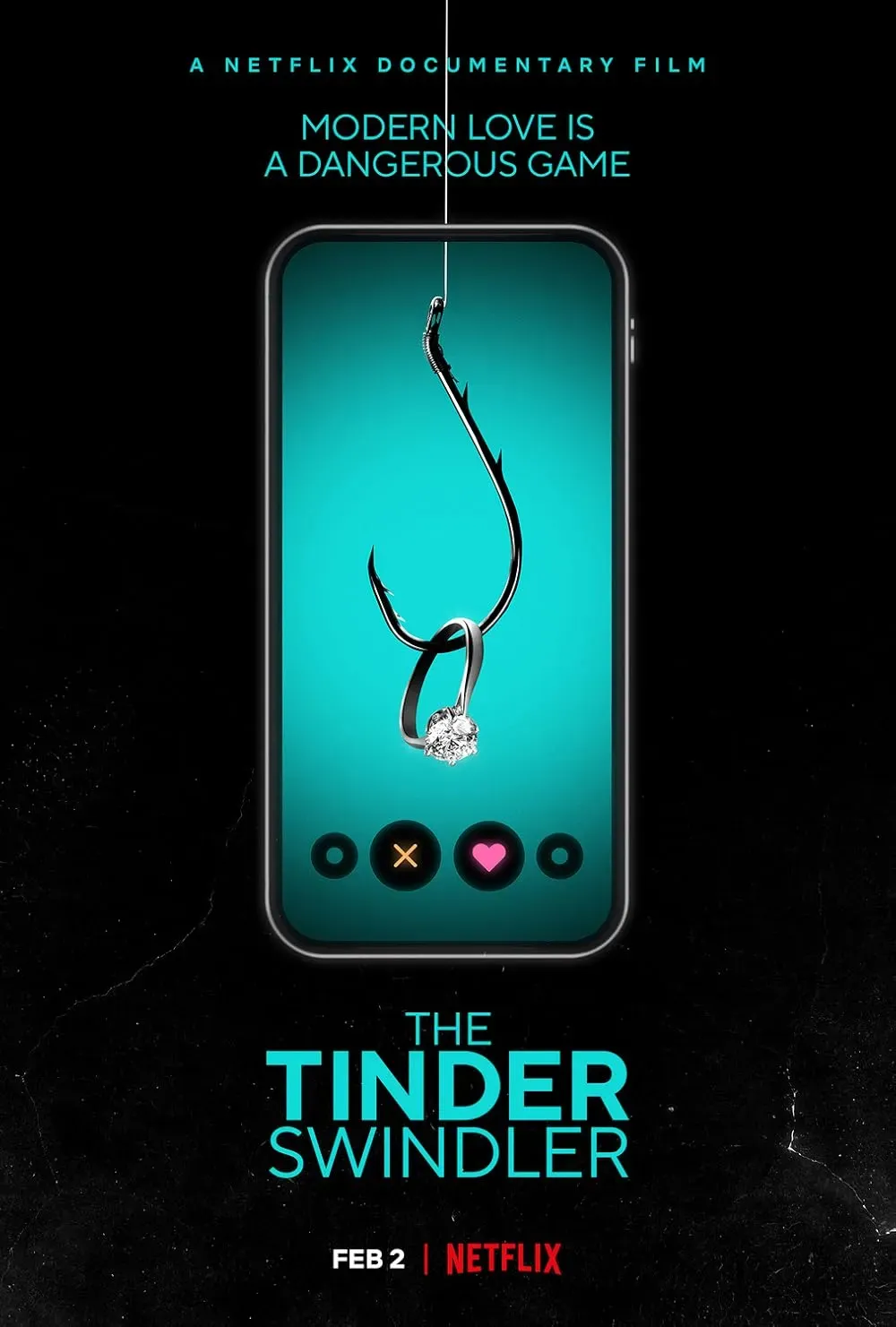
In February 2022, filmmaker Felicity Morris released *The Tinder Swindler* on Netflix, a documentary that would spark global conversation about the dangers lurking behind dating app interfaces. The film tells the story of Shimon Hayut, an Israeli conman who operated across Europe, systematically deceiving women he met through Tinder into lending him hundreds of thousands of dollars under false pretenses.
Hayut's scheme was audacious in its simplicity. He created a synthetic identity called Simon Leviev, claiming to be the son of Lev Leviev, a real Israeli diamond magnate. By borrowing the name and reputation of an actual billionaire, Hayut manufactured credibility that his victims had no reason to doubt. On Tinder, he presented an image of extraordinary wealth: private jets, luxury dinners at exclusive restaurants, and an enviable lifestyle that seemed to confirm his fabricated backstory.
What made Hayut's operation particularly insidious was how he weaponized his victims' emotions. After establishing romantic connections, he would fabricate emergencies. He claimed enemies were targeting him—a narrative he reinforced with gruesome photographic "evidence" of attacks on his bodyguards, complete with fake knife wounds. These manufactured crises created a sense of urgency and compassion in his victims, who felt compelled to help the man they believed they were falling for.
The financial mechanics of his scheme operated as a classic Ponzi structure. Hayut would ask victims to lend him money to resolve his supposed security crisis, claiming his accounts had been frozen. To appear trustworthy, he sent forged bank transfer documents suggesting repayment. Meanwhile, funds from new victims kept the operation afloat while sustaining the façade of legitimacy. Victims who questioned him or resisted further demands faced intimidation and threats.
The documentary features at least three women who fell victim to Hayut's manipulation, though he scammed dozens across multiple European countries. These weren't people looking for easy money or lacking judgment—they were ordinary women who encountered someone who exploited their capacity for trust and empathy. The total financial damage exceeded an estimated $10 million, a figure that underscores the scale of his operation.
Morris's documentary arrived at a critical moment for dating platforms. The film exposed vulnerabilities that Tinder and other apps had failed to adequately address: identity verification gaps, the ease with which synthetic profiles could be created, and the difficulty in detecting financial manipulation across borders. The documentary showed Hayut was still active on Tinder even as it was being filmed—a damning indictment of platform oversight.
The release triggered swift corporate responses. Tinder permanently banned Hayut from its platform. Match Group, which owns multiple dating apps, extended the ban to Hinge, Match.com, Plenty of Fish, and OkCupid. These measures came too late for his victims but represented an acknowledgment that the industry had been caught unprepared for this type of threat.
*The Tinder Swindler* became more than entertainment; it became a cautionary tale about the intersection of technology, romance, and crime. It demonstrated how dating apps, designed to connect strangers based on mutual attraction, could be weaponized by sophisticated fraudsters who understood human psychology as well as they understood how to exploit digital systems. For millions of viewers, the documentary served as a stark reminder that the person on the other end of that screen might not be who they claim to be.
The film's impact extended beyond awareness-raising. It prompted conversations within the industry about mandatory identity verification, transaction monitoring, and cross-platform information sharing to prevent repeat offenders. Whether these conversations translate into meaningful systemic change remains an ongoing question for a dating industry still grappling with how to balance user privacy with robust security.
**Sources:** https://en.wikipedia.org/wiki/The_Tinder_Swindler https://www.telesign.com/blog/identity-verification-tinder-swindler