imprisonment
Custodial punishment under Danish law, imposed for 7 days to 16 years or for life
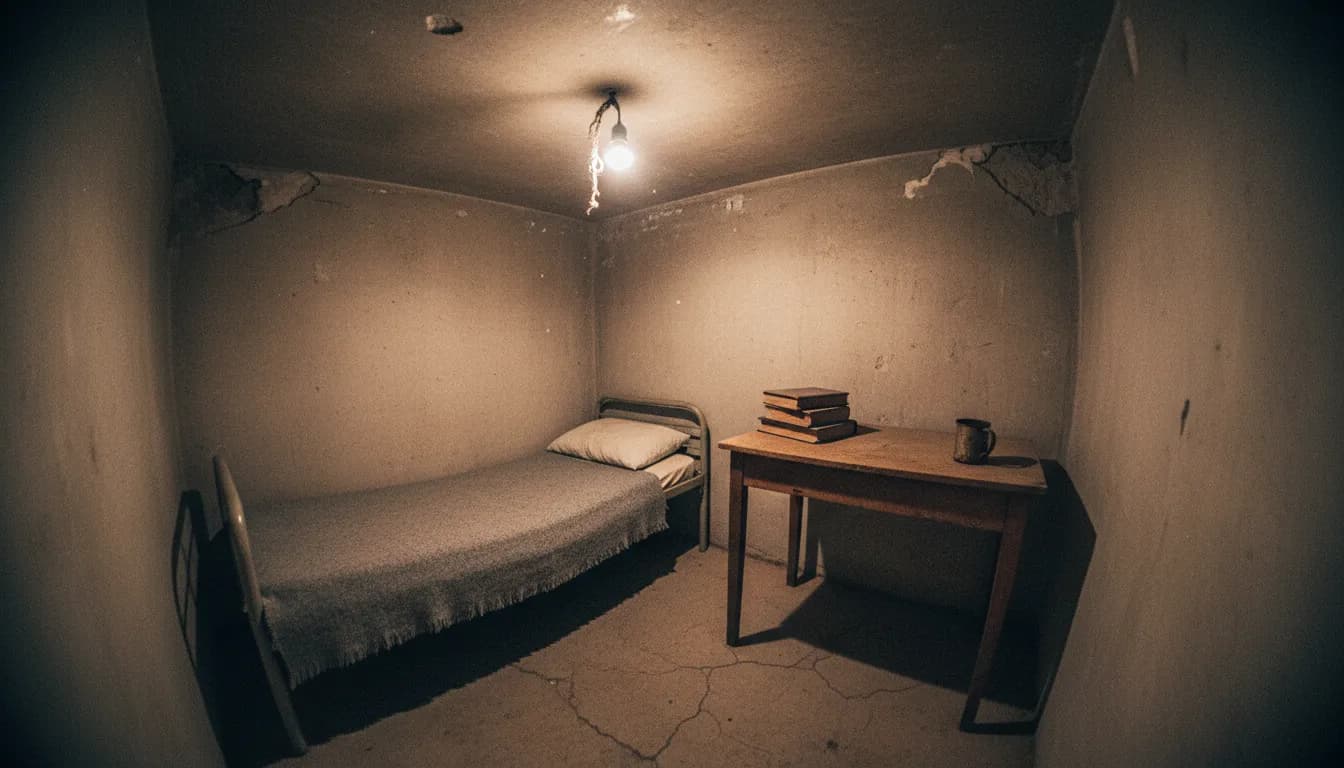
Imprisonment is a custodial penalty and, under Danish law, the more severe of the two ordinary types of punishment — imprisonment and fines. It differs from pre-trial detention, which is a provisional measure during an investigation; imprisonment as a punishment presupposes a final conviction by a court. Under the Danish Penal Code (straffeloven) § 31, imprisonment and fines are the two ordinary punishments the courts may impose.
Penal Code § 33 sets the time limits: a fixed-term prison sentence cannot be imposed for less than 7 days or for more than 16 years. In particularly serious cases — for example homicide or terrorism offences — imprisonment may be imposed for life, which in Denmark means without a fixed end date, but with the possibility of release upon application.
The length of the sentence is determined by the court within the sentencing ranges laid down in the relevant penal provision. In fixing the sentence, the court must take into account the gravity of the offence, the personal circumstances of the offender and any aggravating or mitigating circumstances, in accordance with the general sentencing provisions of the Penal Code.
A prison sentence is as a rule served in one of the closed or open prisons of the Danish Prison and Probation Service (Kriminalforsorgen). Under certain conditions the sentence may be served in another way, for example under the electronic tagging scheme (electronic monitoring), if the sentence does not exceed certain limits and the convicted person meets the prescribed requirements.