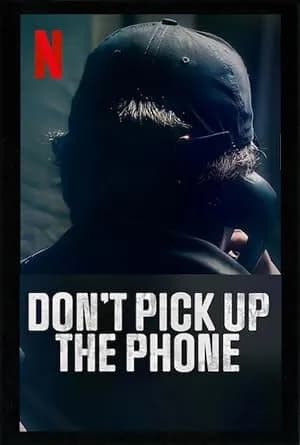
Don't Pick Up the Phone
Netflix, 2022 — The strip-search hoax calls that terrorized fast-food workers across 32 states
Quick facts
What Is the Series About?
Don't Pick Up the Phone is a Netflix documentary series that examines one of the most disturbing and underreported crime patterns in modern American history: a decade-long campaign of hoax phone calls in which an anonymous man, posing as a police detective, convinced fast-food restaurant managers to strip-search, restrain, and in some cases sexually abuse their own employees. Released on December 14, 2022, and directed by Sara Mast, the three-episode series is rated TV-MA and follows the investigation into how a single voice on a telephone managed to cause so much real-world harm across so many states and institutions.
The series does not treat this as a single isolated incident. It frames the hoax calls as a systemic failure — of workplace authority, of blind obedience to perceived law enforcement, and of the institutions that were slow to recognize a pattern even as reports piled up from coast to coast.
---
The Case
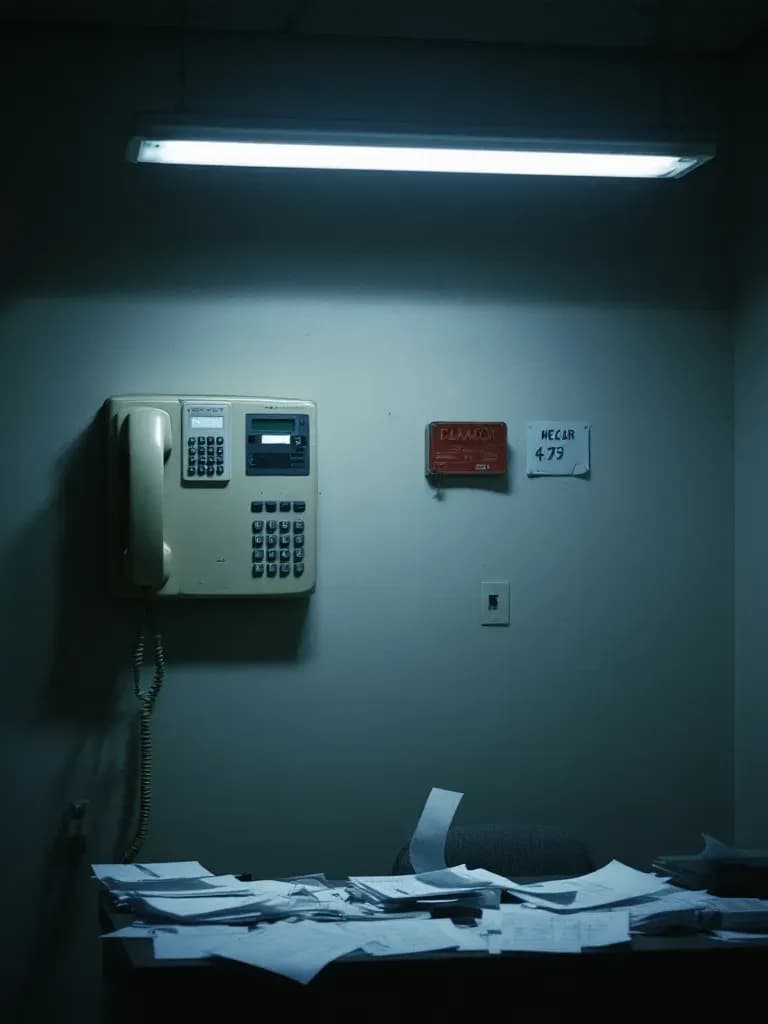
According to reporting and the documentary itself, the hoax calls began as early as 1994 and continued well into the 2000s, with incidents documented in 32 states and dozens of individual fast-food locations targeted. The caller's method was consistent: he would phone a restaurant, claim to be a police officer or detective investigating an employee for theft or drug possession, and then use authoritative language and psychological pressure to persuade on-site managers to carry out searches and detentions — tasks that no legitimate officer would ever delegate to an untrained civilian over the phone.
The most notorious single incident took place in 2004 at a McDonald's in Mount Washington, Kentucky. The caller convinced a manager that 18-year-old employee Louise Ogborn was suspected of theft. Over the course of several hours, Ogborn was strip-searched, held against her will, and subjected to sexual abuse — all while the caller remained on the line issuing instructions. The case drew national attention because of its extreme nature and because it exposed how completely some managers surrendered their own judgment to a disembodied voice claiming official authority.
As documented in the Courier-Journal's coverage of the case, the Mount Washington incident became the focal point of both criminal prosecution and broader public debate about obedience, institutional accountability, and the psychology of compliance.
The Suspect: David Stewart
Investigators eventually identified David Stewart, a former restaurant worker from Florida, as the primary suspect in the Kentucky case. He was brought to trial, facing up to 15 years in prison if convicted. However, as Screen Rant's reporting on the case explains, a jury found Stewart not guilty, and he was acquitted due to what was characterized as insufficient evidence. He has since kept a low profile.
The acquittal left the broader case in legal limbo. The documentary is candid about this outcome: the person most investigators believed was responsible walked free, and the full pattern of calls across 32 states is, for all practical purposes, unsolved. No one has ever been conclusively convicted as the mastermind behind the decade-long hoax campaign.
Louise Ogborn
Louise Ogborn, who was 18 years old at the time of the 2004 incident, is the central victim in the series' most detailed case study. Her story is told with the hoax calls framed not as a prank gone wrong but as a serious crime enabled by authority structures that failed her entirely — the caller, the manager who complied, and the broader culture of deference that made the hoax possible in the first place.
The series also acknowledges that Ogborn's case, while the most extensively documented, was far from the only one. Additional victims across many states are referenced throughout the three episodes, underscoring the scale of the pattern.
---
Production
Don't Pick Up the Phone was directed by Sara Mast, whose involvement was confirmed through IMDb news coverage of the series. The three-episode format gives the documentary room to move between the individual horror of Louise Ogborn's experience and the macro-level investigation into how such a wide-ranging hoax operated for so long without being stopped.
The series uses the format common to prestige true-crime documentary work: interviews with those connected to the case, archival material, and a structural build that moves from the crime itself toward questions of justice — or its absence. The production's approach is notable for refusing to treat the hoax as mere dark comedy or absurdist prank; it is presented throughout as a serious crime with real victims and unresolved legal and moral consequences.
---
Reception
Dexerto's coverage of the series described it as a deep dive into a disturbing true story that many viewers had never fully encountered before. Critics and viewer commentary consistently used words like disturbing, infuriating, and unsettling — not primarily because of graphic content, but because of the documentary's central and deeply uncomfortable argument: that ordinary people, when presented with a convincing authority figure, can be led to do extraordinary harm to other ordinary people.
Decider's review of the series highlighted the series' effectiveness at conveying the real-world impact of what might superficially sound like a prank, noting that the documentary grounds the story in genuine human cost rather than sensationalism.
A recurring point of discussion among viewers and critics is the hostile compliance problem at the heart of the case: why did so many managers at so many different locations, over so many years, follow instructions from a stranger on a telephone without seeking any verification? The documentary does not let institutions off the hook, and this framing — which implicates not just the caller but also workplace culture, deference to authority, and the absence of basic safety protocols — generated considerable debate following the series' release.
The series currently holds an IMDb title registration under ID tt23826740, though a verified audience or critic rating score is not confirmed in available sources at time of publication.
---
The Case Today
As of the series' release in late 2022, the legal status of the broader hoax call campaign remains effectively unresolved. David Stewart was acquitted and has not faced further prosecution. No other individual has been charged in connection with the full pattern of calls across 32 states. The case is generally treated by investigators and journalists as an open and unsolved matter.
For Louise Ogborn, civil litigation following the 2004 incident drew further attention to the question of institutional liability — specifically, what responsibility employers bear when their management structures become vectors for external criminal manipulation.
The documentary's release on Netflix brought renewed public attention to the case and sparked fresh discussion about the psychology of obedience, the limits of authority, and what it means that a single anonymous caller was able to cause this much damage, for this long, with so little consequence. Those questions, the series makes clear, do not have tidy answers — and that unresolved tension is precisely what makes Don't Pick Up the Phone one of the more haunting entries in the true-crime documentary genre.