Cum-Ex scandal
Cross-border scheme reclaiming the same dividend withholding tax several times
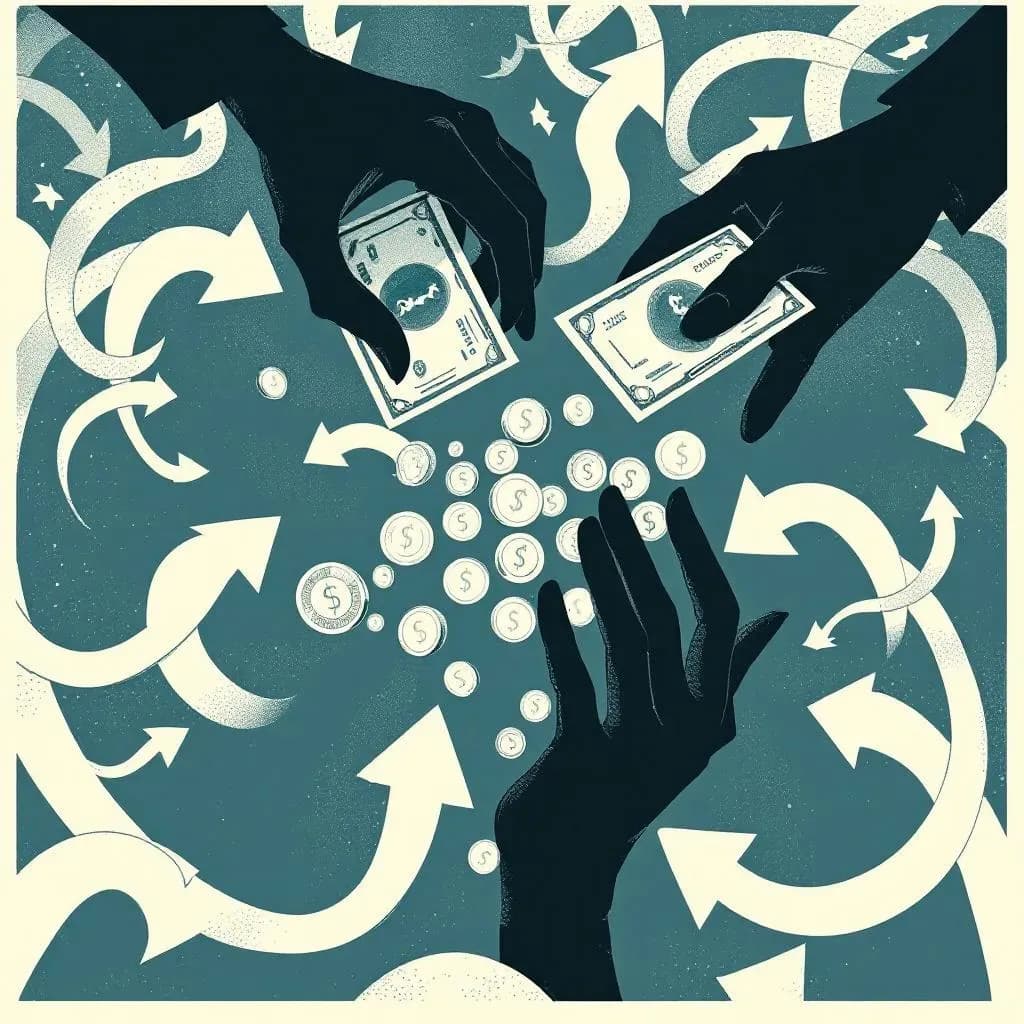
The Cum-Ex scandal refers to an extensive cross-border tax fraud scheme in which financial actors used very short-lived share transactions around the dividend payment date to create an artificial basis for obtaining refunds of withholding tax on dividends several times over, even though the tax had been paid only once or not at all. The construction exploited the complexity of international tax systems and the time lag in the registration of share ownership.
Typically, shares were traded rapidly back and forth between different parties just before and after the dividend date, making it unclear who was actually the owner at the decisive moment. Several parties could then each present documentation that appeared to entitle them to a tax deduction or a refund of the same withholding tax.
The scandal was uncovered in several European countries, particularly Germany, where the loss to the public treasury was estimated at billions of euros. The case involved banks, lawyers and financial advisers who had built and marketed these constructions as legitimate tax optimisation.
Under Danish law, such conduct will typically be assessed as aggravated tax and duty evasion under the Danish Penal Code (straffeloven) § 289, where there is intentional evasion of substantial scope. Alternatively, the matter may be classified as fraud under straffeloven § 279, where the focus is on the misleading presentation made to the tax authorities in order to obtain an unwarranted refund. In Denmark, tax liability and the procedures for dividend tax are governed by the Withholding Tax Act (kildeskatteloven), while the rules on the tax authorities' powers of control are found in the Tax Control Act (skattekontrolloven). Although 'Cum-Ex' is not a separate statutory category of offence in Danish law, the existing provisions on tax fraud and fraud clearly cover this type of manipulation.