Criminal Justice
The procedural rules governing criminal cases from investigation to final appeal
Criminal Justice (strafferetspleje) is the branch of procedural law that governs how criminal cases are handled — that is, the rules and procedures that authorities and courts must follow from the moment a case is investigated until judgment is delivered and any appeal has been exhausted. The term corresponds to the English 'criminal procedure' and therefore does not concern the substantive rules of the penal code on what is punishable, but rather the method by which criminal cases proceed.
Under Danish law, criminal procedure is primarily set out in the Danish Administration of Justice Act (retsplejeloven), which lays down the rules for police investigation, the prosecution service's decision to bring charges, the courts' handling of the case, and the rights of the parties along the way. The Danish Constitution (grundloven) expressly mentions criminal procedure in § 65(2), underlining the concept's constitutional anchoring and its significance for fundamental legal safeguards.
In a true crime context, criminal procedure is essential for understanding whether a case has been conducted correctly. Cases of wrongful convictions — where innocent people have been found guilty — often rest on breaches of, or weaknesses in, the procedural framework: inadequate investigation, disregarded rules of evidence, or deficient legal representation. Criminal procedure is, in theory, what is meant to secure a fair trial.
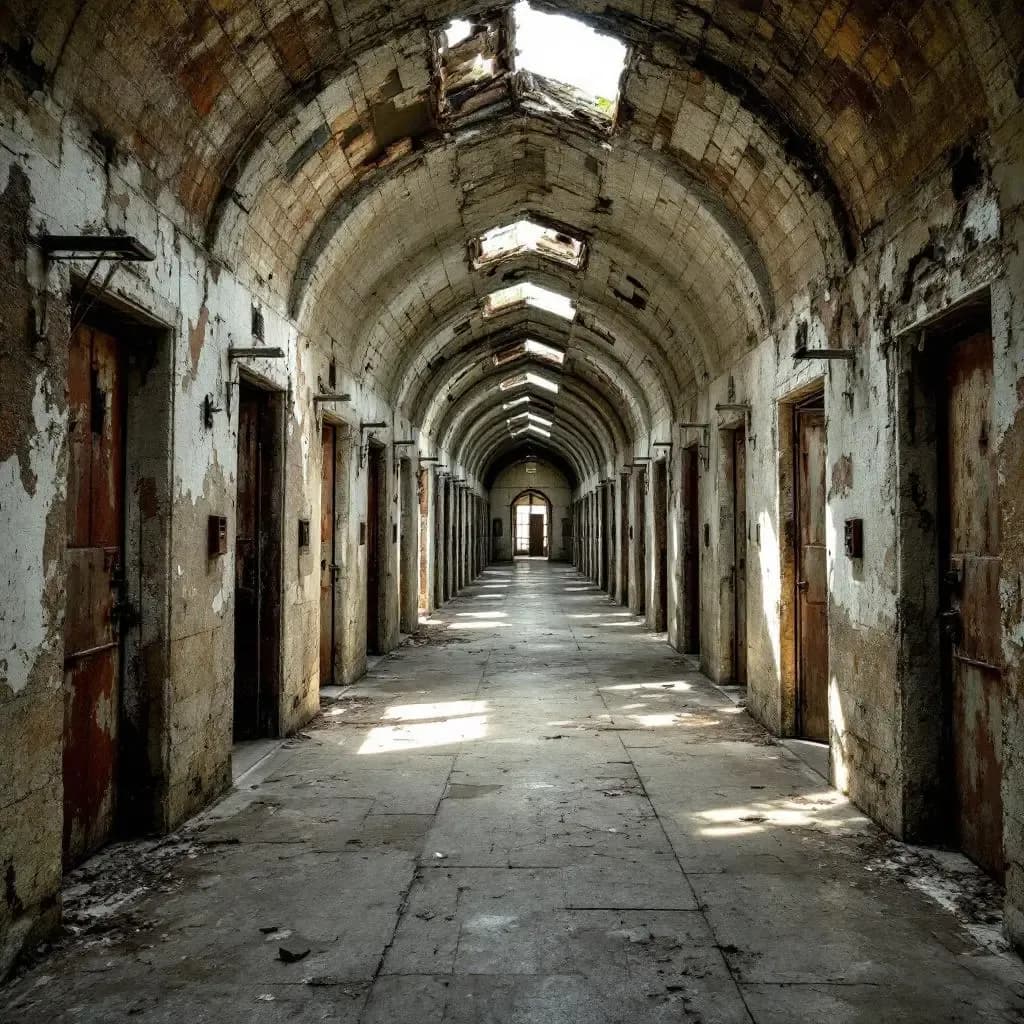
Historically, criminal procedure in many countries — including the United States, as illustrated in articles on, for example, Al Capone and Eastern State Penitentiary — has been the subject of major reforms precisely as a consequence of documented systemic failures. Procedural rules have not always protected the accused sufficiently, and power, corruption, or political pressure have in specific cases shifted the balance between effective prosecution and legal certainty. Understanding criminal procedure is therefore central to any analysis of criminal cases: it tells not only what happened, but whether it happened according to the rules — and what the consequences are when it does not.