Biotech
Science's dual role in crime and investigation
What is biotechnology, and how does it shape true crime? From DNA evidence convicting murderers to the threat of bioterrorism – understand the technology behind future cases.
Science's dual role in crime and investigation
From criminal to investigative tool: Biotechnology's role
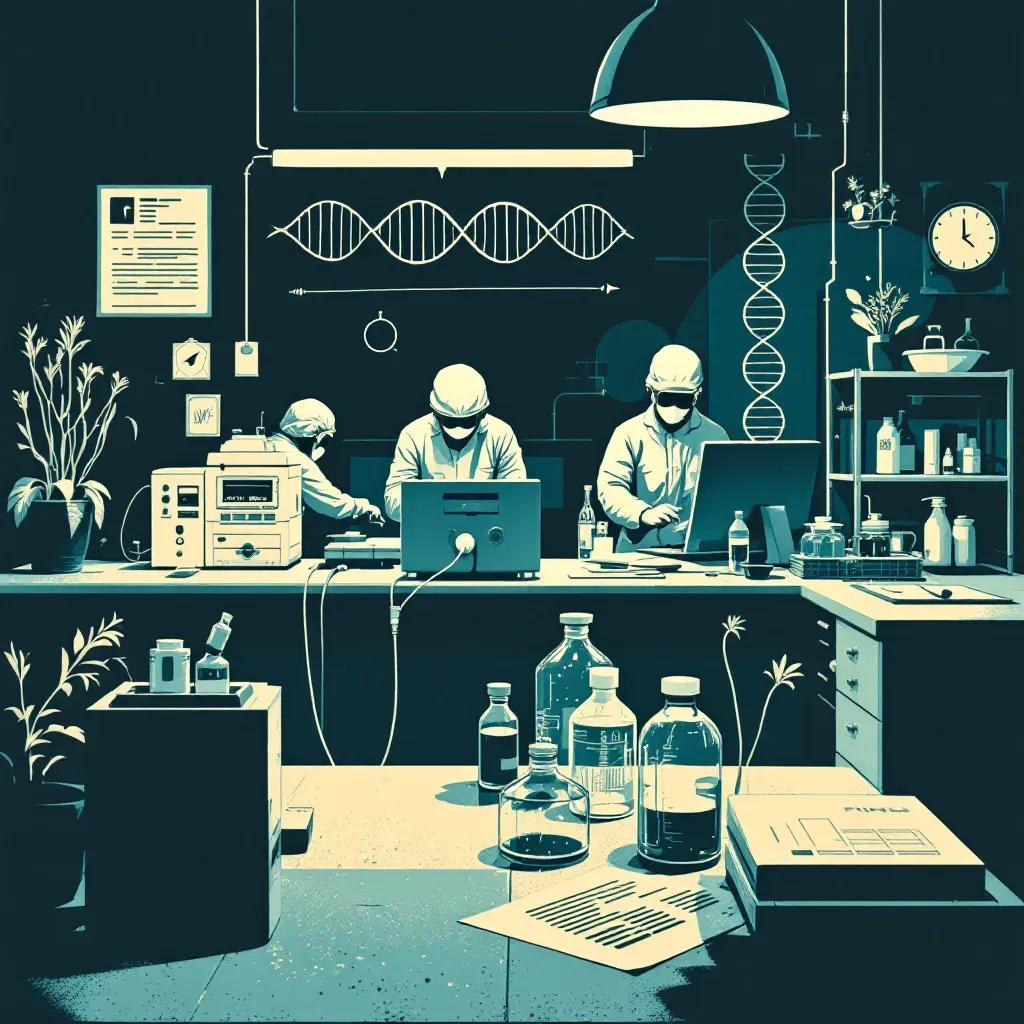
Biotechnology, often shortened to biotech, in a true crime context, refers to the scientific branch where biological systems, living organisms, or their derivatives are not only used for beneficial purposes but are also exploited as tools for or targets in criminal acts. At the same time, biotechnology is a central component in modern forensics and crime solving. This technology, ranging widely from genetic manipulation to the development of complex biological substances, opens doors for both groundbreaking investigative methods and new, sophisticated forms of crime, making it highly relevant for understanding contemporary crime patterns.
From bioterror to DNA: Biotechnology's role today
On one hand, the misuse of biotechnology poses a serious threat when employed in criminal enterprises. This can include the illegal production of synthetic drugs, the development and dissemination of biological weapons or dangerous pathogens – a practice that can escalate to bioterrorism – as well as illicit trafficking in genetic material or stolen biotechnological inventions. Such acts can have far-reaching and catastrophic consequences, and the perpetrators often possess a high degree of specialized knowledge, significantly complicating investigations. On the other hand, biotechnology, particularly in forensic medicine and through methods like DNA analysis, has revolutionized police investigative work and the justice system. The ability to identify perpetrators or exonerate the innocent based on microscopic biological traces, thereby providing crucial DNA evidence, has fundamentally changed how crimes are solved. Furthermore, genetic genealogy has opened new avenues for solving even the most complex cold cases.
Future of biotechnology in true crime: New threats
Furthermore, understanding biotechnological processes can be crucial for uncovering motives or methods in cases where, for example, poisoning with specialized biological agents or toxins is suspected. Biotechnology's dual nature – as a potential weapon in the hands of criminals and an invaluable tool for investigators – underscores its growing importance within true crime. The constant technological development in this field continuously creates new opportunities and threats, ensuring that biotechnology will remain a central and dynamic element in both the perpetration and combating of crime in the future.
Curious about biotechnology? Explore cases ranging from solving crimes with DNA traces to complex bioterrorism. Dive into real-life cases – find our exciting cases below.