bereaved
Close relatives left behind by a death, with compensation rights under § 26 a
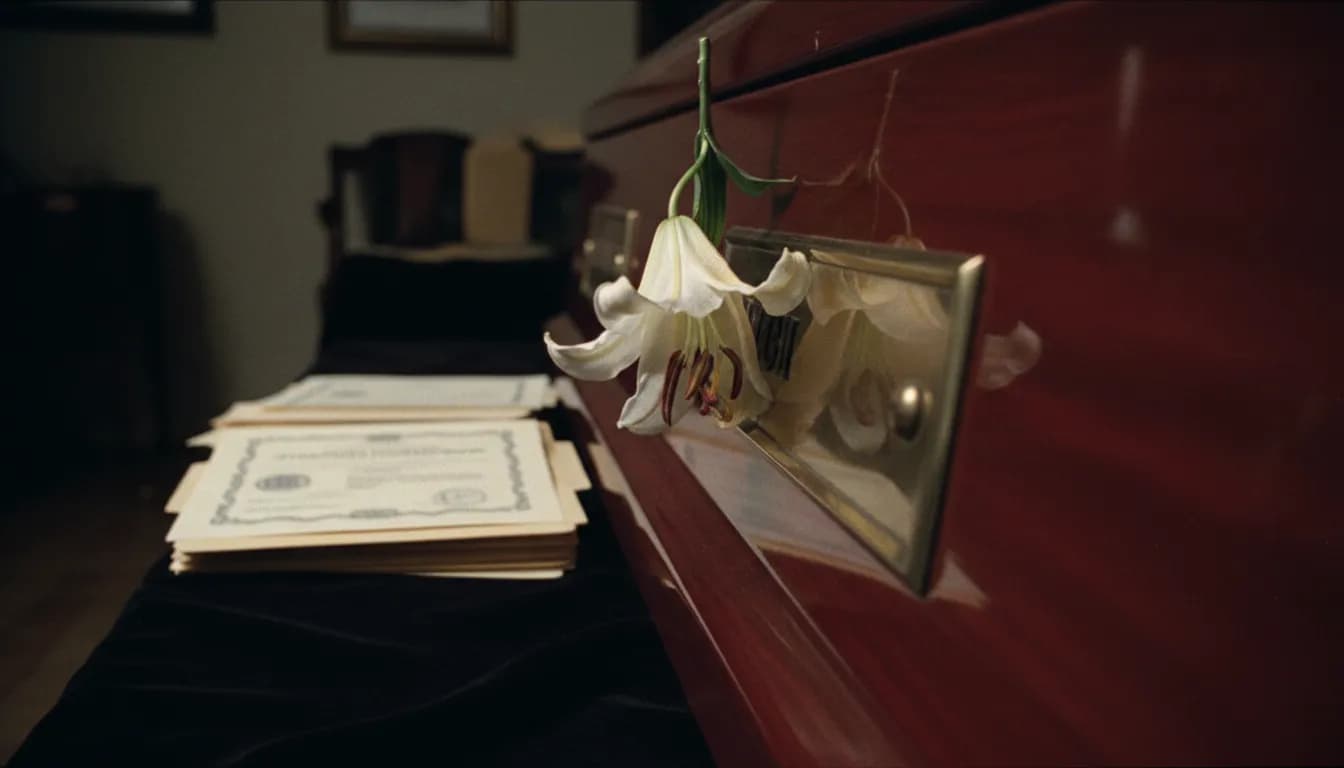
The bereaved are the close relatives a deceased person leaves behind, and the term is used in particular in criminal cases and homicide cases to describe the family members and close associates affected by the consequences of the death. Under Danish law there is no general legal definition of the term in the Administration of Justice Act (retsplejeloven), but it is used concretely in the Liability for Damages Act (erstatningsansvarsloven) with regard to the groups of persons who may bring claims in connection with another person's death.
In a true crime context, "bereaved" refers to the people who live on with the loss and with the questions left behind by a homicide case or an unsolved death. It may be a partner who finds their loved one killed, parents who lose a child, or children who grow up in the shadow of an unsolved crime. Their perspective features increasingly in crime journalism and podcasts, because the bereaved's experience of the justice system, the course of the investigation and the absence of answers is a central part of the human dimension of these cases.
The Liability for Damages Act § 26 a governs the right of the bereaved to compensation in the event of death. The provision allows the court to award compensation to bereaved persons who were particularly close to the deceased, where the death was caused intentionally or by gross negligence. The circle of entitled bereaved persons typically comprises a spouse or cohabiting partner, children and parents, but may in specific cases extend to others with a particularly close connection to the deceased.
In cases that are never solved, the bereaved find themselves in a particularly difficult situation. They have no perpetrator against whom to direct a civil claim for damages, and the criminal process, which normally offers structured opportunities for involvement, does not take place at all. This legal and human emptiness is a recurring theme in true crime formats that place the legal position and psychological reality of the bereaved at the centre.