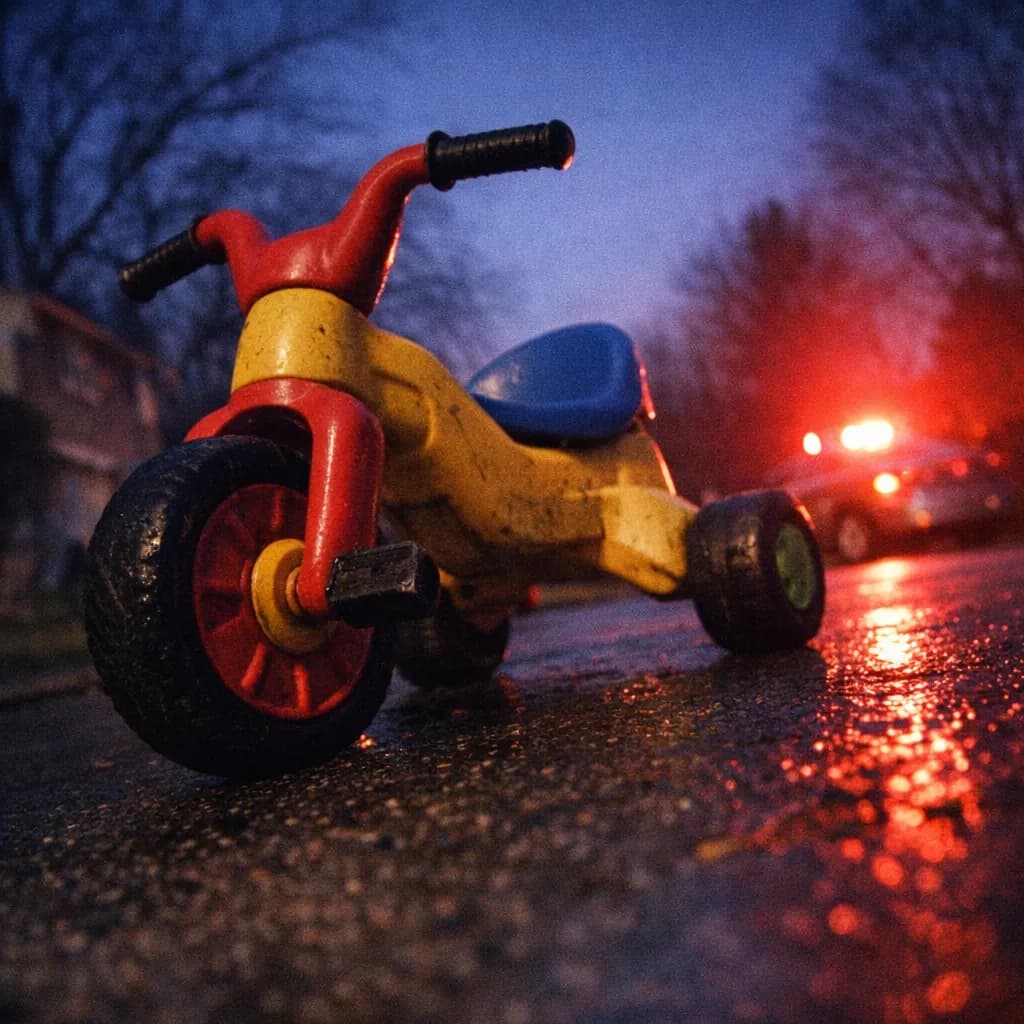
The Shots That Ripped Through the Silence of Johnsonville
In the small town of Johnsonville, South Carolina, where dense forests usually shroud daily life in a sleepy peace, the atmosphere was ripped asunder in 2025 by a sound no parent should ever hear. It was not the sound of play or a child's laughter that filled the air this fateful evening, but the cold, metallic cracks of a firearm. When the smoke cleared, 3-year-old Antonio Burgess lay lifeless, a victim of violence as senseless as it was inevitable.
The young child was struck by gunfire under circumstances that immediately sent shockwaves through the tight-knit community. Where the night before had been marked by the song of cicadas, it was now filled with the blue flashes of emergency vehicles, casting a cold, kaleidoscopic light over the crime scene. The tragedy of Antonio is not merely a story of crime; it is a narrative of a childhood stolen before it had even begun to bloom.
The Pursuit of Justice in the Shadow of Grief
The investigation was launched with an intensity that reflected the gravity of the case. South Carolina law enforcement worked under heavy pressure while the public demanded answers on how a three-year-old boy could end up as the target of a lethal bullet. It quickly became clear that the legal aftermath would be extensive, and shortly after the incident, the first charges were filed. The wheels of justice began to grind, but for the Burgess family, it was cold comfort in a time where every minute felt like an eternity of longing.
The case has garnered significant attention in American media, with programs like 48 Hours and Dateline NBC turning their lenses toward Johnsonville. Through in-depth journalism, these programs attempt to map the events leading up to the shooting and examine the systemic failures that often lie hidden behind individual tragedies. It is a complex case where questions of weapon possession, responsibility, and the personal consequences of violence stand at the center of the narrative.
The Human Behind the Headlines
When we discuss true crime cases, there is a tendency to get lost in statutes and police reports. But behind the name Antonio Burgess lies a child who had his whole life ahead of him. Witness accounts from the family paint a picture of a little boy who was the light of their lives, and whose absence now leaves a resounding void. This is where the true crime genre faces its greatest challenge: conveying the unbearable without falling into cheap sensationalism.