Shadows over the City of Angels
Beneath the relentless glare of the Californian sun and behind the glittering facade of Hollywood, a dark and consuming secret lay hidden for decades. In South Los Angeles, where the asphalt breathes the heat of the night and fates are woven into a dense web of hope and desperation, a hunter moved silently through the streets. Lonnie Franklin Jr. was not merely a man; he was the personification of the darkness that thrives when the world looks the other way.
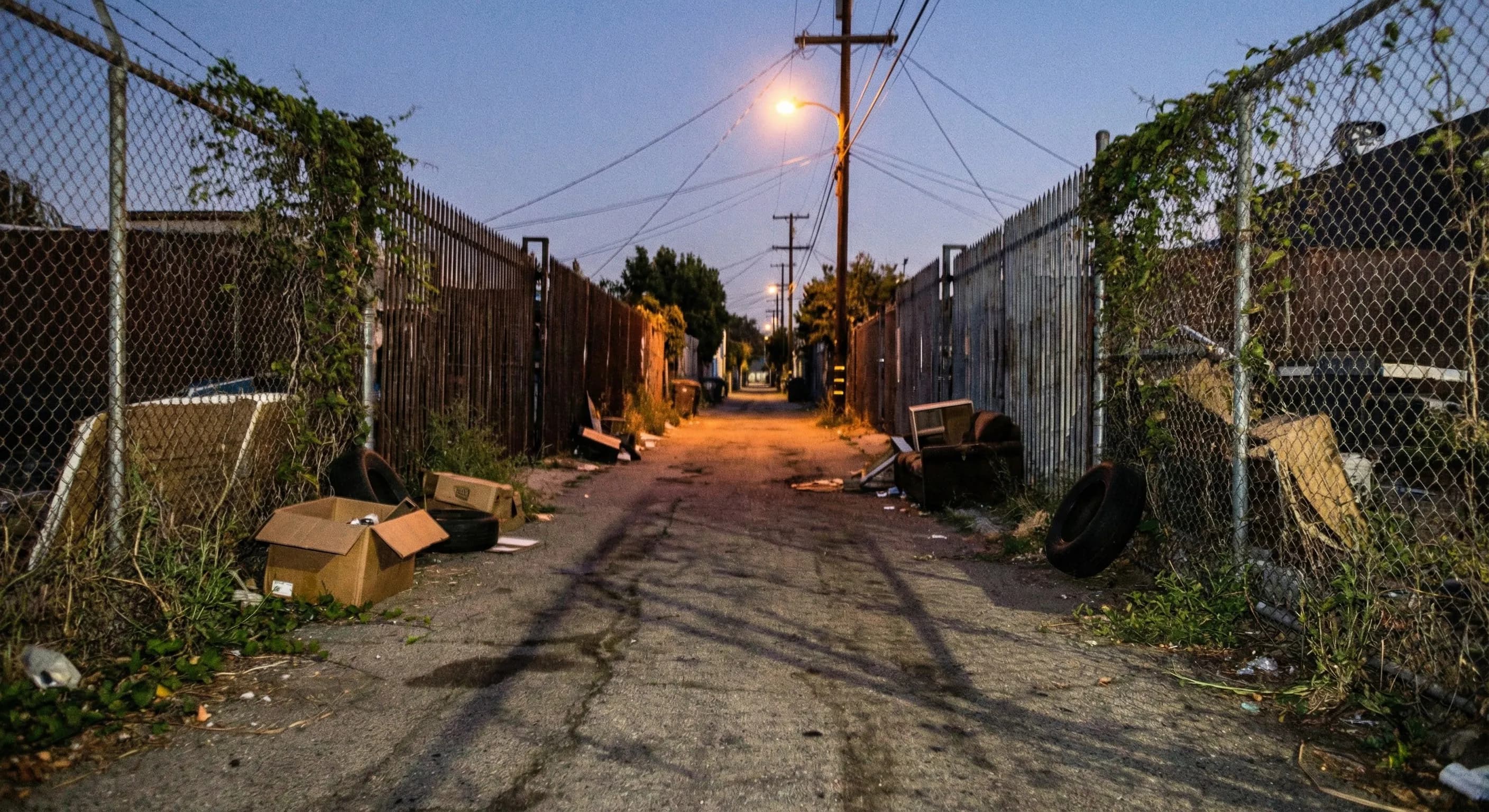
Through a kaleidoscopic lens of social inequality and systemic indifference, he managed to weave his bloody trail from the mid-1980s until 2007. His victims were the invisible—women whose voices were often stifled by society’s prejudices before they even had the chance to cry for help. It was here, in the dusty alleys behind 81st Street, that death found its resting place while the rest of the world celebrated the American Dream.
The Long Slumber and the Killer's Resurrection
What gave Lonnie Franklin Jr. the ominous moniker "The Grim Sleeper" was the enigmatic void in his murderous resume. Between 1988 and 2002, the horror seemed to take a pause—a fourteen-year slumber where the nights were weighed down by an inexplicable silence. But the silence was an illusion, a deception created by a man who managed to hide his true face behind the role of the helpful mechanic and the good neighbor.
Bullets flayed the stillness of the night when he returned to his brutal instincts in 2002, but the truth is that the darkness never truly left him. He exploited the crack epidemic as a smokescreen, and in the police archives, the cases gathered dust under the unofficial and cynical label NHI—No Humans Involved. This is where the true crime genre is often challenged; was Franklin a brilliant monster, or was he simply a product of a system that valued some lives more than others?
The DNA Thread and the Pizza Slice That Caught a Killer
The wheels of justice often turn slowly, but in Lonnie Franklin’s case, it was a modern technological stroke of genius that finally set the machinery in motion. When investigators utilized familial DNA searching, the needle suddenly pointed toward Franklin’s son, Christopher, whose profile was in the system following a weapons charge. This was the decisive breakthrough that led undercover officers to a local birthday party, where they monitored the killer with a hawk’s precision.
The scene where an officer, disguised as a waiter, collected a discarded pizza crust and a used napkin stands as one of the most dramatic moments in modern criminal history. It was in these mundane remnants of a meal that Franklin’s genetic signature was found, and the invisible man finally gained a face. On July 7, 2010, he was arrested in front of his home, surrounded by neighbors who for years had regarded him as a friend, oblivious to the hundreds of photographs of women he hid within his walls.
Tales of the Grim Sleeper: A Documentary Necessity
For those wishing to understand the depth of this tragedy, Nick Broomfield’s documentary Tales of the Grim Sleeper (2014) is essential viewing. The film moves away from the traditional police report and instead steps directly into the community that Franklin terrorized. Broomfield captures the complex human drama with a rawness that both provokes and moves, managing to give the victims back their humanity.
However, the documentary is not without its controversies; some critics have pointed out that its unedited portrayal of the environment borders on the voyeuristic. Yet, it is precisely in this uncompromising depiction of poverty and neglect that the work finds its strength. It challenges us to look at the social structures that allowed a serial killer to operate in the shadows for over twenty years. It is not just a tale of a murderer, but an indictment of collective silence.
Judgment Day and the Weight of a Legacy
When Lonnie Franklin Jr. finally stood before a judge in 2016, it was the culmination of a journey through grief, anger, and the search for answers. He was convicted of ten murders, but the shadows in his backyard suggest a much higher number, perhaps upwards of a hundred victims. His death in San Quentin Prison in 2020 put a period on his physical existence but left a wound in South Los Angeles that has yet to fully heal.
The case of The Grim Sleeper reminds us that true crime is not merely entertainment; it is a mirror reflecting our society’s darkest corners and a reminder of the lives we choose to overlook. Navigating these narratives requires a respectful and thoughtful approach, ensuring we do not just retell the horror, but also reflect on the human costs behind the headlines.
Listen to the podcast about The Grim Sleeper on Spotify or watch the documentary on HBO Max and follow TrueCrimeNews for more in-depth true crime analysis.