Danish Murder Investigation: Man Charged in Aarhus Apartment Death
Police seek witnesses after body discovered in April 2026; suspect remanded in custody under Danish law
Danish police have charged a 34-year-old man with murder after discovering a body in an apartment in Aarhus, Denmark's second-largest city, in April 2026.
The suspect was arrested following the discovery and subsequently remanded in custody (varetægtsfængslet), a standard measure in the Danish criminal justice system that allows authorities to hold defendants during investigation and prosecution phases. The charge carries serious weight under Danish penal code Section 237, which addresses intentional homicide and carries sentences ranging from four years to life imprisonment.
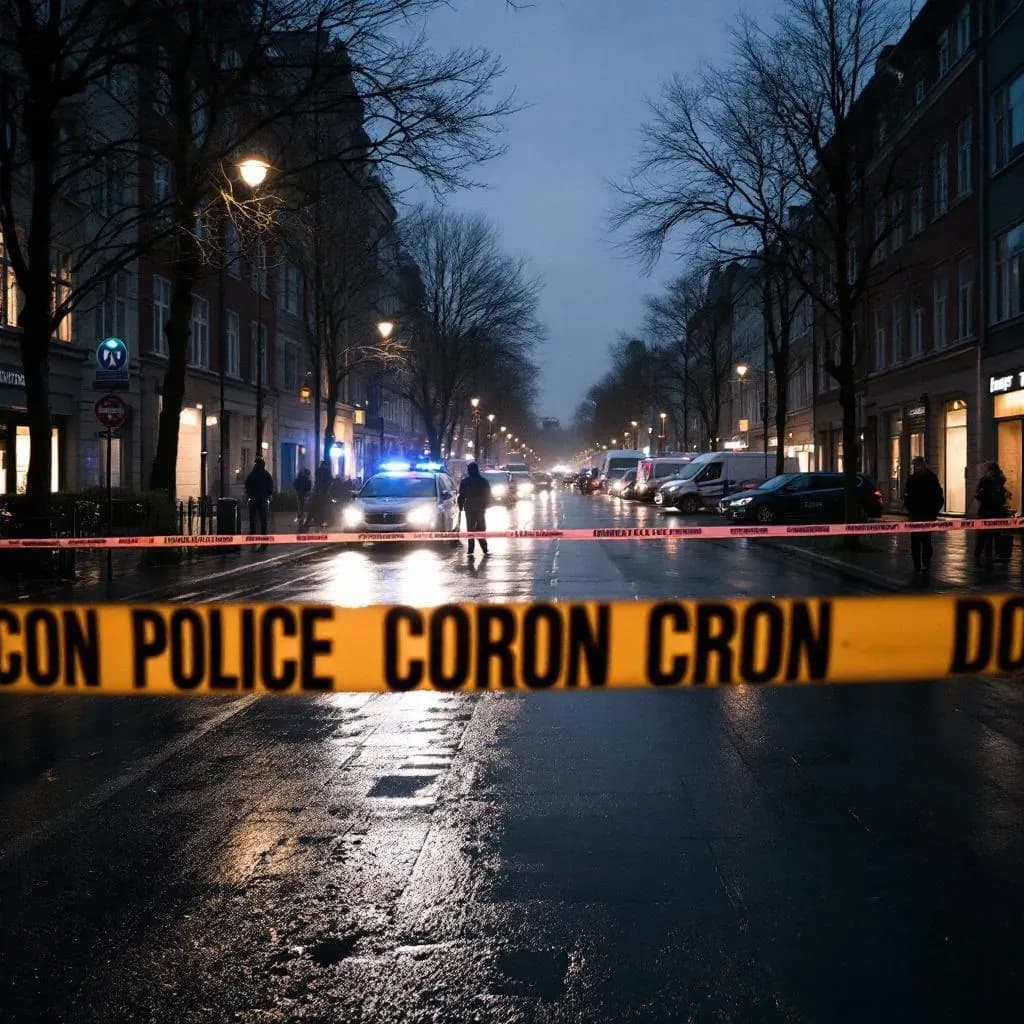
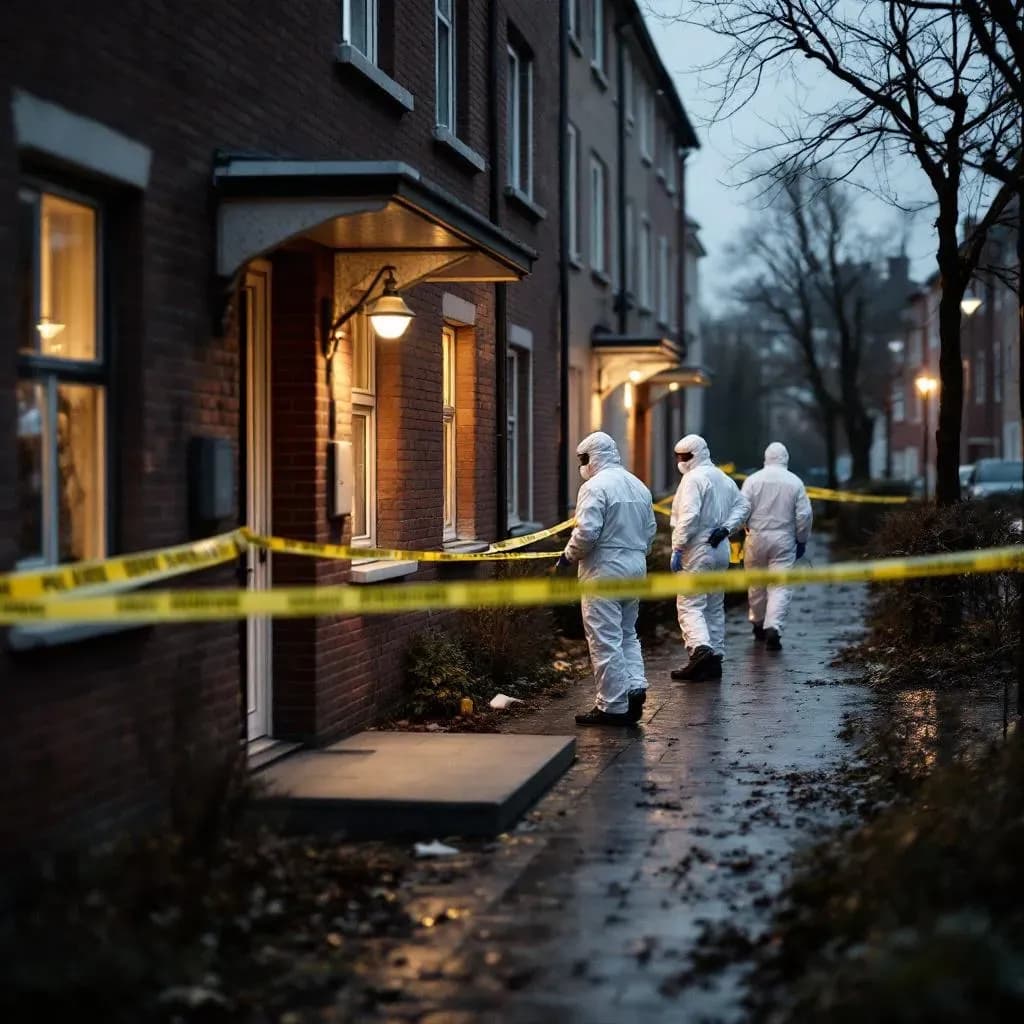
Police held a public press conference on April 5, 2026, to brief media and appeal for witnesses. At that point, investigators were still actively collecting forensic evidence and materials from the crime scene. The victim's identity has not been released to the public, a decision made by police investigators who are likely protecting the victim's family privacy during early investigation stages.
According to statements from the Aarhus Police, the suspect and victim knew each other prior to the incident—a detail that distinguishes this case from crimes involving strangers. However, authorities have disclosed no information about the motive or circumstances that led to the alleged killing.
The investigation highlights how Scandinavian law enforcement approaches homicide cases. The Danish system emphasizes thorough evidence collection and transparent public communication while simultaneously protecting sensitive information. The early press conference reflected police commitment to soliciting public assistance, a crucial investigative tool in cases where community information can prove decisive.
Police have publicly appealed for witnesses with knowledge of the case to come forward. Such appeals are standard in Danish criminal investigations and often prove invaluable, particularly in apartment complexes or urban neighborhoods where multiple residents may have observed suspicious activity.